


Cultivated, Not Manufactured: Biological Sophistication in the Future of Fashion
The future of fashion is undergoing a profound recalibration. Materials are no longer expected to be flawless, static, and endlessly reproducible. Instead, fashion is moving toward a model based on cultivation rather than manufacturing, where matter is grown, guided, and allowed to evolve. This shift defines one of the most relevant fashion trends emerging from contemporary trend forecasting: the rise of biological sophistication.
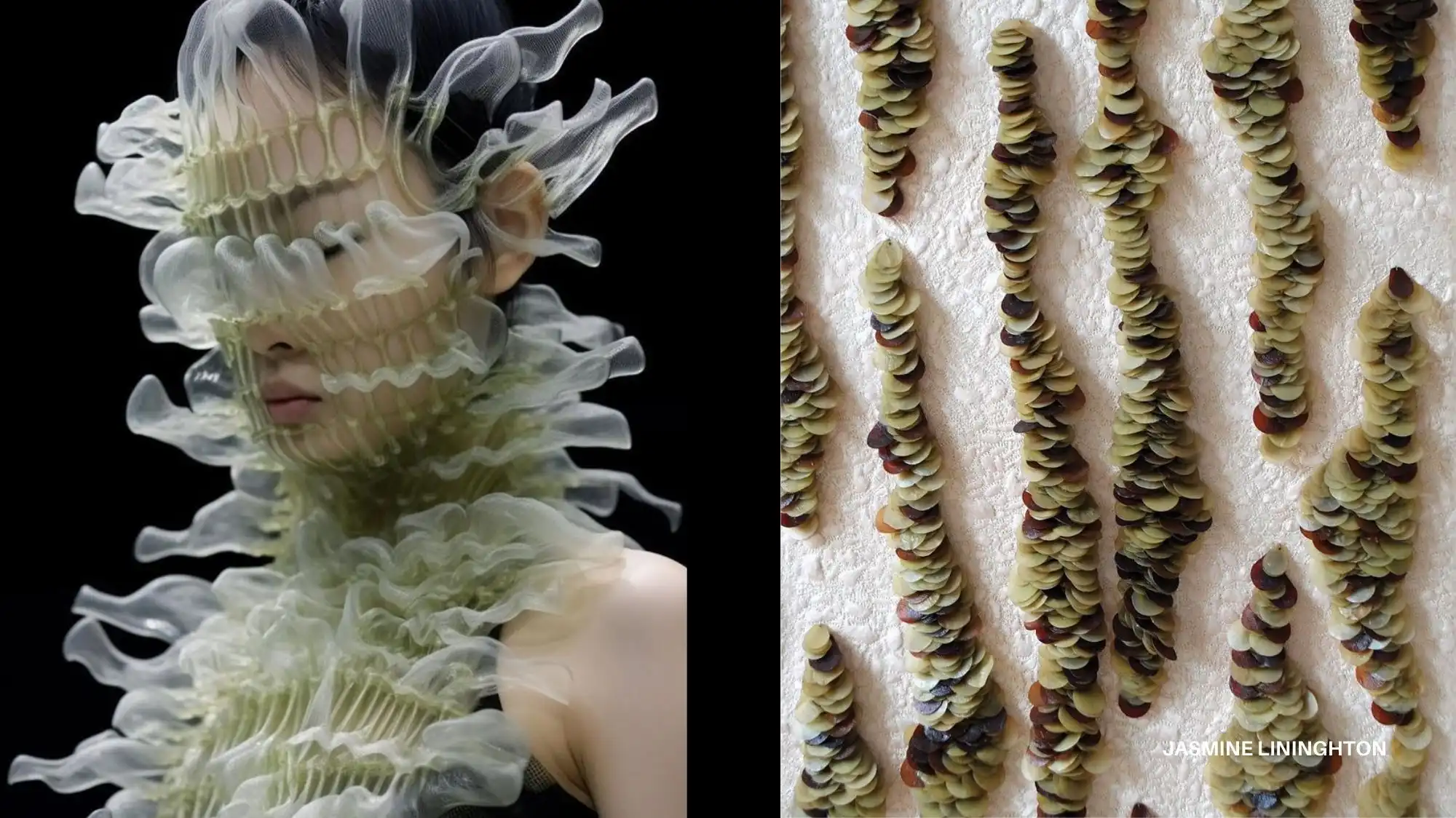
According to C2 Fashion Studio, this transition is not aesthetic experimentation. It is a structural response to environmental pressure, material scarcity, and a cultural demand for deeper value systems within fashion.
Cultivated materials as a new fashion paradigm
Growing materials instead of forcing them
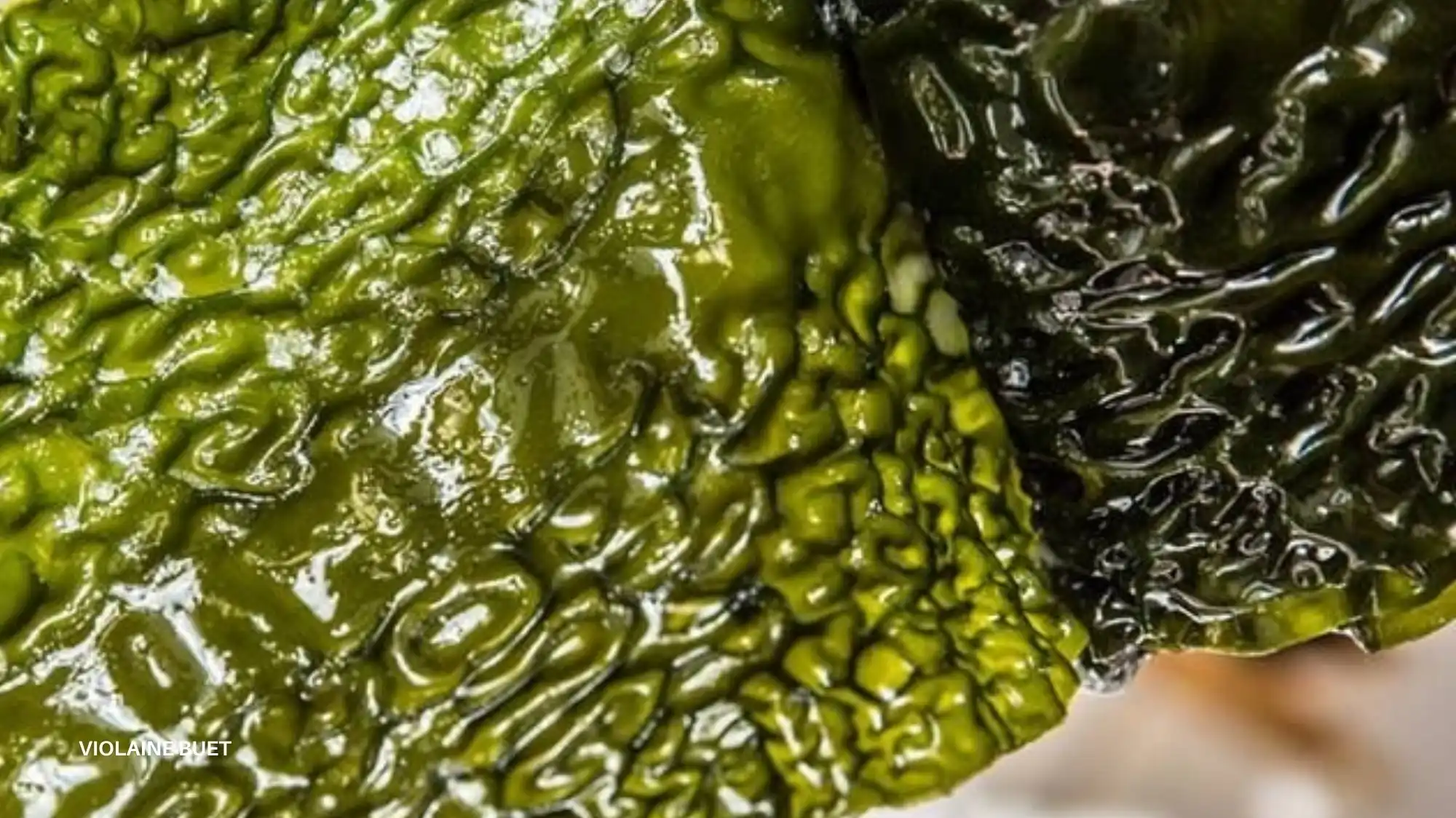
Cultivated materials are developed through biological processes rather than purely mechanical ones. Bio-fabricated cellulose, mycelium-based textiles, algae-derived fibers, and lab-grown skins are not forced into uniformity. They are nurtured over time, responding to temperature, humidity, and environmental conditions.
This introduces a fundamentally different relationship between designer and material. Instead of imposing control, fashion begins to collaborate with living systems. From a trend forecasting perspective, this marks a clear departure from industrial logic toward systems thinking—where resilience and adaptability replace speed and repetition.
From industrial control to biological collaboration
Why is manufacturing logic losing relevance?
For decades, manufacturing equated value with precision, predictability, and scale. Today, those same qualities are being questioned. Biological systems do not operate on command; they grow, adapt, and change.
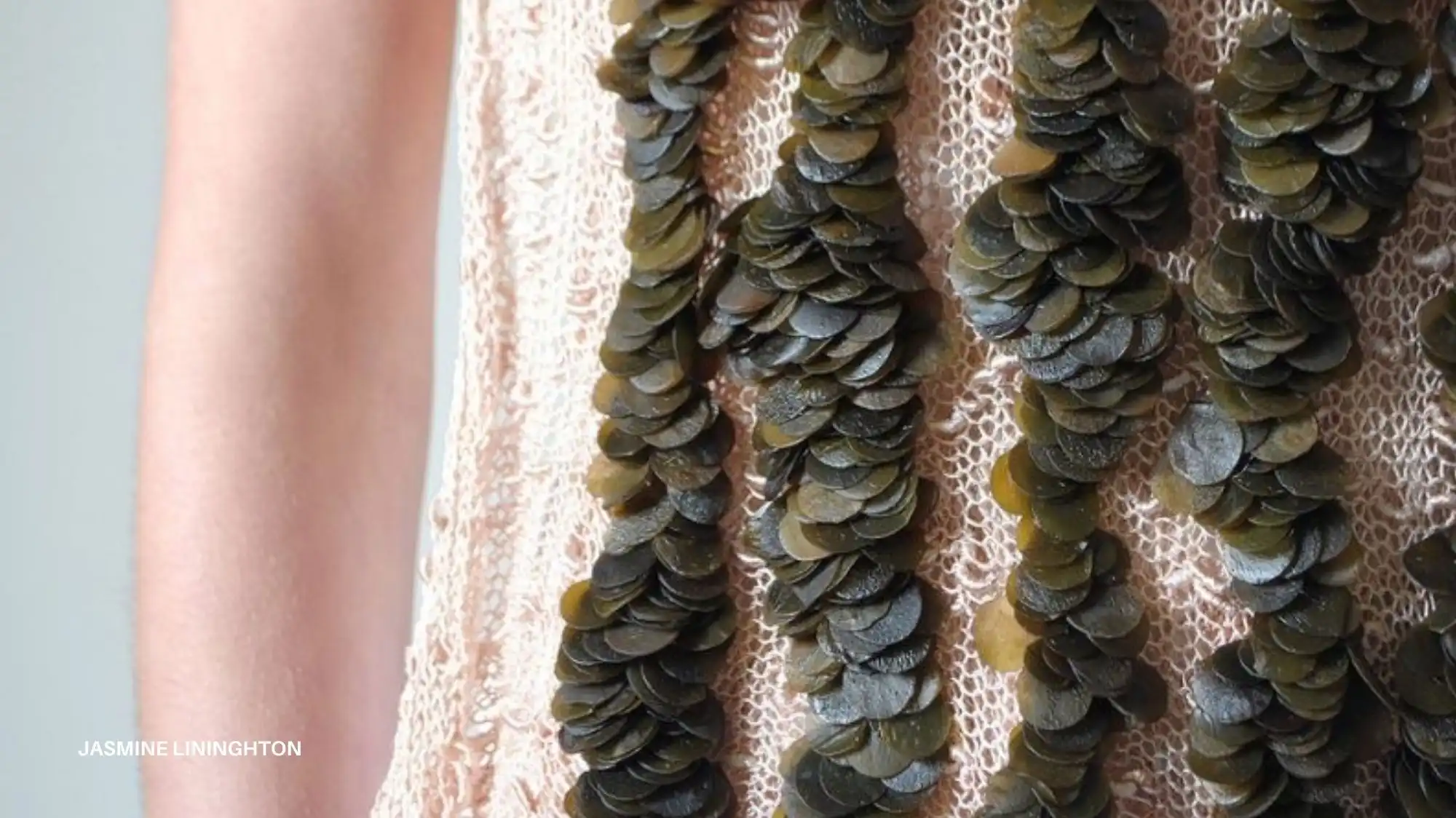
This shift replaces repetition with variation and sameness with difference. According to C2 Fashion Studio, biological collaboration introduces a new form of intelligence into fashion materials—one aligned with the realities shaping the future of fashion, including climate instability and supply-chain fragility.
When materials behave like living systems
Texture, time, and material intelligence
Cultivated materials behave differently from conventional textiles. They respond to wear, age through use, and evolve rather than degrade. Surfaces display micro-variations, tonal depth, and organic markings that cannot be perfectly replicated.
Why does this matter for fashion trends? Because consumers are increasingly drawn to materials that feel meaningful rather than manufactured. Materials that carry evidence of growth and time offer emotional depth, creating garments that feel lived with rather than consumed.
Is biological sophistication just another sustainability narrative?
Beyond sustainability toward regeneration
No. Sustainability aims to reduce harm. Biological sophistication aims to build systems capable of regeneration and adaptation.
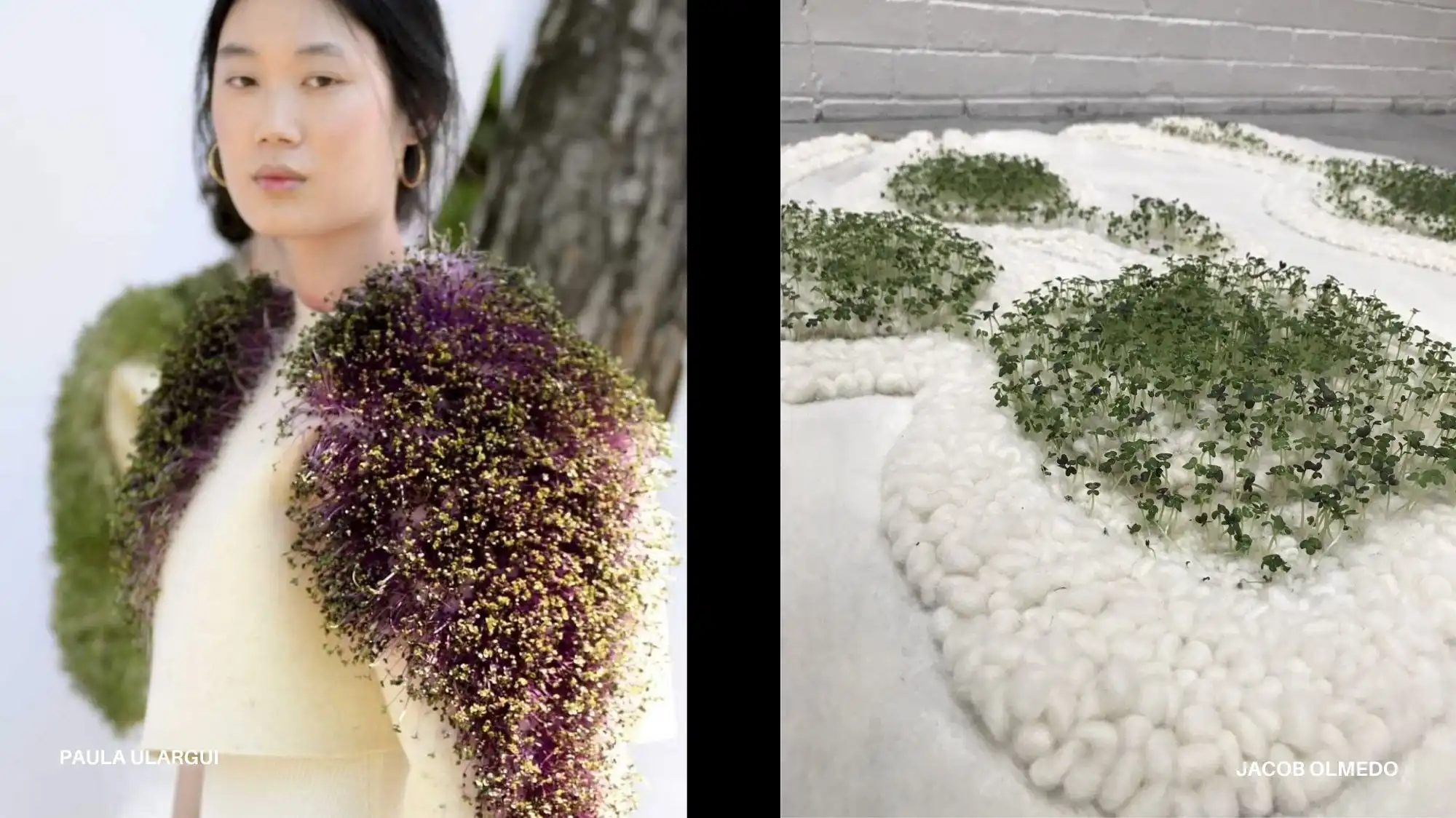
Cultivated materials require slower development cycles and longer timelines, challenging fast-fashion logic. From a trend intelligence standpoint, this is not ideological—it is strategic. As industrial systems fracture under pressure, biologically cultivated systems offer resilience through diversity and flexibility.
This is why biological sophistication is emerging as a long-term fashion trend, not a temporary sustainability phase.
Redefining luxury through cultivation
Why irregularity becomes a value signal?
Luxury is being redefined by this shift. Historically associated with flawlessness and control, luxury in the future of fashion is increasingly linked to time, care, and complexity.
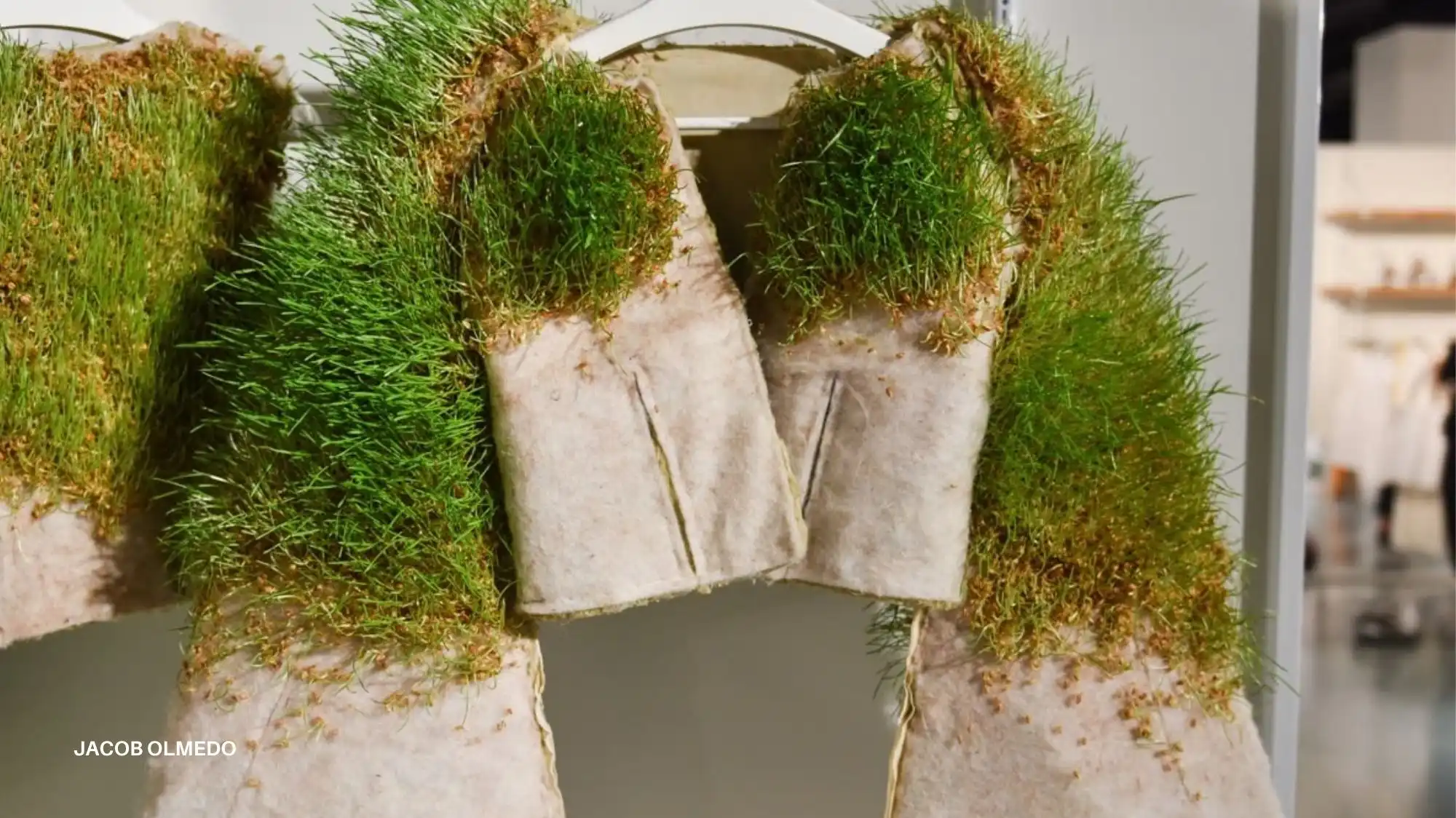
Cultivated materials make variation visible. No two surfaces are identical. Tonal shifts and organic irregularities become markers of authenticity and rarity. Uniformity now signals industrial production; variation signals value and intelligence.
How does this shift change fashion design?
Designing with living matter
Designing with cultivated materials requires a new creative mindset. Biological processes cannot be rushed or standardized without consequence. Patterns must adapt to material behavior, silhouettes respond to flexibility and growth, and finishing becomes an ongoing dialogue rather than a final command.
This approach expands creative intelligence rather than limiting it. It introduces systems thinking as a core design skill—essential for brands navigating future-facing fashion trends.
Biological sophistication as a long-term fashion direction
A foundational shift, not a momentary trend
Is “cultivated, not manufactured” a lasting shift? According to C2 Fashion Studio, the answer is unequivocal. Biological sophistication is becoming a foundational principle shaping material innovation, luxury perception, and design logic across the industry.
Fashion does not need more precision or speed.
It needs materials capable of living within complex systems.
The future of fashion will not be manufactured into existence.
It will be cultivated—through biology, intelligence, and time.
Views


Trend Forecasting Intelligence
C2 Trend Platform.
Structured trend forecasting for clarity, product direction, and collections aligned with future demand.
Trend Forecasting Intelligence