

Knitwear AW 2027/28 Trend Forecast: Strategic Intelligence for Contemporary Design
Knitwear for Autumn Winter 2027 2028 is not expanding, it is being recalibrated. The category moves into a more precise role within product development, where material decisions, construction logic, and layering systems define its relevance across collections.
The Knitwear Autumn Winter 2027 2028 Special Report, part of C2 Fashion Studio’s trend forecasting 2027 2028 and available exclusively on the C2 Trend Platform, is built to support this shift. Grounded in fashion trend forecasting and trend intelligence, it translates emerging signals into clear design directions, helping brands move from intuition to structured decision-making within knitwear development.
A More Controlled Approach to Knitwear Development
In the current phase of fashion trend forecasting, knitwear is no longer treated as a seasonal filler or purely comfort-driven category. It becomes a controlled design tool, capable of structuring silhouettes, stabilising collections, and supporting cross-category coherence.
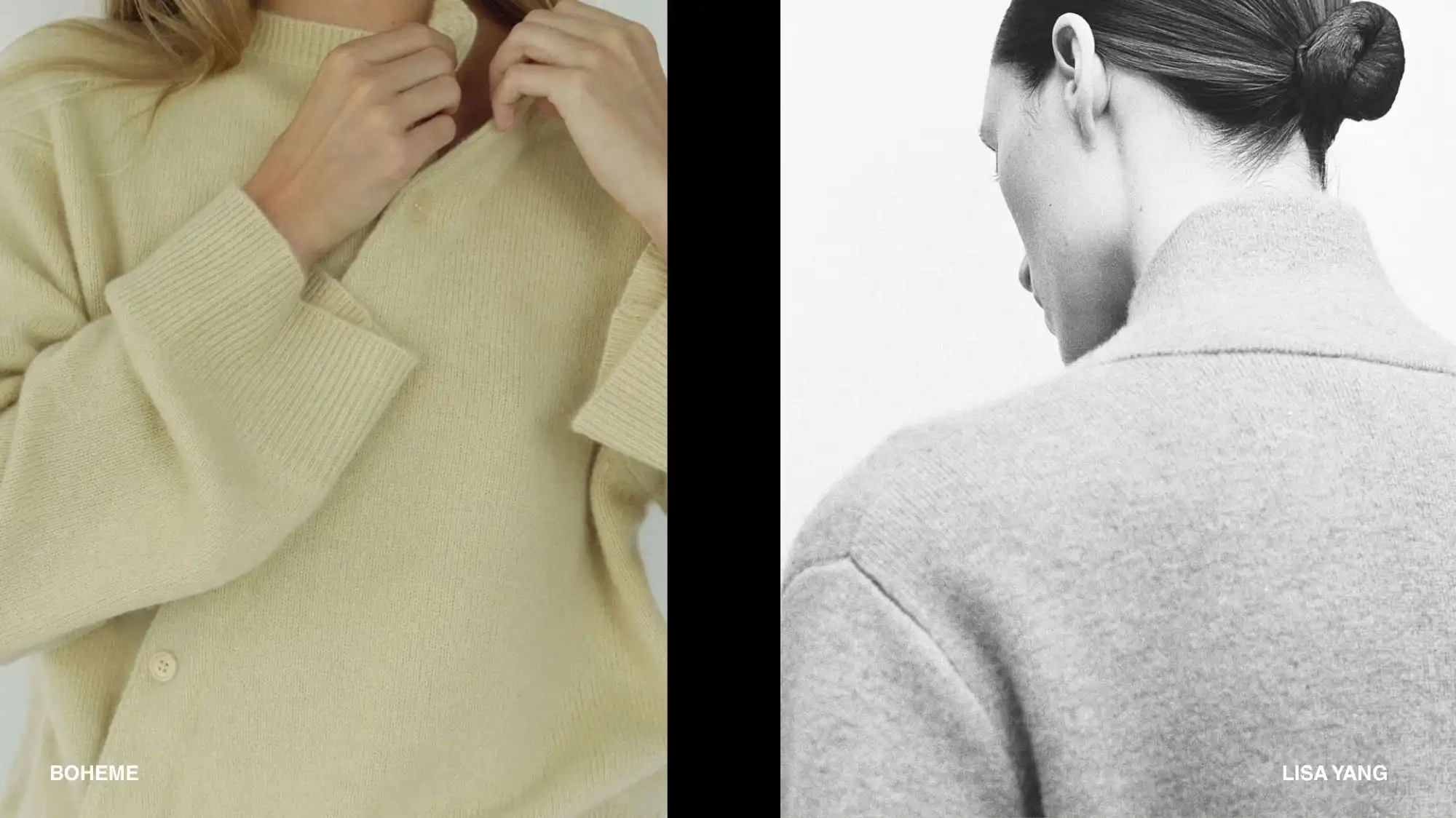
Rather than increasing complexity, the direction is toward reduction and precision. Shapes are refined, volumes are measured, and each element is designed to integrate seamlessly within a broader system. Knitwear operates with intention, supporting garments that transition easily across contexts without losing clarity.
This approach aligns with a wider demand for consistency and reliability in product design, where each piece must justify its role within the collection.
Material Intelligence Forecast as a Design Driver
The report highlights a shift toward material-led design, where yarn choice, surface quality, and construction techniques become central to the creative process.
From Surface to Structure
Knitwear is no longer defined by decoration or visual effect. Instead, emphasis is placed on density, tactility, and controlled finishes. Materials are selected for their ability to hold shape, adapt to movement, and maintain long-term performance.
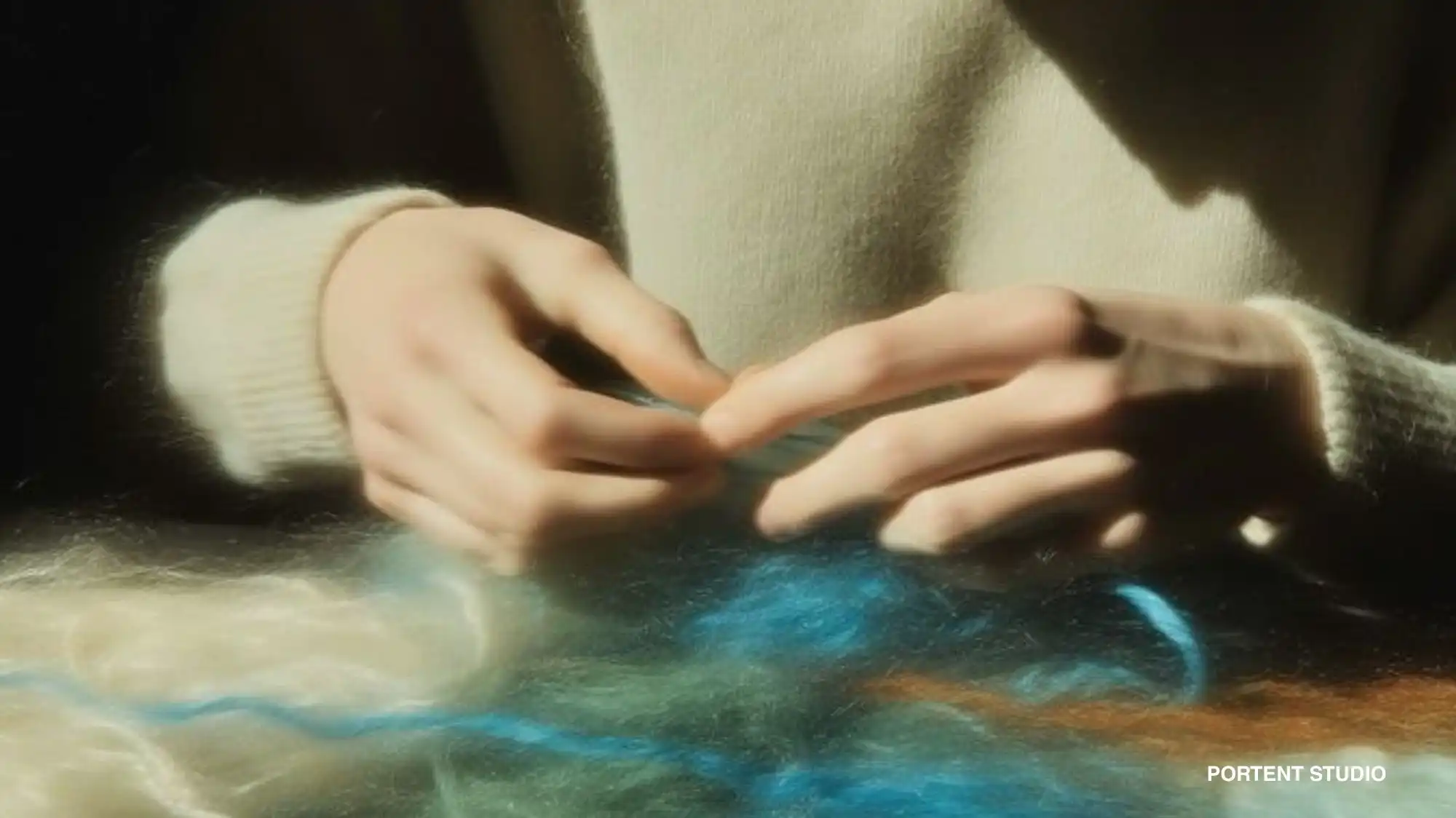
This results in garments that feel resolved and durable, rather than seasonal or trend-dependent. Texture is used with restraint, supporting clarity rather than distraction.
The outcome is a more mature knitwear language, where material quality and construction define value.
Knitwear as a System Within the Collection
One of the key evolutions outlined in the Knitwear Autumn Winter 2027 2028 Trend Forecast is the transition from isolated garments to integrated systems.
Knitwear supports layering strategies, connects different product categories, and creates continuity across the collection. It works in dialogue with tailoring, outerwear, and accessories, reinforcing a unified design direction.
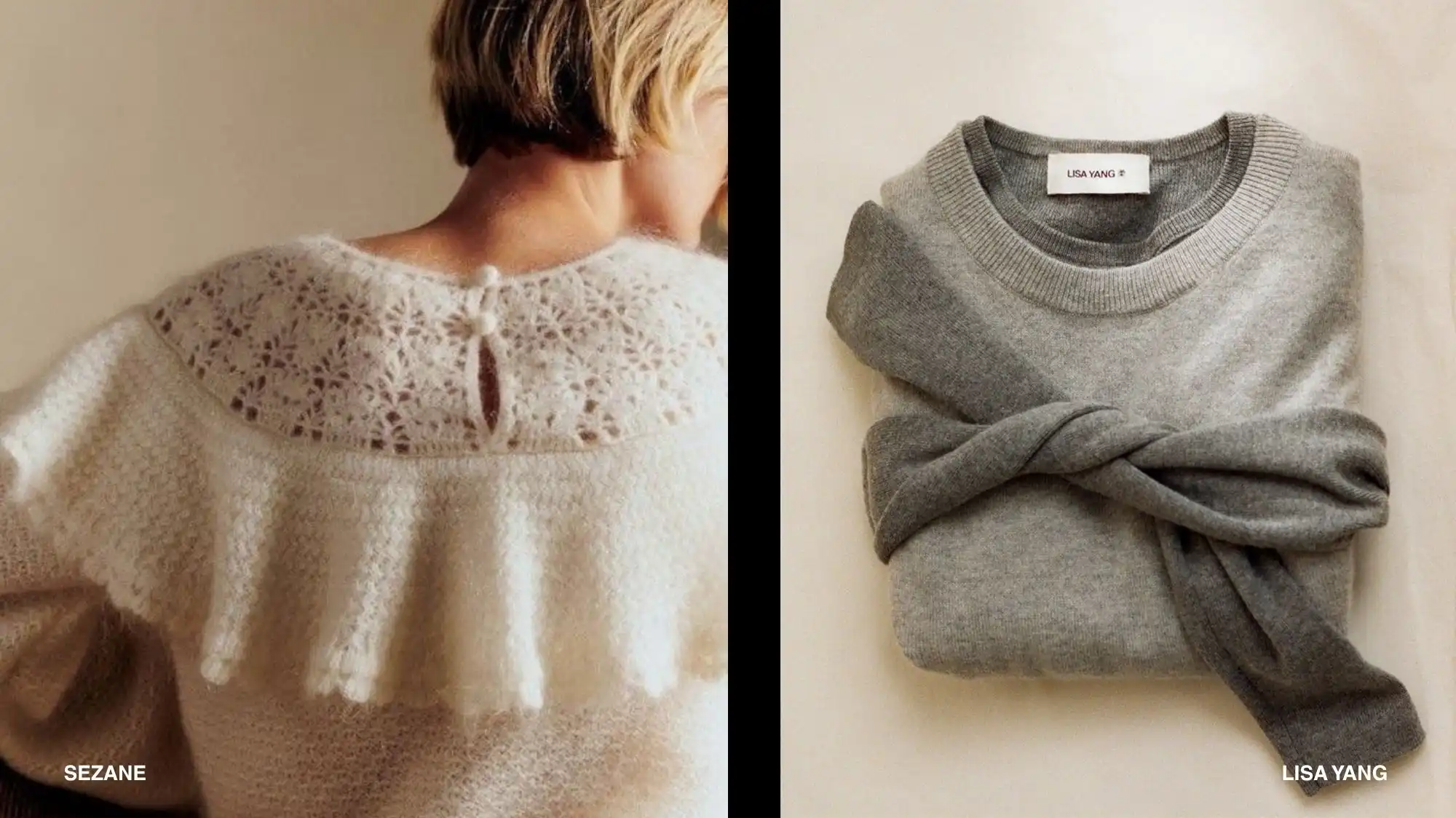
This systemic approach allows brands to build collections that are coherent, adaptable, and commercially relevant, without relying on excessive variation.
Why This Knitwear Trend Forecast Matters?
For brands and designers, the challenge is no longer identifying trends—it is understanding how to apply them effectively.
The C2 Fashion Studio Trend Forecasting methodology focuses on clarity. It provides tools and insights that enable teams to:
- Translate trend signals into product decisions
- Build structured and scalable collections
- Reduce design uncertainty
- Strengthen positioning through material and construction choices
The Knitwear Special Report is designed to support this process, offering a focused and applicable framework rather than generic inspiration.
Access the Knitwear Autumn Winter 2027 2028 Special Report
The full Knitwear Autumn Winter 2027 2028 Trend Forecast is available exclusively on the C2 Trend Platform.
Explore a complete analysis of knitwear directions, supported by material insights, design strategies, and product-focused applications developed to guide real-world decisions.
This is trend forecasting applied to product development, clear, structured, and ready to use.
Views


Trend Forecasting Intelligence
C2 Trend Platform.
Structured trend forecasting for clarity, product direction, and collections aligned with future demand.
Trend Forecasting Intelligence