

The Self-Preservation Era: Why Trends Are Becoming Tools for Emotional Comfort
Trend Forecasting Enters a New Emotional Paradigm
According to C2 Fashion Studio’s latest trend forecasting analysis, the fashion industry is undergoing a profound shift where trends are no longer dictating cultural behavior but instead serving as instruments of personal well-being and emotional regulation. This transformation marks the emergence of what industry experts call the “self-preservation era”—a period where comfort has become consumers’ primary emotional crutch, replacing the traditional mandate to follow fleeting fashion directives.
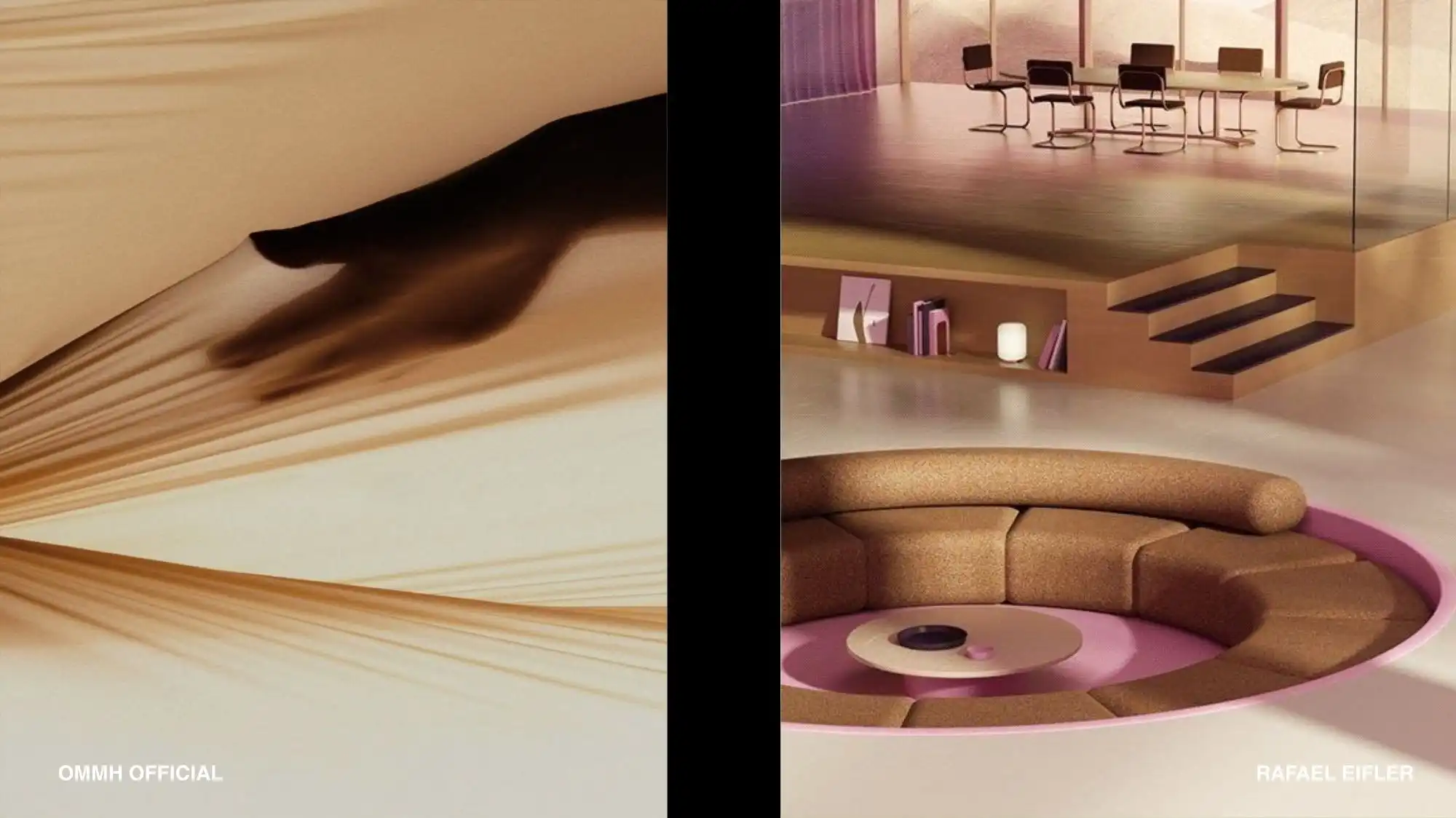
Pinterest’s 2026 trend predictions identified self-preservation, nonconformity, and escapism as the dominant forces shaping consumer behavior, with 88% of users actively seeking emotional comfort through their style choices. This represents a fundamental departure from the previous decade’s approach, where fashion trends functioned as cultural imperatives that consumers felt compelled to adopt.
“In the self-preservation era, trends no longer command, they comfort. Fashion has evolved from a cultural dictator into an emotional ally, where the most relevant forecasting isn’t about what people will wear but how clothing will make them feel. At C2 Fashion Studio, we’re witnessing the end of fashion as obligation and the beginning of fashion as emotional architecture.”
Cristina Capucci, Trend Forecaster & Cristina Director at C2 Fashion Studio
From Cultural Mandates to Personal Sanctuaries
Fashion trend forecasting has evolved beyond aesthetic prediction to become a lens into human psychology and behavioural patterns. The Sanctuary Spaces trend, highlighted by industry analysts, demonstrates how fashion now responds to collective fatigue, hyperconnectivity, and information overload by positioning clothing as a safe space—both physically and emotionally. Designers are creating collections that address deeper psychological needs, with marketing language emphasizing self-care, emotional well-being, protection, and belonging rather than status or novelty.

Research on personality-driven forecasting reveals that the Nurturer personality segment—which prioritizes care, comfort, and emotional wellbeing—remains stable at 25% of the population. In comparison, the Preservationist personality has grown from 22% to 29%, activated by change anxiety and cultural uncertainty. This shift explains why consumers increasingly reject micro-trends in favor of broader “vibes” that encompass entire lifestyles and emotional aesthetics.
The Science Behind Fashion as Emotional Regulation
Enclothed Cognition and Mental Health
The psychological concept of “enclothed cognition” demonstrates that clothing choices actively influence internal emotional states. Wearing comfortable, intentional pieces can reduce stress hormones, while structured garments may improve focus and motivation. Fashion therapists now recognize clothing as a legitimate tool for emotional regulation, with specific garments mapped to positive emotional memories and desired mental states.
Comfort as the New Standard
Fashion 2026-2028 prioritizes style without sacrifices, where comfort has transcended trend status to become a fundamental characteristic of contemporary clothing. Post-pandemic shifts toward hybrid work models and wellness-focused lifestyles have permanently altered consumer expectations, with relaxed silhouettes, soft fabrics, and multifunctional designs now defining the modern wardrobe. According to C2 Fashion Studio, this represents clothing as “living archives of culture and individual expression, designed to resonate deeply within an ever-evolving societal landscape”.
The Future: Emotional Fashion Over Aesthetic Mandates
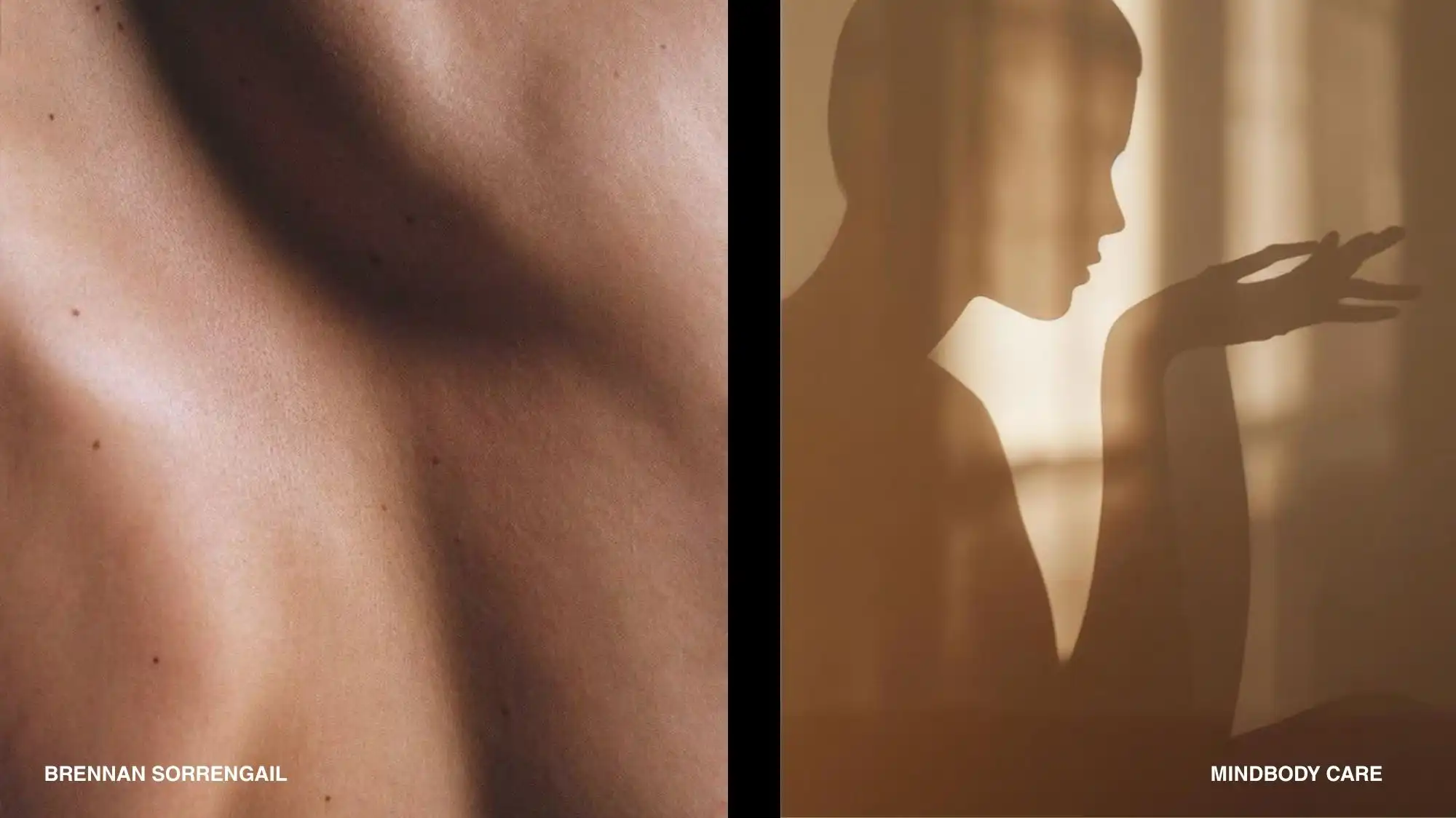
Industry forecasts for 2026-2028 emphasize “fashion as emotion,” with designers prioritizing movement, tactile materials, and how garments feel on the body rather than purely visual impact. This evolution transforms fashion from reactive consumption responding to external pressures into intentional dressing that serves as a resource for emotional wellbeing. According to C2 Fashion Studio’s trend forecasting research, consumers are increasingly drawn to garments that interact with the skin’s micro-sensations, creating subtle shifts in emotional state through material intelligence and adaptive construction.
The self-preservation era signals fashion’s maturation from cultural dictator to personal ally—a shift that recognizes emotional comfort not as a trend to follow, but as a fundamental human need that fashion can meaningfully serve.
Views


Trend Forecasting Intelligence
C2 Trend Platform.
Structured trend forecasting for clarity, product direction, and collections aligned with future demand.
Trend Forecasting Intelligence