

Sustainable Luxury 2030: Why ESG, Biodiversity and Traceability Are Becoming Status Symbols
Luxury is entering a new era. For decades, exclusivity was defined by rarity, craftsmanship, heritage, and price. By 2030, a new dimension is emerging: environmental accountability. As regulations tighten, biodiversity loss accelerates, and consumer expectations evolve, sustainability is no longer a supporting narrative. It is becoming a core indicator of prestige.

According to industry research, the future of luxury will be shaped by brands that successfully combine exceptional craftsmanship, transparent supply chains, biodiversity protection, and measurable ESG commitments. Today’s affluent consumers increasingly expect brands to demonstrate responsibility alongside desirability. In this context, traceability, regenerative sourcing, renewable energy adoption, and environmental stewardship are becoming powerful symbols of modern luxury.
For fashion, beauty, lifestyle, and luxury businesses, sustainability is no longer simply about reducing impact. It is about creating long-term value, resilience, and cultural relevance.
The Evolution of Luxury: From Exclusivity to Accountability
The luxury industry is projected to continue growing through 2028, despite economic uncertainty, geopolitical tensions, and shifting consumer expectations. According to the latest Trend Intelligence and Fashion Trend Forecasting research, the definition of value is changing.
Historically, luxury brands built their status through exceptional products, artisanal expertise, and scarcity. While these foundations remain essential, a new layer of prestige is emerging. Consumers increasingly evaluate brands based on their environmental commitments, ethical sourcing strategies, and long-term responsibility. This shift is becoming a key focus for Trend Forecasting Services, Trend Forecasting Solutions, and strategic decision-making across the luxury sector.
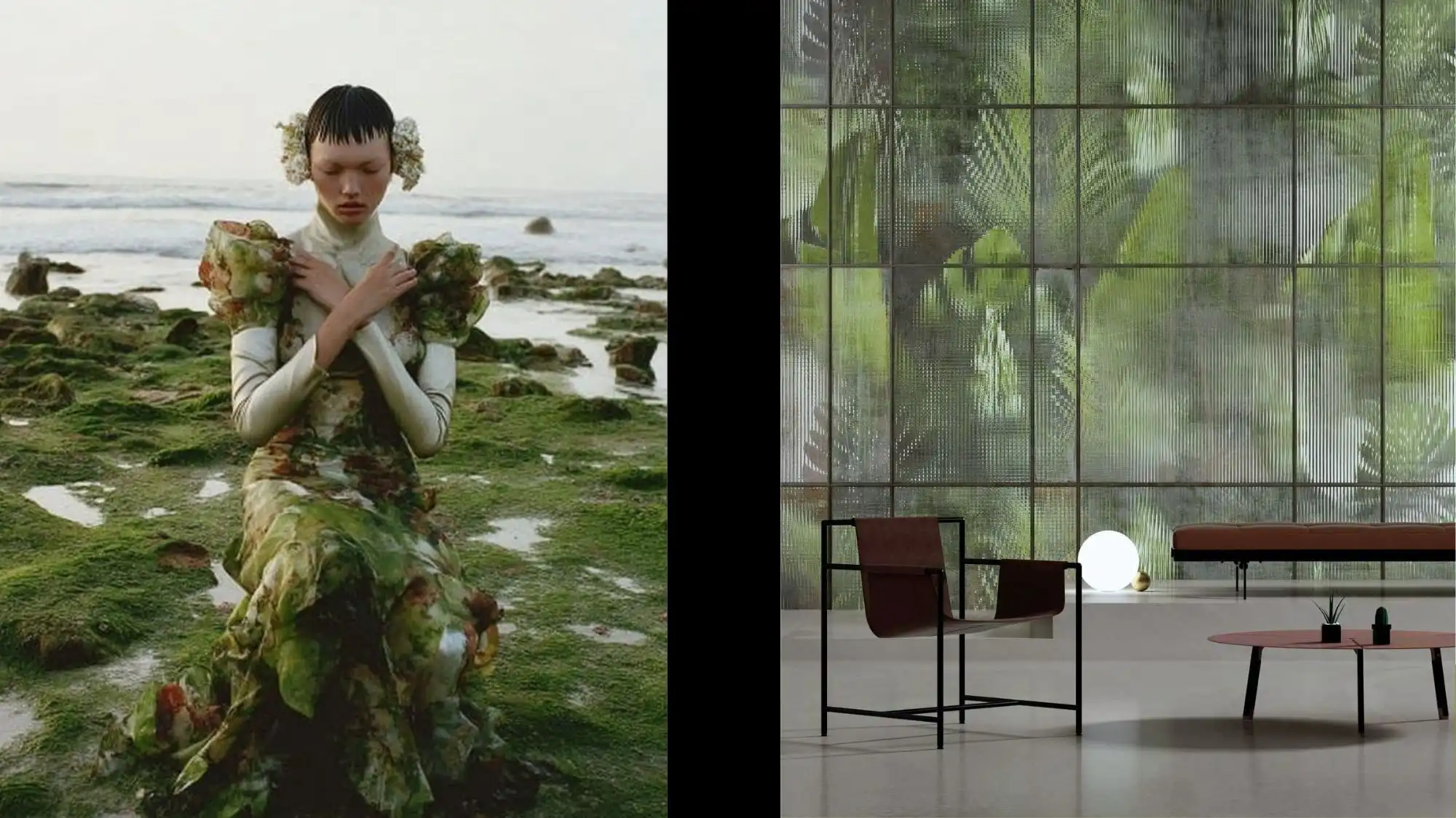
In many ways, sustainability is becoming a modern expression of quality. A product that can demonstrate transparent sourcing, reduced environmental impact, and respect for biodiversity is increasingly perceived as more valuable than one that cannot.
This shift is particularly relevant among younger affluent consumers, who are expected to represent the majority of luxury purchases by the end of the decade.
Why Biodiversity Is Becoming a Strategic Luxury Asset
The next frontier of sustainability extends beyond carbon reduction.
Biodiversity Protection Is Reshaping Supply Chains
Luxury fashion relies heavily on natural resources: cotton, wool, cashmere, silk, leather, wood-derived fibers, botanical ingredients, and precious materials. As biodiversity loss intensifies globally, luxury brands face growing pressure to understand and protect the ecosystems that support these resources.
Forward-thinking companies are investing in systems that monitor environmental impacts throughout the product value chain. These initiatives help brands prepare for future regulations while ensuring long-term access to critical raw materials.
Protecting biodiversity is rapidly becoming a business necessity rather than a voluntary sustainability initiative.
Regulatory Compliance Is Driving Change
The European Union’s Regulation on Deforestation-Free Products represents one example of how sustainability requirements are becoming embedded within global commerce.
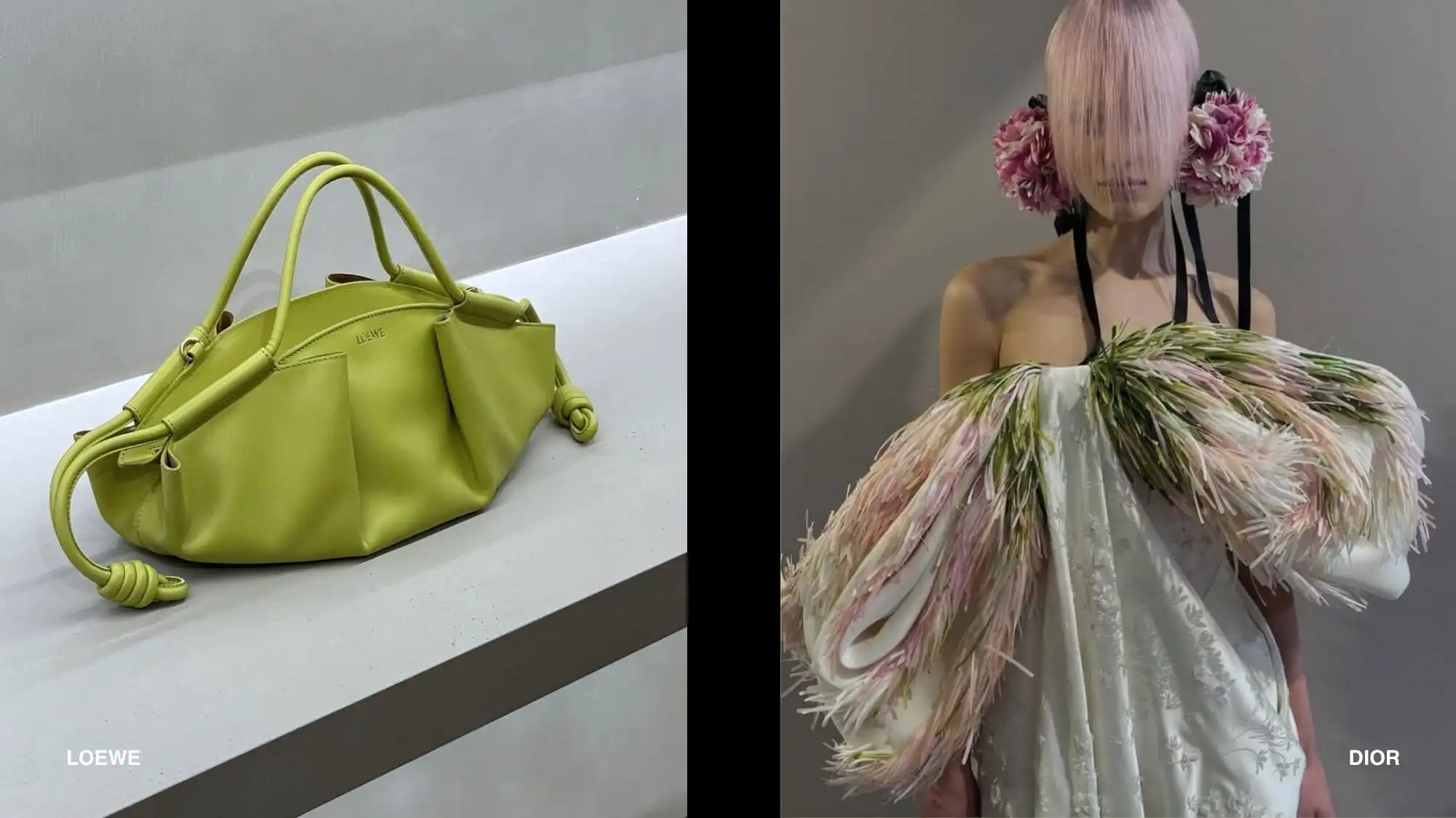
Luxury brands are increasingly expected to demonstrate that products are produced without contributing to deforestation or ecosystem degradation. As regulatory frameworks continue to evolve, brands that proactively build traceability systems and environmental governance structures will gain significant competitive advantages.
For luxury companies, compliance is becoming part of the value proposition itself.
Traceability: The New Language of Trust
Consumers Want Proof, Not Promises
The future luxury consumer is increasingly data-aware. Broad sustainability claims are losing effectiveness. Instead, consumers want evidence.
Traceability allows brands to verify where materials originate, how products are manufactured, and what environmental standards are maintained throughout production.
This growing demand for transparency is transforming traceability into a powerful storytelling tool. Rather than simply communicating values, brands can demonstrate them through verified information.
As a result, traceability is evolving into one of the strongest trust-building mechanisms available to luxury businesses.
ESG Performance Is Becoming Visible Luxury
Environmental, Social, and Governance (ESG) frameworks are no longer confined to annual reports.
Affluent consumers increasingly align their purchasing decisions with brands that demonstrate credible sustainability performance. Research also suggests that high-net-worth individuals show greater interest in ESG-related investments, particularly as wealth transfers to younger generations.
Luxury brands that integrate ESG principles into operations, sourcing, governance, and innovation strategies are positioning themselves for long-term relevance.
Companies such as Kering, Moncler, and other industry leaders are already investing heavily in measurable sustainability initiatives, renewable energy adoption, and supply chain transformation.
Sustainable Luxury as a Competitive Advantage
The most successful luxury brands of the next decade will not treat sustainability as a marketing campaign.
They will build sustainability directly into their business infrastructure, supply chains, product development processes, and innovation strategies.

Explore Sustainable Luxury Intelligence with C2 Fashion Studio
At C2 Fashion Studio, we help fashion, beauty, lifestyle, textile, accessory, and luxury brands navigate the future through strategic trend intelligence.
Founded by Cristina Capucci, C2 Fashion Studio is a leading Trend Forecasting agency specializing in Fashion Trend Forecasting, Trend Intelligence, Consumer Insights, Color Forecasting, Material Innovation, Sustainability Intelligence, and Future Market Analysis. Our multidisciplinary approach combines cultural research, technological developments, sustainability shifts, emerging consumer behaviors, and creative forecasting to transform complex signals into actionable business intelligence.
Through the C2 Trend Platform, subscribers gain access to:
- Fashion Trend Forecasting 18–24 months ahead
- Trend Forecasting Solutions for fashion and lifestyle industries
- Consumer and cultural intelligence reports
- Sustainability and material innovation insights
- Color Forecasts and seasonal directions
- Daily Trend Intelligence updates
- Strategic reports for product development and creative decision-making
- Fashion Trend Forecasting Services designed to support future-ready growth
As sustainability, biodiversity, traceability, and responsible innovation become defining pillars of luxury, understanding these shifts early is no longer optional—it is essential.
Explore the future of Sustainable Luxury and discover the latest Trend Forecasting Solutions on the C2 Trend Platform.
Register today and gain access to exclusive Fashion Trend Forecasting, Sustainability Intelligence, and Future Consumer insights designed to help your business anticipate change and lead with confidence.
Views


Trend Forecasting Intelligence
C2 Trend Platform.
Structured trend forecasting for clarity, product direction, and collections aligned with future demand.
Trend Forecasting Intelligence