

Creative Innovation for 2027 2028: Building a Symbiotic Future in Design and Lifestyle
Adaptive Materiality and Design Trend Forecasts for a New Cultural Era
Creative Innovation — the C2 language that defines how design and lifestyle evolve — is entering a decisive phase. For 2027 2028, it becomes the conceptual architecture through which materials, technologies, and cultural values merge to create a Symbiotic Future: a design paradigm where nature, science, and human intention no longer operate as separate domains but as co-authors of the same creative narrative.
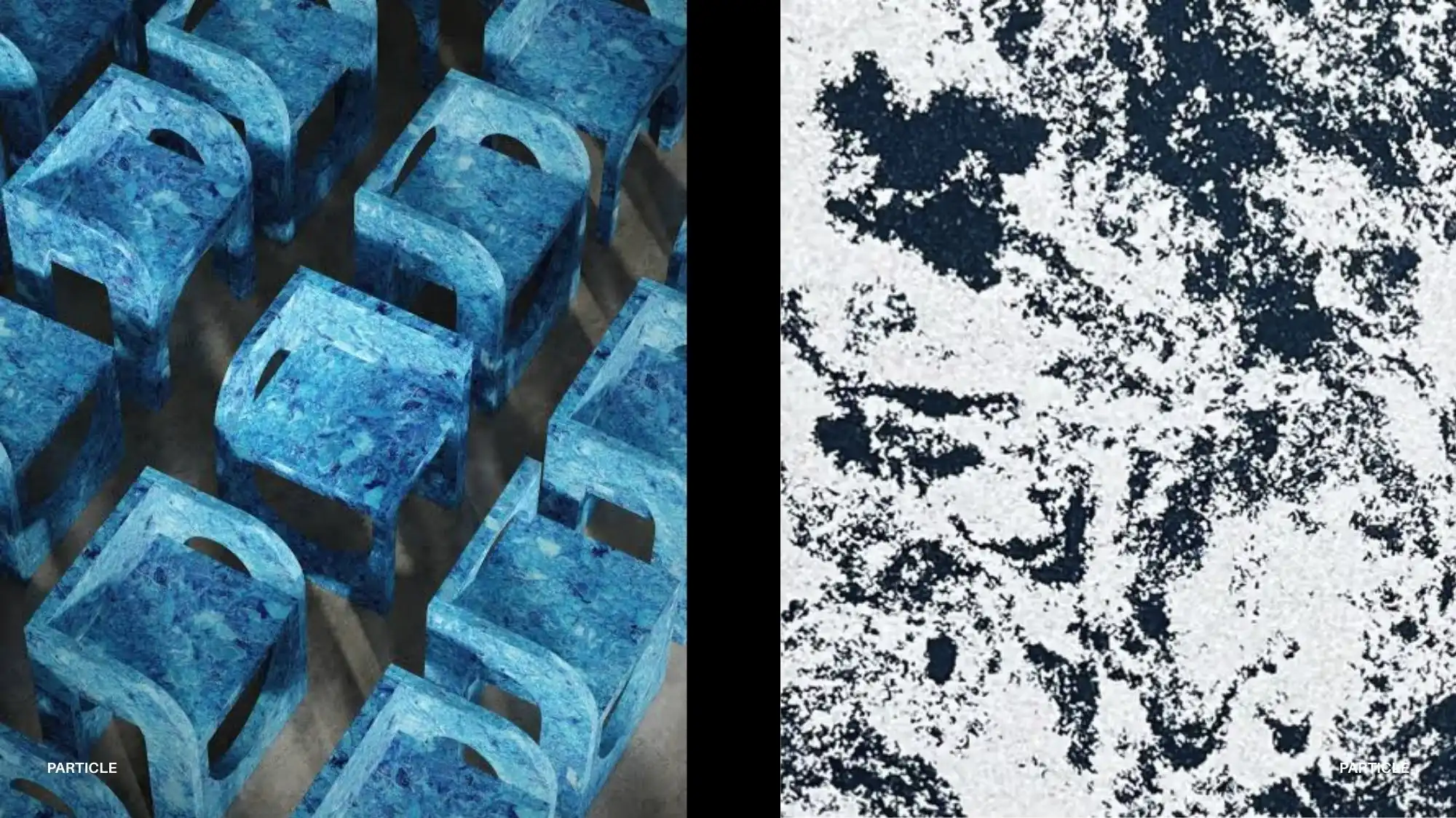
This perspective echoes the thinking of philosopher Vilém Flusser, who saw objects not as passive forms but as active mediators of meaning. In the landscape ahead, materials behave exactly like that: intelligent, performative, culturally expressive.
Regenerative Material Futures: Nature as Co-Designer in Trend Forecasting
One of the strongest directions emerging from Design Trend Forecasts is the rise of regenerative and bio-intelligent materials. These are not simply eco-friendly alternatives; they embody a deeper form of ecological intelligence.
Mycelium foams, agricultural-waste composites, seaweed-based polymers, and mineralized bioceramics reveal a new truth: innovation is no longer a linear progression — it’s a biological collaboration.
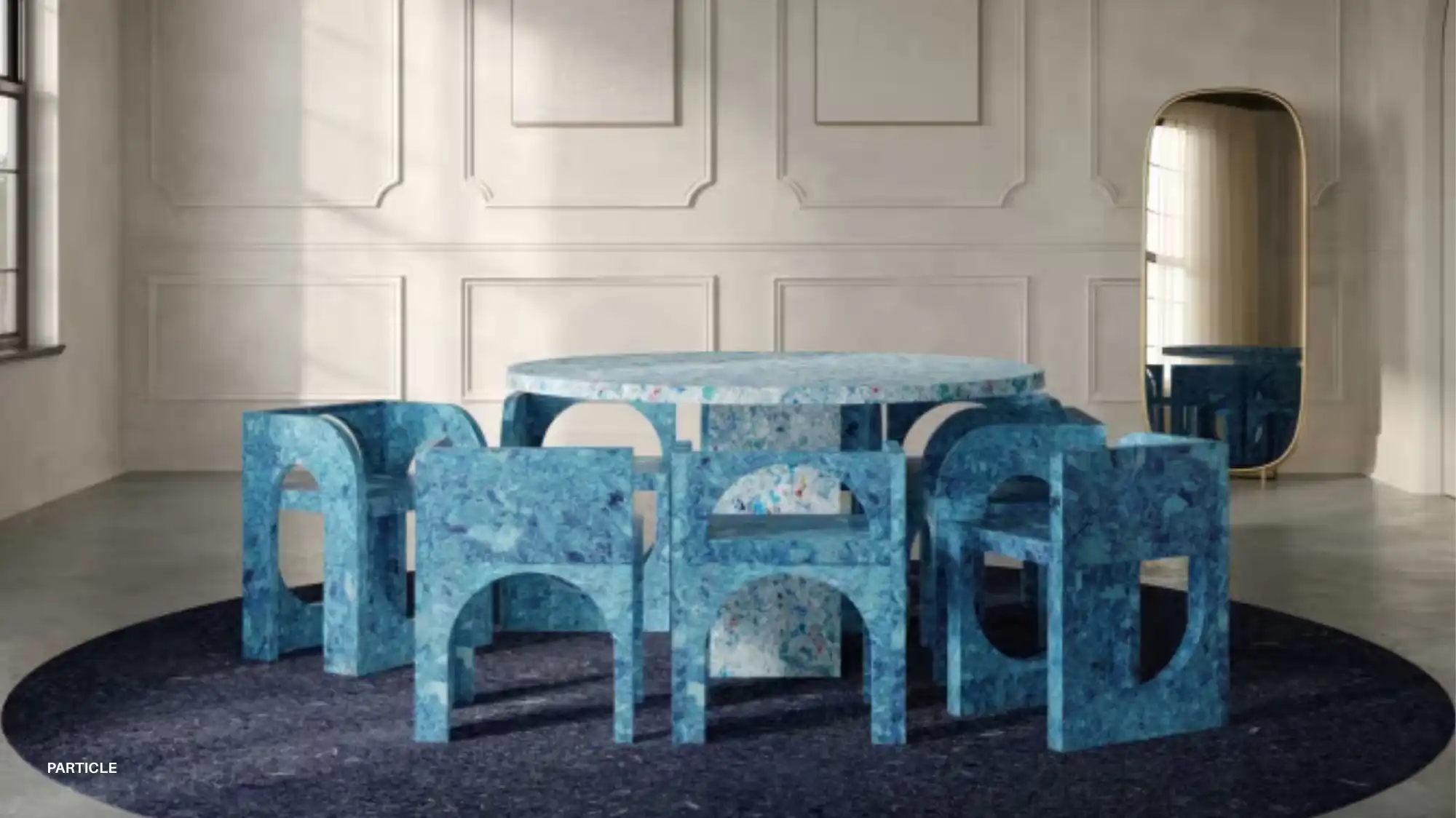
This directly reflects the Symbiotic Future thinking, where materials evolve in dialogue with natural systems rather than against them.
Through the lens of Trend Forecasting, this shift signals a fundamental consumer desire: products must carry provenance, transparency, and cultural purpose.
In 2027 2028, sustainability stops being the story.
Symbiotic materiality becomes the new standard.
Tectonic Minimalism: Structural Precision and Sensory Intelligence
Minimalism is not disappearing; it is becoming more intentional, more engineered, and more sensorial. The emerging aesthetic for 2027 2028 is marked by surfaces that shift in opacity, textures that modulate through touch, and materials that respond to micro-temperatures.
This is where Lifestyle Trends enter the conversation. Consumers seek clarity but reject sterility. They want a design that is clean yet alive, structured yet responsive.`
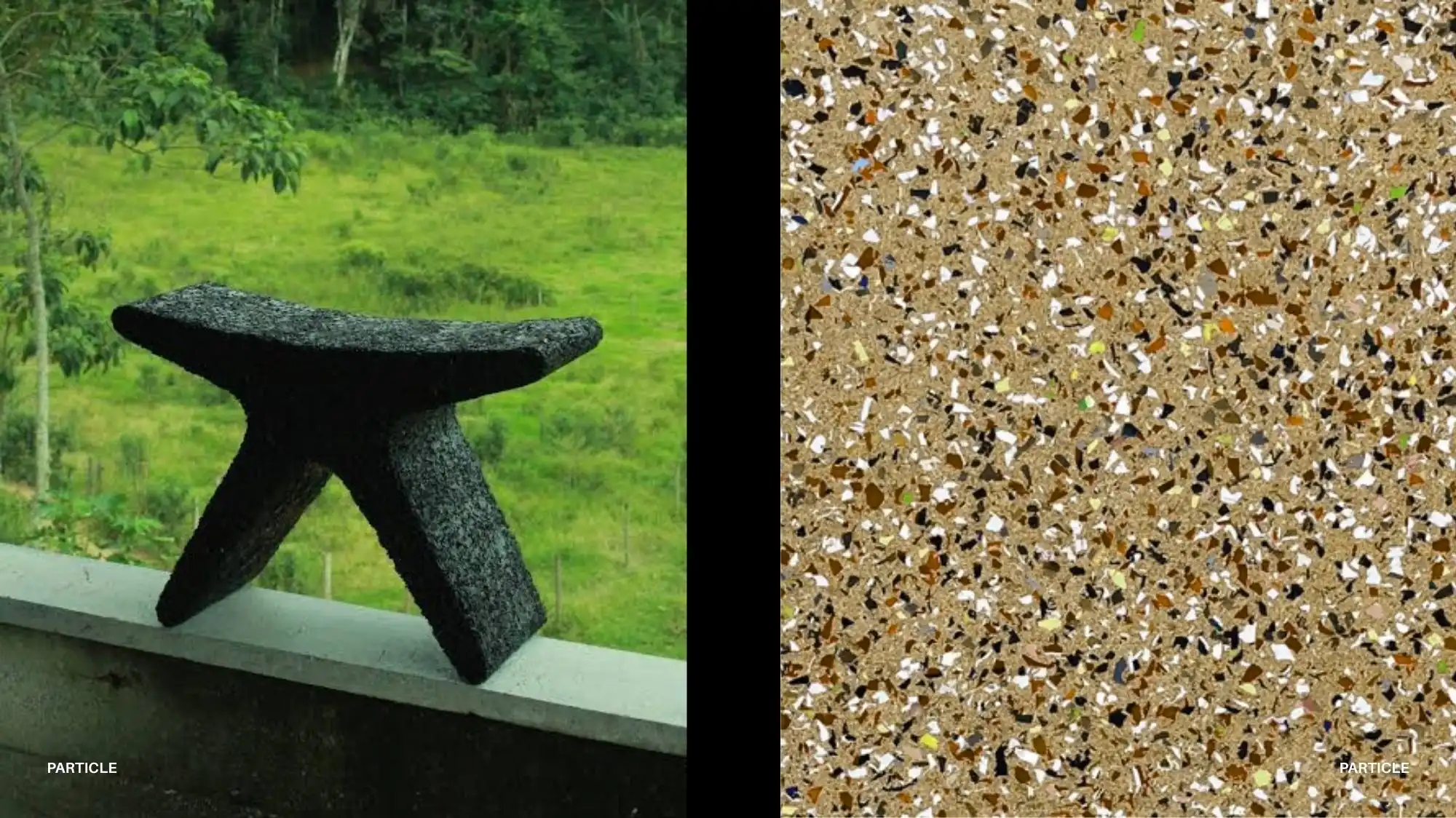
The work of designers like Neri Oxman — who bridges biology, computation, and craft — provides a conceptual reference for this evolution.
Here, materials operate as sensory instruments.
And through Design Trend Forecasts, this direction becomes a cultural signal: design must now support mental clarity, tactile grounding, and environmental harmony.
Hybrid Craft Futures: Artisanal Intelligence in a Symbiotic Era
Craft is undergoing a profound transformation. The craft of 2027 2028 is not a nostalgic return to tradition — it is a technologically enhanced cultural practice.
3D-printed bio-composites, robotic weaving, algorithmic dye techniques, modular natural fibers, and micro-embroidery enhanced by computational logic form a new hybrid discipline that C2 defines as artisanal intelligence.
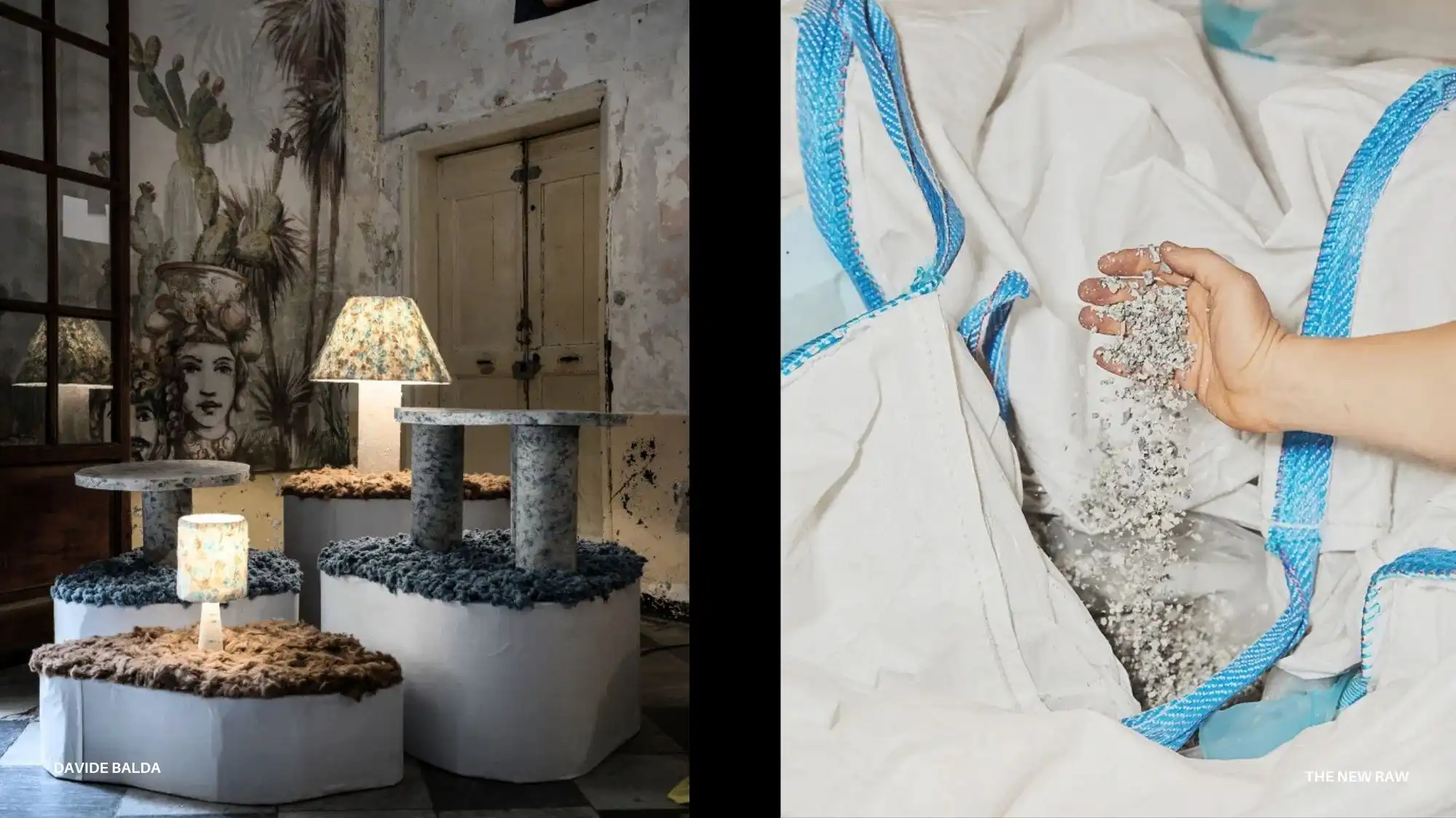
This is Creative Innovation at its purest: where high-tech and high-touch coexist.
Where heritage techniques integrate with material science.
Where the artisanal lexicon evolves into something more fluid, precise, and emotionally resonant.
This hybridization is part of the broader Symbiotic Future: nature, craft, and technology no longer collide — they collaborate.
Material Narratives: When Trend Forecasting Becomes Cultural Insight
Material innovation is not only a technical frontier — it is a cultural one.
Every material choice communicates positioning, values, and identity.
- Bio-ceramics suggest longevity and responsibility.
- Liquid-wood composites signify future craft experimentation.
- Metal-organic polymers signal progressive hybridization.
- Regenerative fibers express planetary awareness and adaptive luxury.
From a Trend Forecasting perspective, materials storytelling tools.
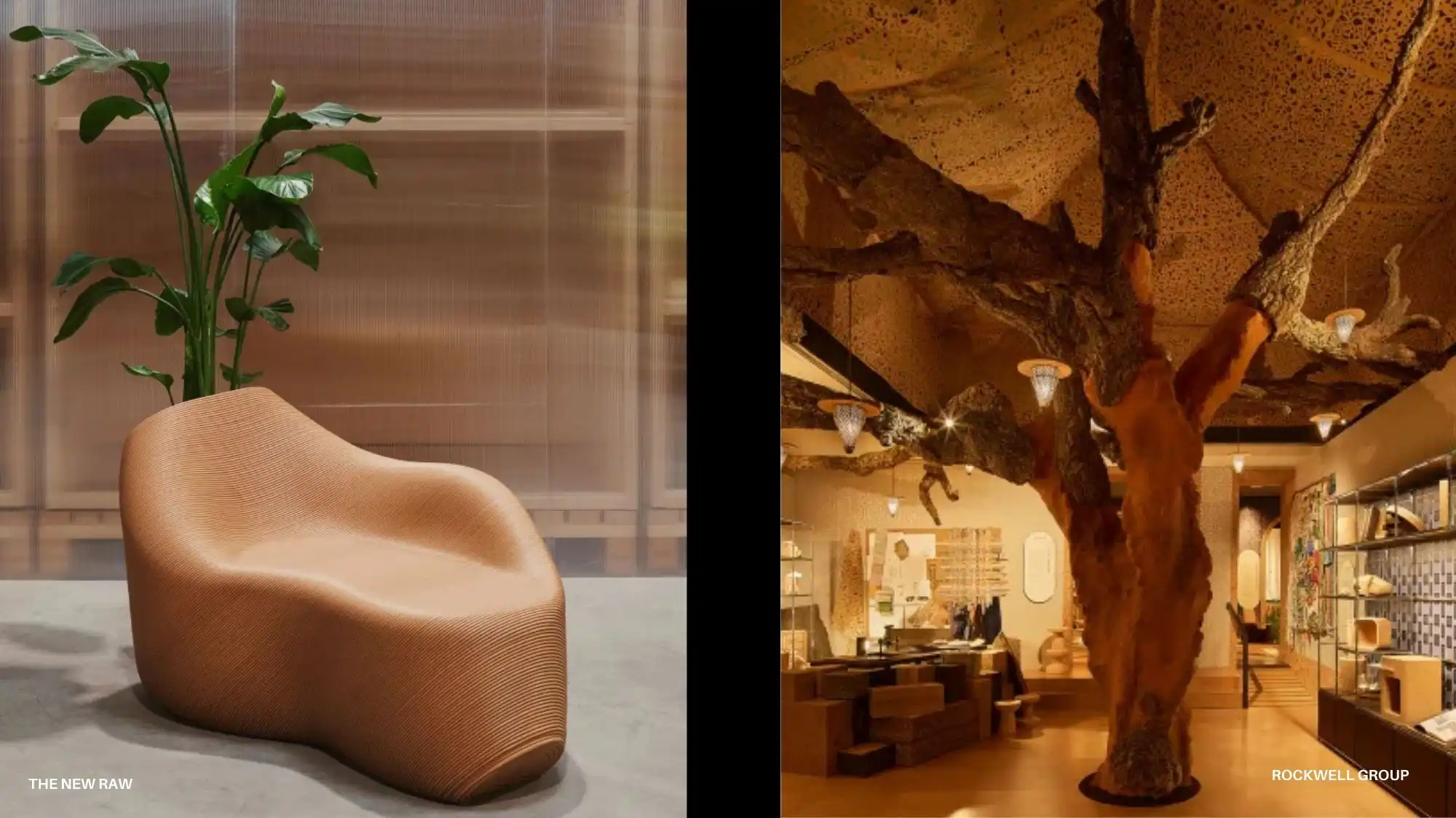
They express how brands situate themselves in culture — whether they embrace activism, experimentation, wellness, heritage, or techno-naturalism.
The long-standing insight of designer and scholar Ezio Manzini becomes newly relevant: design is the negotiation between what the world is and what the world must become.
In 2027 2028, that negotiation is written in material form.
Creative Innovation for 2027 2028 points toward a design landscape defined by intelligent materials, hybrid craft, and symbiotic relationships between nature, technology, and human intention. This convergence does not produce spectacle; it produces coherence — a design culture where every choice reflects awareness, responsibility, and forward-looking clarity.
In the years ahead, the brands that will stand out are those capable of reading these signals with depth and translating them into meaningful, tactile, and future-ready experiences.


Trend Forecasting Intelligence
C2 Trend Platform.
Structured trend forecasting for clarity, product direction, and collections aligned with future demand.
Trend Forecasting Intelligence