

Fashion’s Emotional Durability: Designing Collections That Grow More Valuable With Time
Fashion’s quiet revolution: attachment over acceleration
Fashion consumption has never moved faster, and garments have never been discarded more quickly. Studies in 2024 revealed that the average consumer now keeps an item for just seven wears before moving on, while global clothing production has doubled since 2000. This acceleration has created an unsustainable paradox: more garments than ever, but fewer that truly matter.
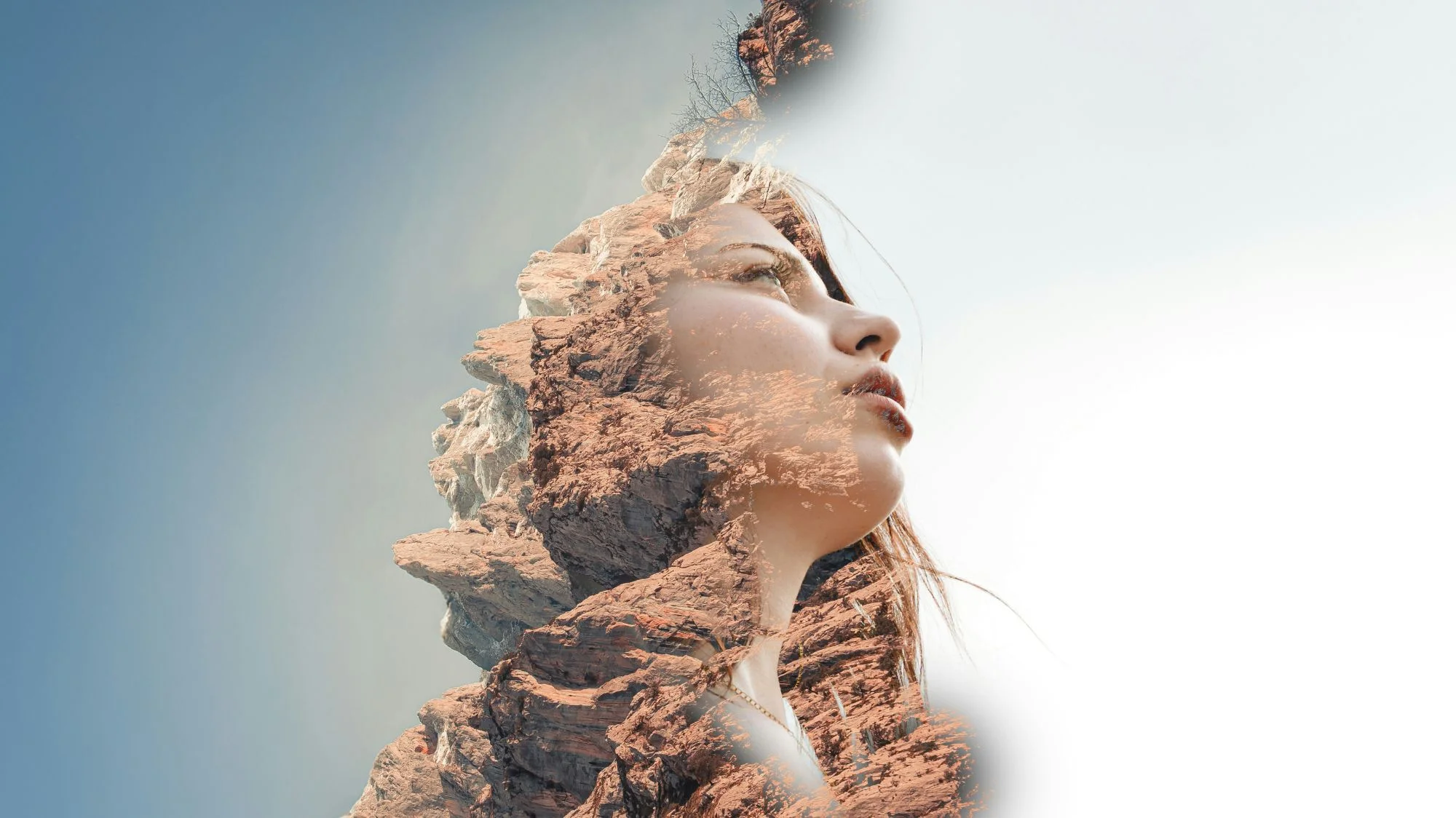
Here, emotional durability becomes fashion’s counter-revolution. Instead of chasing what’s next, designers are shaping collections that carry memory, identity, and meaning—clothes that grow more valuable with time. Emotional durability is not nostalgia; it is a design choice, rooted in storytelling and attachment. It reframes wardrobes from disposable to personal archives.
Emotional durability foundations: storytelling, surface, memory, consciousness, repair
Garments with emotional durability are never static. They evolve. A blazer that softens with age, a handbag that darkens with a unique patina, or denim that records its wearer’s movements, each becomes a narrative object.
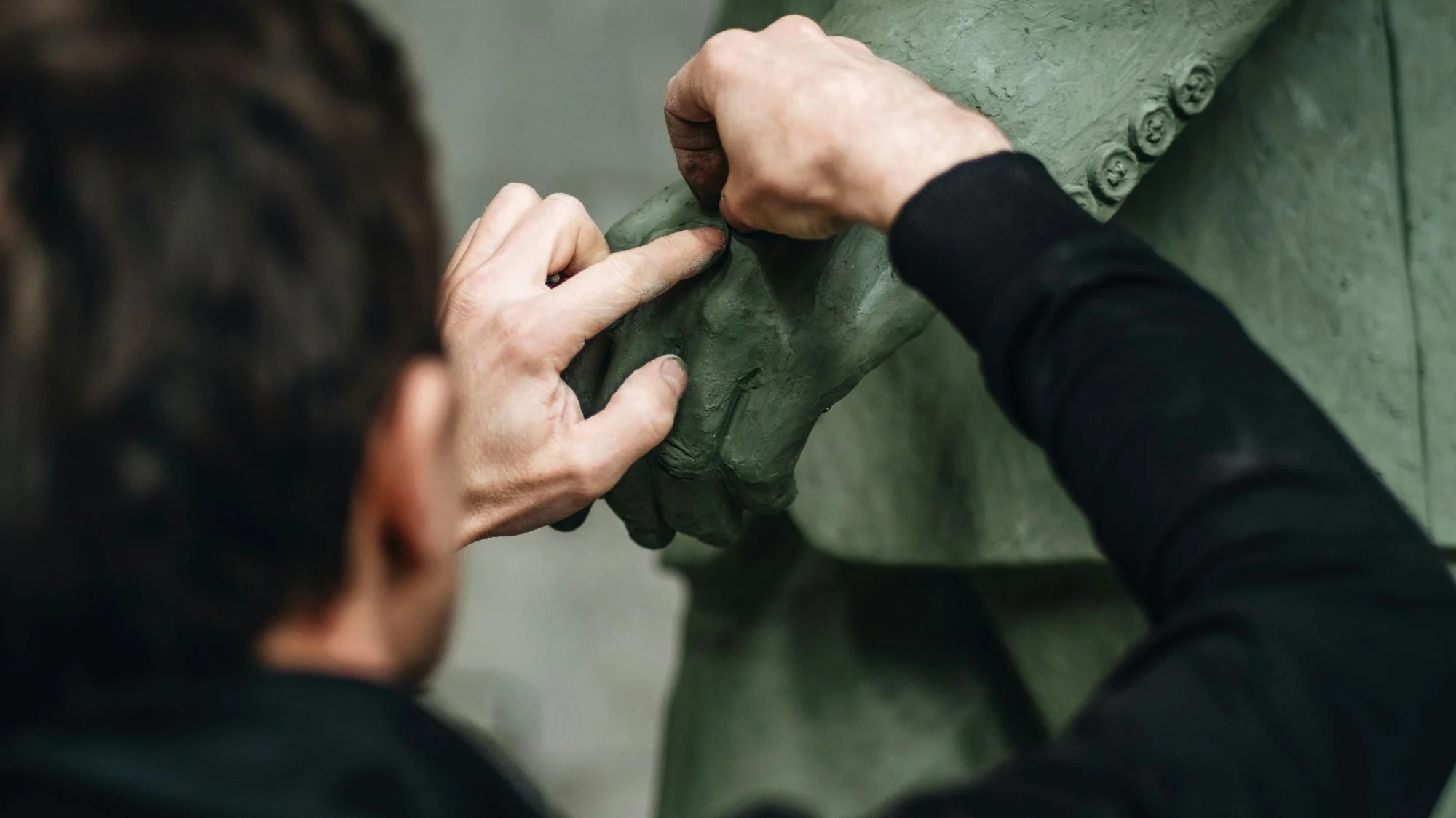
Jonathan Chapman defines this as the power of attachment and surface, where imperfections, repairs, and textures are not flaws but signals of life. Within Fashion Trends, this is increasingly central: consumers want fashion that records experience, not erases it.
These qualities are why emotional durability is a rising keyword across Fashion Trends, not just as sustainability rhetoric, but as a practical tool to build intimacy between brand, product, and consumer.
Fashion trends embracing depth instead of disposability
Recent consumer data underscores the urgency. In 2025, The Guardian reported that extending the life of a garment by just nine months reduces its environmental footprint by 20–30%. Meanwhile, the resale market, projected to reach $350 billion by 2030, thrives precisely because people assign value to clothes with story and history.
“Fast fashion is empty,” as Stella McCartney reminded in 2024, “but clothing that lasts carries responsibility.” Designer Eileen Fisher adds, “Sustainability is not an end, it’s a journey.” Both underline how Fashion Trends are moving from excess toward permanence.
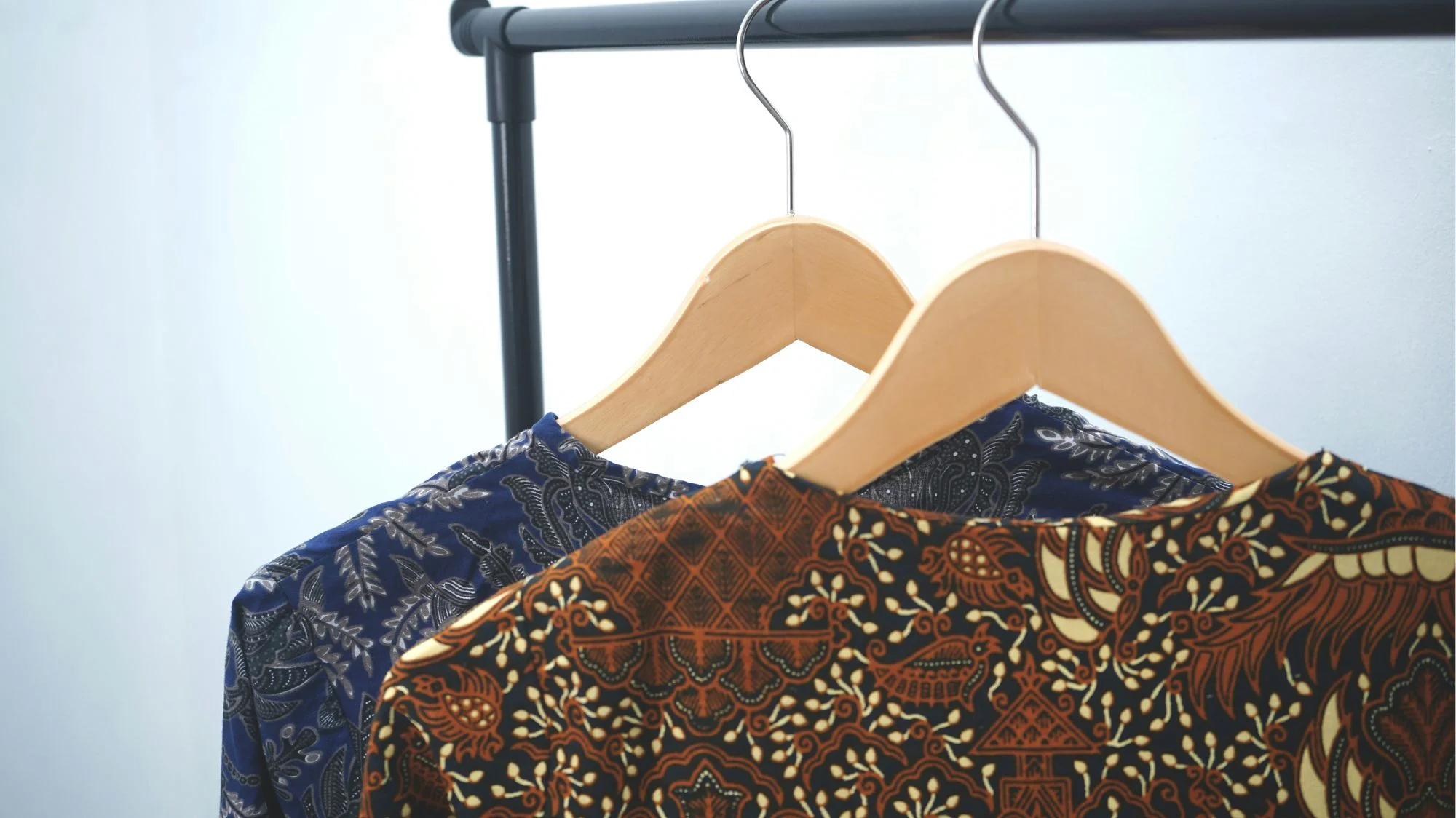
For consumers, keeping a garment longer is not just ecological, it is cultural. It answers a hunger for depth, stability, and meaning in an accelerated world.
Design trends that cultivate emotional value and loyalty
Forward-thinking houses are embedding emotional durability directly into collections. Repair workshops, modular tailoring, visible mending, and seasonless design cycles are becoming signature strategies. This is not slow fashion rebranded; it’s a deeper recalibration where clothes are created to age with us.
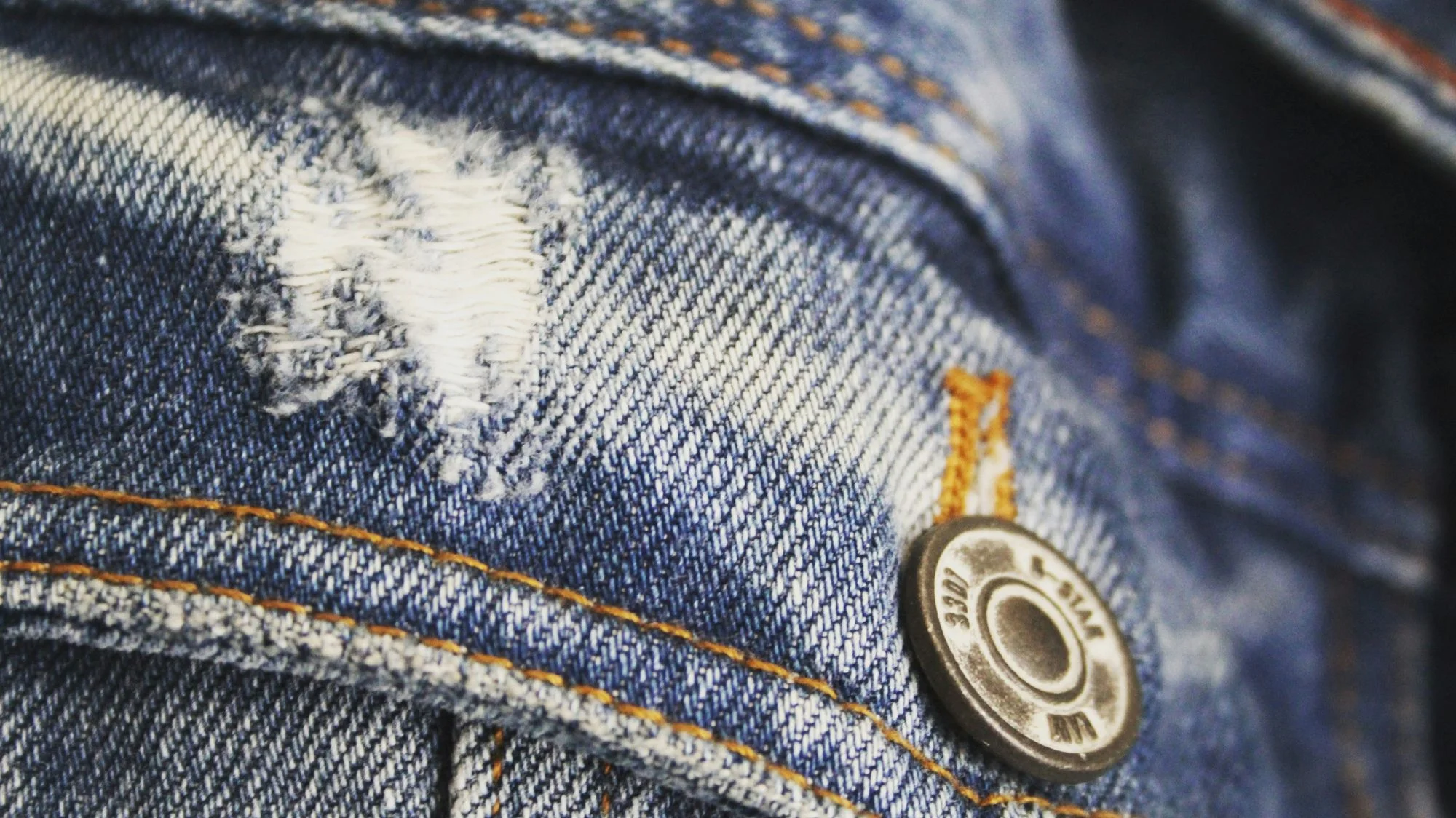
Here, Trend Forecasting plays a strategic role: predicting not just colors or silhouettes, but how collections can embed themselves into daily life. As consumers align with Fashion and Lifestyle Trends that favor mindful ownership, brands that build emotional durability create loyalty, trust, and lasting cultural relevance.
These strategies reveal that longevity is not an aesthetic compromise, it’s the new luxury. True exclusivity today lies not in rarity but in resilience
Emotional durability marks a turning point for the industry. It reframes garments as living objects, capable of deepening value through time, attachment, and story. In an era dominated by acceleration, Fashion Trends shaped by emotional resonance stand out as both visionary and responsible. And as Trend Forecasting anticipates, the future of fashion lies not in what fades quickly, but in what we never want to let go.


Trend Forecasting Intelligence
C2 Trend Platform.
Structured trend forecasting for clarity, product direction, and collections aligned with future demand.
Trend Forecasting Intelligence