

Entropism: How Imperfection and Dirty Aesthetics Are Influencing the Future of Fashion
Across contemporary culture a striking aesthetic shift is unfolding. In place of immaculate surfaces and digitally perfected images, designers are increasingly drawn to materials that appear weathered, stained, corroded or biologically altered. This emerging direction can be described as Entropism—an aesthetic philosophy that embraces imperfection, erosion and material transformation.
Rather than presenting garments as pristine objects, fashion is beginning to explore the beauty of decay and environmental interaction. The result is a new visual language where dirt, soil, oxidation and decomposition become meaningful design elements.
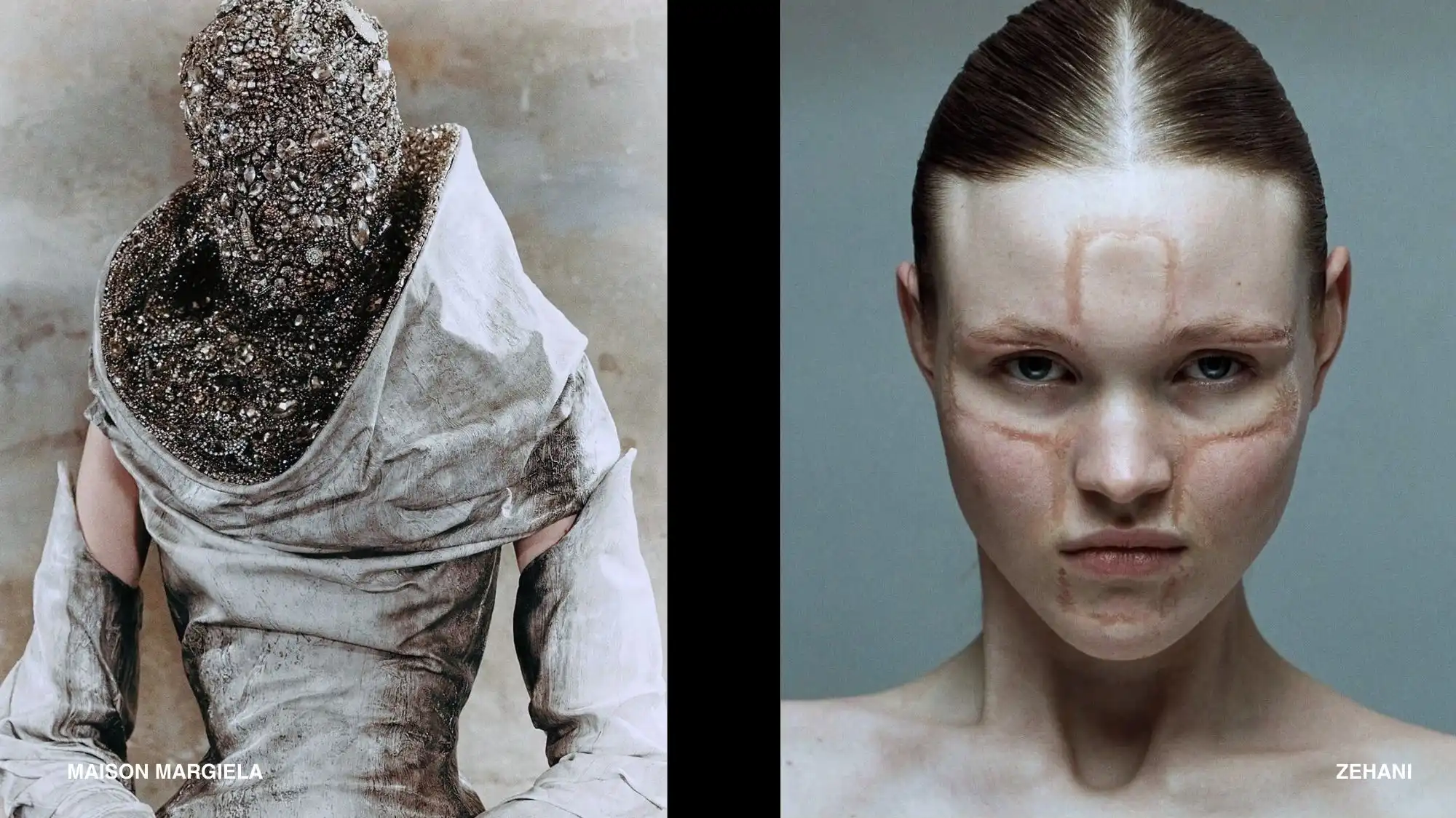
In a cultural moment defined by climate awareness, technological acceleration and systemic uncertainty, the fascination with entropy reflects a broader shift in how creativity relates to the natural world. Materials are no longer treated as static surfaces but as living systems capable of transformation.
Entropism and the Cultural Shift Toward Imperfect Beauty
Contemporary fashion culture is moving away from the long-standing obsession with perfection. Instead, designers are exploring garments that appear altered by time, environment and physical processes.
Material Imperfection and the Evolution of Fashion Intelligence
Within the broader field of Fashion Intelligence, this shift signals a deeper cultural transformation. Imperfect materials communicate authenticity in a world increasingly dominated by artificial imagery.
Surfaces that appear eroded, stained or fractured introduce a sense of temporal depth. A garment no longer looks freshly produced but instead carries traces of environmental interaction. These visual signals resonate strongly with consumers seeking authenticity, tactility and material truth.
Rather than representing deterioration, these textures suggest resilience, adaptation and transformation—values increasingly relevant in the contemporary cultural landscape.
Dirt as a Creative Tool in the Future of Fashion
Designers are increasingly treating dirt, soil and decay not as contamination but as a material language capable of storytelling.
Dirt, Decay and Material Storytelling in Fashion Design
Several experimental fashion projects demonstrate how degradation can become a creative force. Designer Hussein Chalayan, for example, buried garments underground for months, allowing soil and humidity to alter the fabrics. When excavated, the dresses carried organic stains and irregular textures that revealed the passage of time.
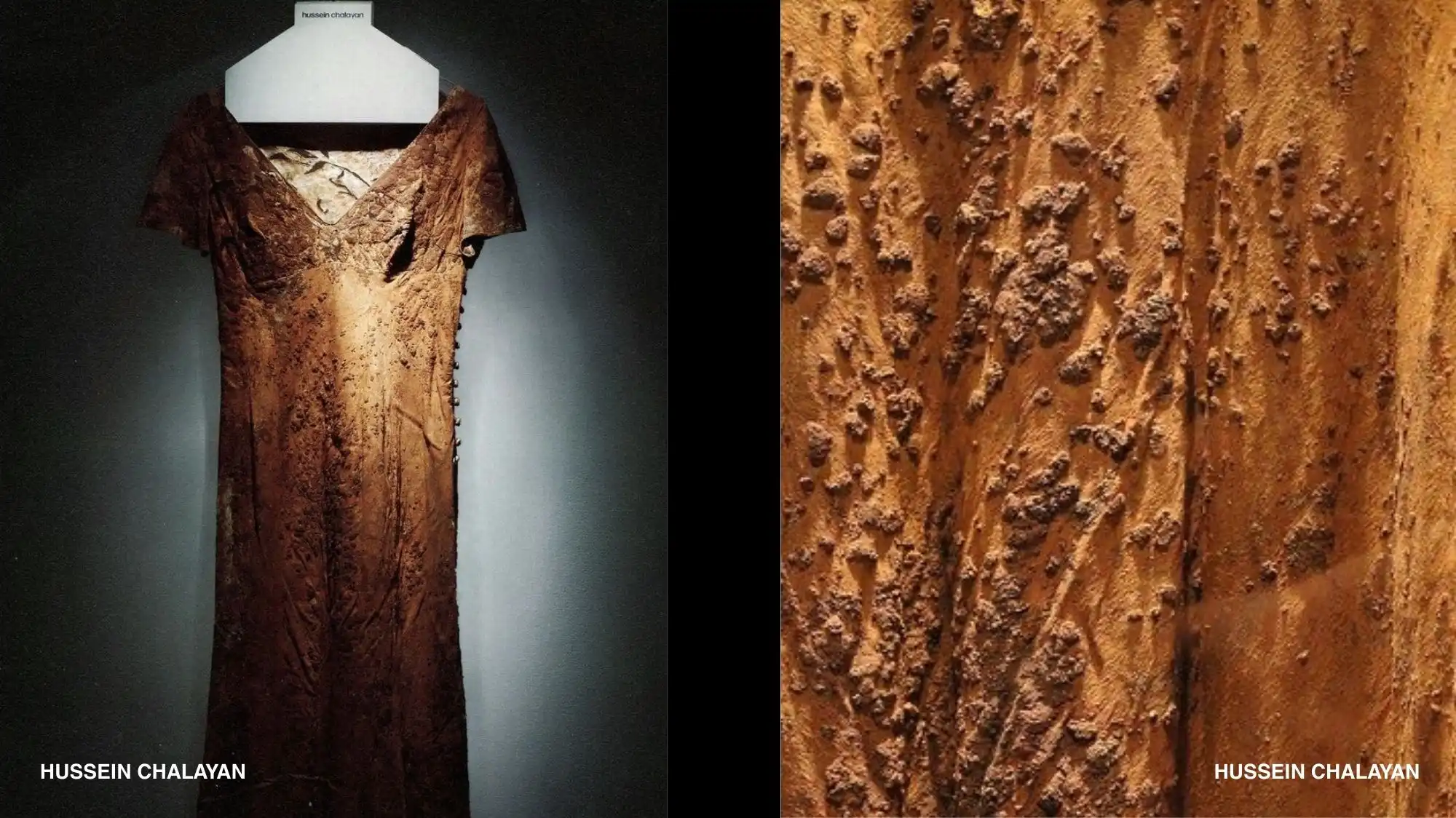
Similarly, London-based designer Robert Wun explores gowns that appear charred, wine-stained or moth-eaten. These garments challenge the conventional expectation that clothing must appear pristine.
Instead of erasing damage, these designers highlight it—turning deterioration into a narrative embedded within the material itself.
This approach reflects a broader transformation in fashion design, where garments increasingly function as cultural artefacts shaped by environmental interaction.
Bio-Design and the Material Transformation of Fashion Culture
Beyond visual experimentation, the entropic aesthetic also intersects with bio-design and material innovation.
Biological Materials and the Next Generation of Fashion Innovation
Biodesigner Alice Potts explores the transformation of human sweat into crystalline embellishments through a process often referred to as biocouture. The resulting garments blur the boundary between body, ornament and environment.
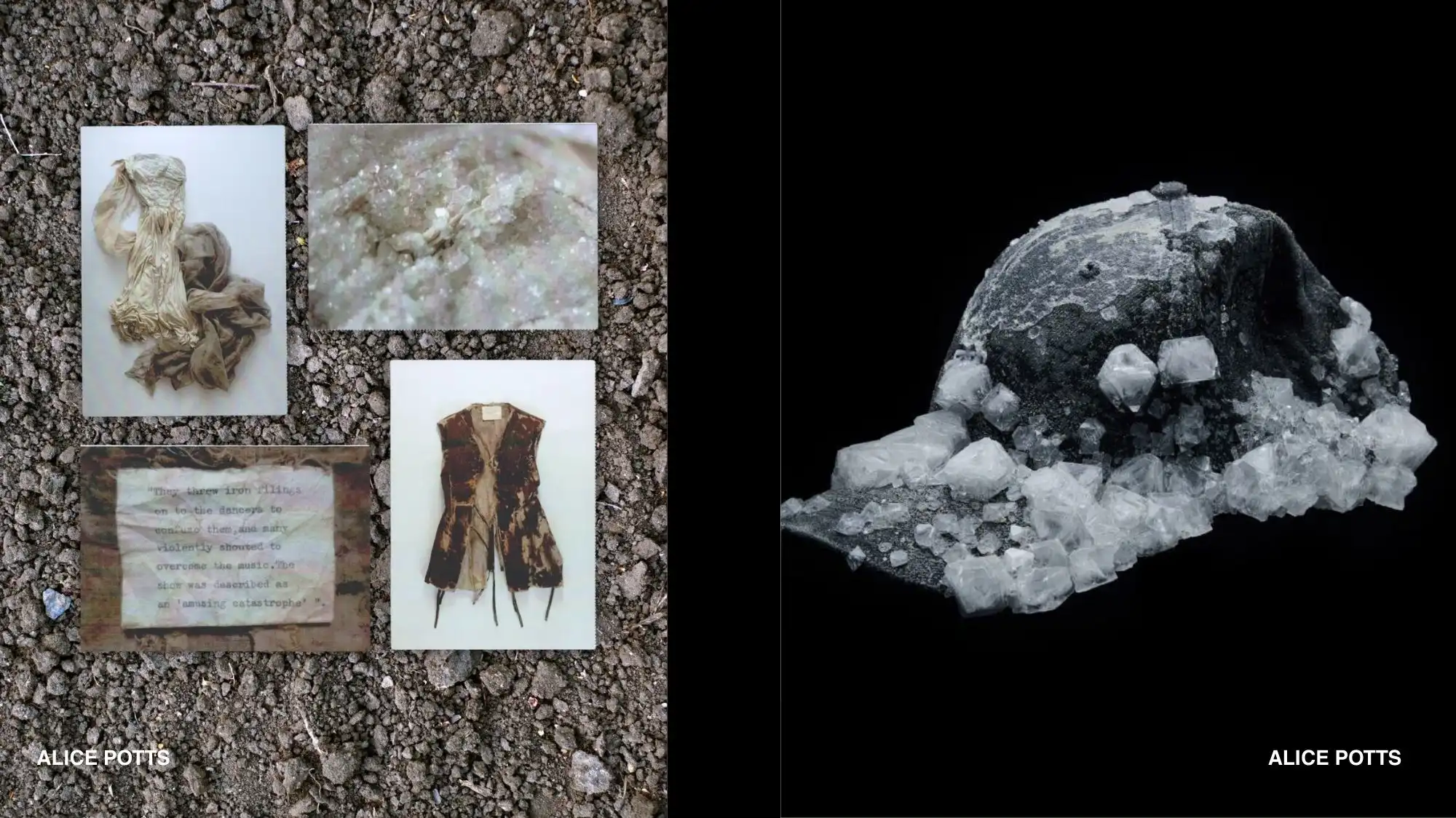
Other projects explore dirt more directly as a material system. Experimental design studios have developed jewelry made from recycled marble dust, while biodegradable footwear concepts embed seeds that grow as the object decomposes.
These explorations suggest that materials are increasingly understood not as inert substances but as dynamic systems capable of transformation.
Within this framework, fashion begins to engage directly with ecological cycles of growth, decay and regeneration.
Forged by Time: Entropic Aesthetics in Autumn Winter 2027 2028 Trend Forecasts
The growing fascination with erosion and environmental textures strongly resonates with the C2 Fashion Studio trend Forecasting direction “Forged by Time” for Autumn Winter 2027/28.
Forged by Time and Geological Aesthetics in the Future of Fashion
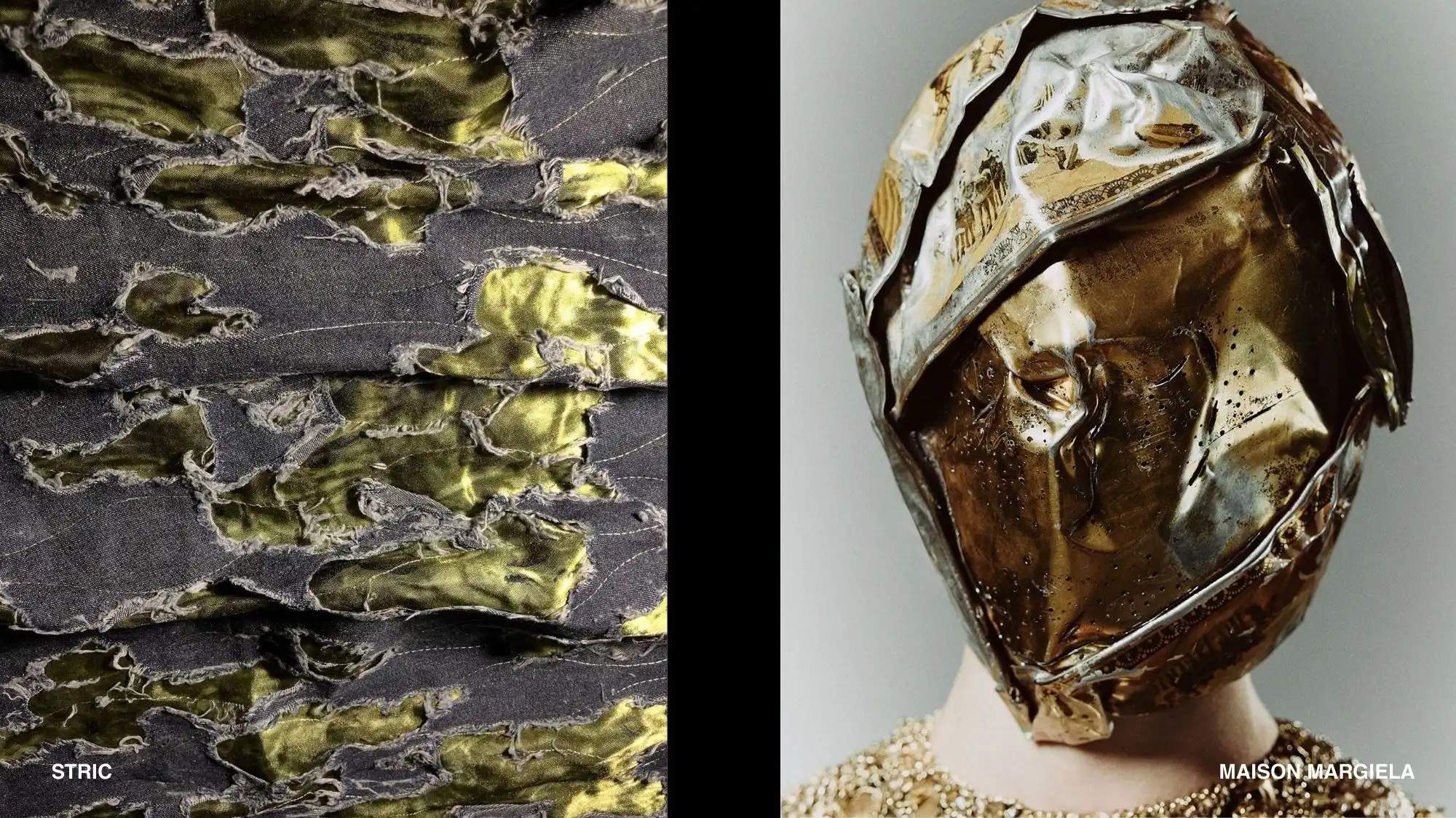
In this direction, materials appear shaped by natural forces rather than industrial precision. Surfaces evoke rock erosion, mineral oxidation, burned textures and geological formations.
Key aesthetic signals include:
- Charred textiles
- Oxidised metallic finishes
- Mineral pigmentation
- Cracked leather surfaces
- Soil-dyed fabric
- Raw stone-like textures
These materials suggest that garments have been forged through exposure to natural elements, echoing the way landscapes evolve through pressure, weather and time.
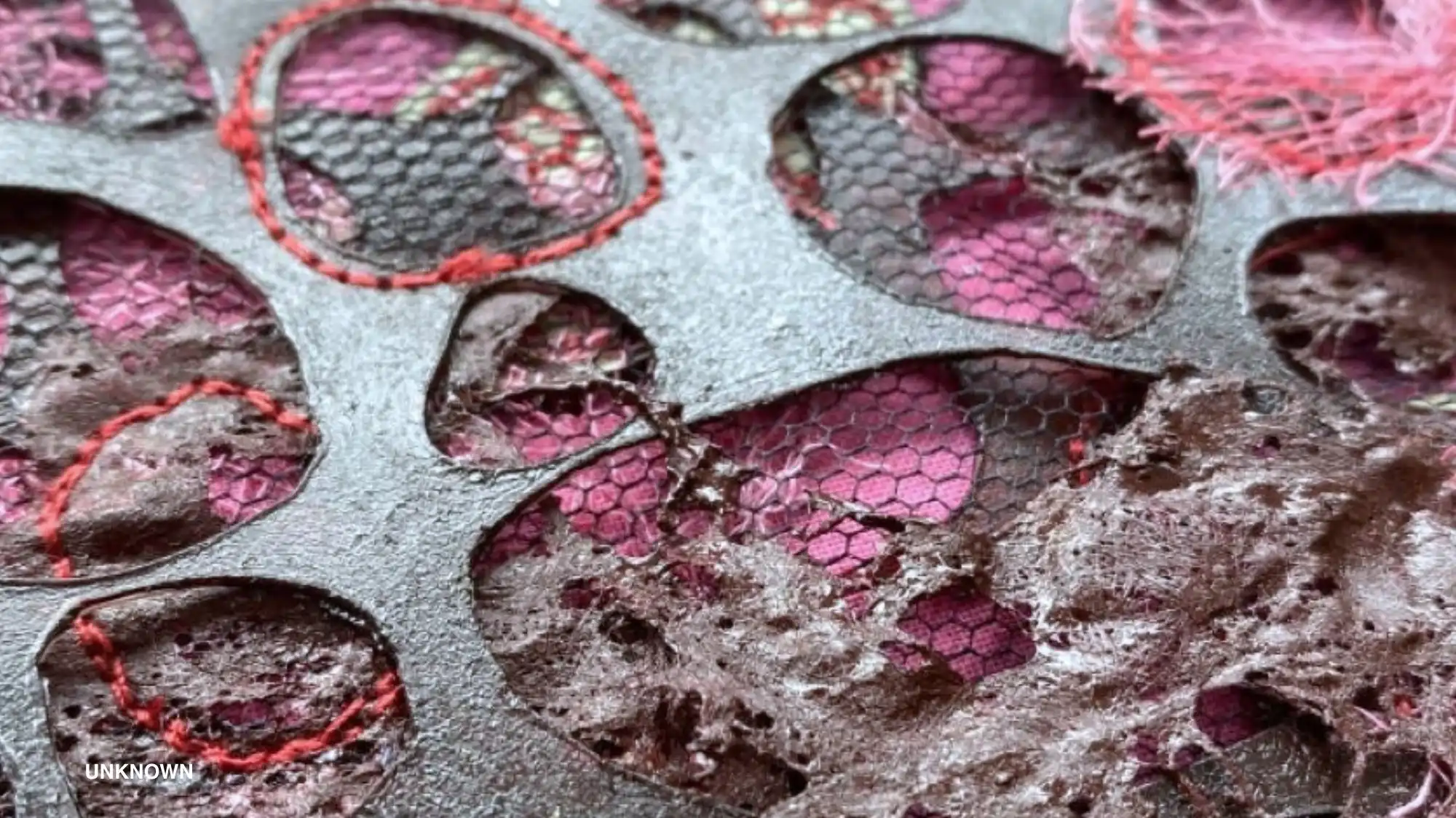
The result is an aesthetic where fashion appears almost geological—objects shaped not only by designers but by environmental forces.
Explore the full Trend Forecast on the C2 Trend Platform
Entropism and the New Meaning of Luxury
As this aesthetic continues to evolve, it also challenges traditional definitions of luxury.
Authentic Materials and the Future of Fashion Culture
Historically, luxury fashion emphasized flawless surfaces and immaculate construction. Today, however, cultural values are shifting toward authenticity, material depth and narrative richness.
Weathered materials, irregular textures and signs of transformation introduce a sense of human and environmental connection. Rather than appearing artificial or digitally perfect, garments begin to feel grounded in reality.
In this context, imperfection becomes a powerful aesthetic signal.
Dirt becomes narrative.
Decay becomes texture.
Transformation becomes creativity.
And within these imperfect surfaces, the future of fashion is beginning to reveal a new form of beauty—one shaped not by control, but by the dynamic interaction between design, time and nature.
Frequently Asked Questions
What is Entropism in fashion?
Entropism describes an emerging aesthetic in fashion where imperfection, decay, erosion and environmental textures become intentional design elements. Instead of pristine surfaces, garments incorporate stains, oxidation, burned textures or natural wear to express transformation and authenticity.
Why are dirty aesthetics becoming important in the future of fashion?
Dirty aesthetics reflect a cultural shift away from artificial perfection toward authentic materials and environmental storytelling. Designers are increasingly exploring how garments can express time, transformation and ecological awareness through textures that appear weathered or naturally altered.
How do designers create entropic textures?
Designers use experimental processes such as soil dyeing, oxidation treatments, controlled burning, mineral pigmentation, environmental exposure and biological materials to create surfaces that appear eroded, stained or naturally transformed.
What is the connection between Entropism and sustainability?
Entropism aligns with sustainability by embracing natural processes and material transformation rather than hiding wear or degradation. Many designers explore biodegradable materials, bio-design techniques and regenerative systems that allow garments to evolve over time.
How does the Trend Forecast “Forged by Time” relate to Entropism?
The Forged by Time trend for Autumn Winter 2027/28 Trend Forecasting direction identified by C2 Fashion Studio reflects the same aesthetic direction. Materials appear shaped by environmental forces such as erosion, oxidation and geological pressure, creating garments that feel naturally transformed rather than industrially perfect. Explore the full Forecast on the C2 Trend Platform.
Views


Trend Forecasting Intelligence
C2 Trend Platform.
Structured trend forecasting for clarity, product direction, and collections aligned with future demand.
Trend Forecasting Intelligence