

Luxury Brands and the Future of Fashion: Trend Forecasting for a New Era
How Gen Z Is Rewriting Luxury Fashion Trends
Luxury fashion is at a tipping point, and Gen Z is pushing it there. Instead of equating luxury with logo-splashed status symbols, younger consumers link it to values such as individuality, ethics, and cultural relevance. For luxury brands, this shift changes everything—from product design to storytelling, from distribution to long‑term trend forecasting.
From Status Symbols to Self‑Expression
For Gen Z, luxury is less “look at what I own” and more “this piece reflects who I am.” Research shows that this generation prioritizes emotional value, identity, and responsible consumption over pure material prestige. They are drawn to brands that mirror their beliefs—whether that means sustainability, gender inclusivity, or support for specific subcultures and communities.
In practice, this means a quiet logo can coexist with a loud narrative. A vintage bag, a customized sneaker or a limited‑run collaboration can feel more luxurious than a brand‑new monogrammed piece if the story behind it feels authentic and personally meaningful. Trend forecasting in luxury fashion must therefore move beyond tracking silhouettes and colours to mapping evolving identity codes—gender fluidity, fandoms, niche cultural scenes and digital tribes.
When Access Grows, Signals Lose Power
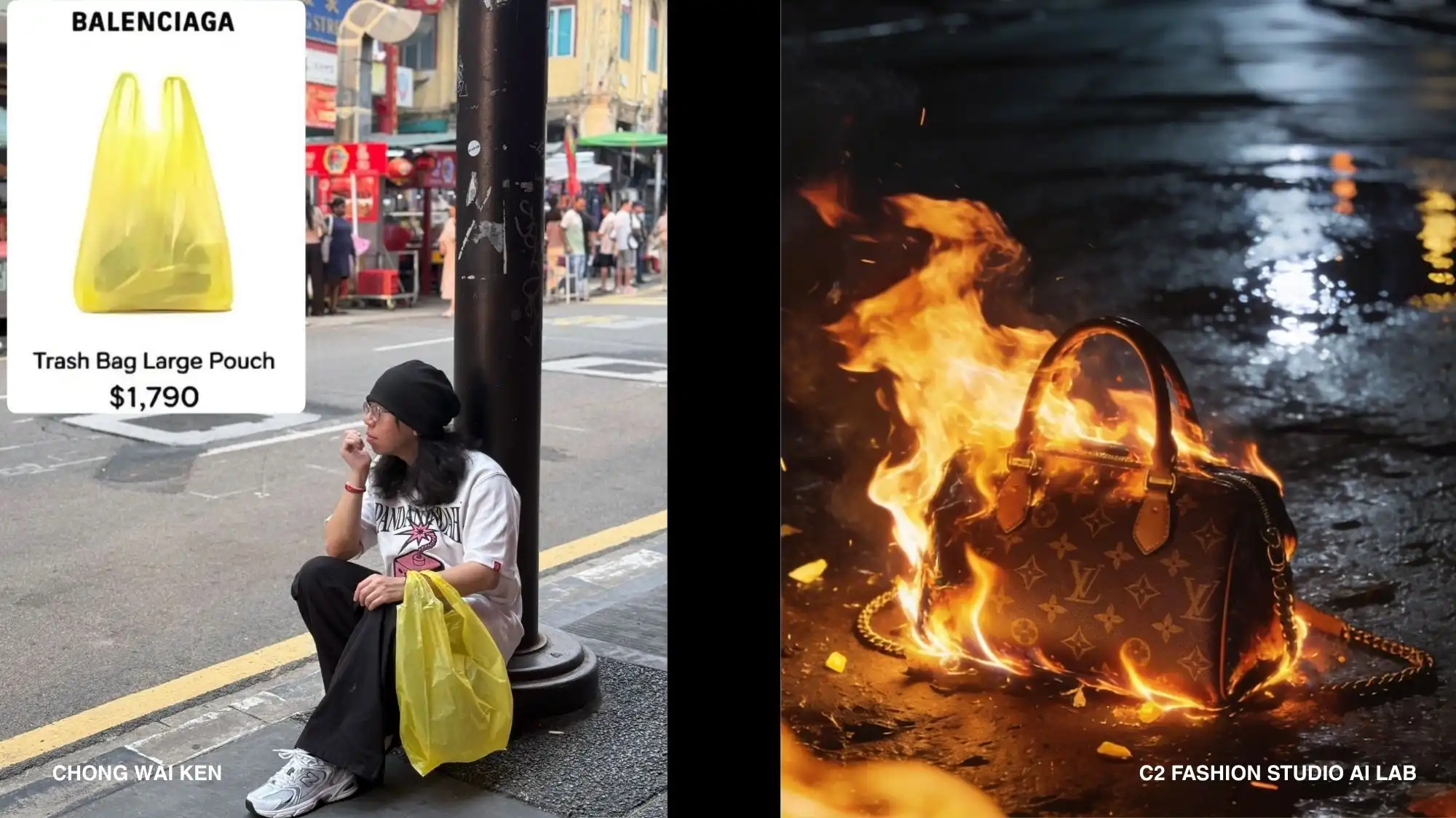
The images you shared illustrate a core tension: when everyone can access the “it” bag, its signalling power burns out. Mass access through outlets, resale platforms and logo‑heavy drops has diluted traditional luxury codes built on scarcity and recognisable branding. As a result, Gen Z no longer reads a logo as an automatic marker of taste or status; they interrogate the brand’s ethics, environmental footprint and cultural behaviour as closely as the product itself.
This is forcing luxury brands to rethink exclusivity. Instead of excluding through price or access, they are experimenting with new forms of “soft exclusivity”: micro‑drops, limited capsules, co‑created products and localised cultural projects that reward participation rather than just purchasing power. For fashion trend forecasters, monitoring these formats becomes as crucial as tracking hemlines or fabrics.
Intentional Luxury: Craft, Story and Purpose
Craftsmanship as Strategic Differentiator
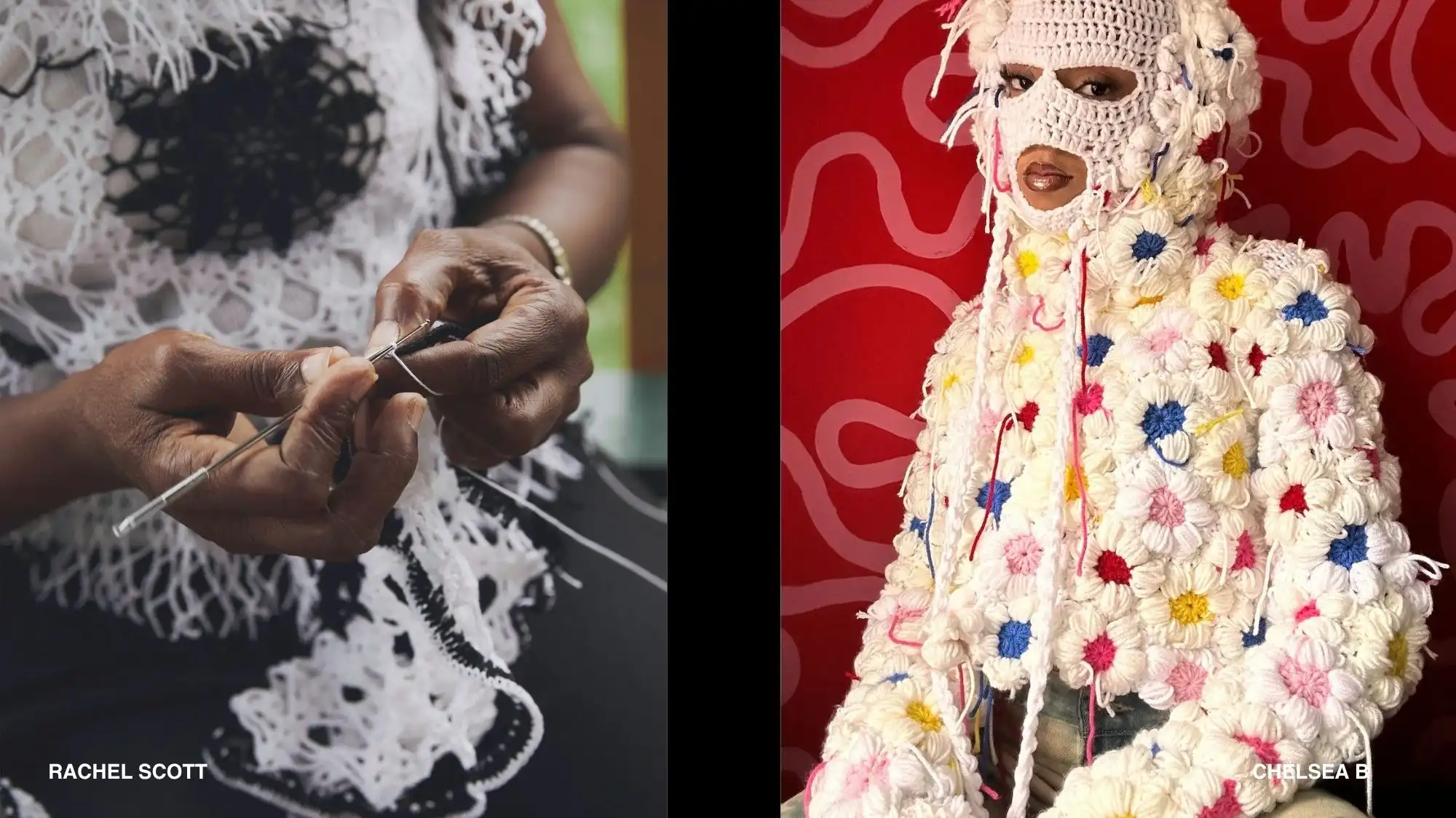
As fast fashion accelerates and AI speeds up design cycles, true craftsmanship is re‑emerging as a strategic asset for luxury brands. Handwork, traditional techniques and heritage know‑how provide a tactile counterpoint to digital excess and disposable clothes, signalling time, care and skill invested in each piece.
However, today’s craft must be contextual. Consumers want to know not only that something is handcrafted, but by whom, where and under what conditions. Storytelling around artisans, local communities and cultural heritage elevates craft from technique to narrative, turning garments and accessories into carriers of memory and meaning. In trend forecasting, this translates into heightened attention to provenance, traceability and the visual language of hand‑made imperfection—visible stitching, mending, patchwork and unique finishes.
Purpose‑Driven Stories Over Seasonal Hype
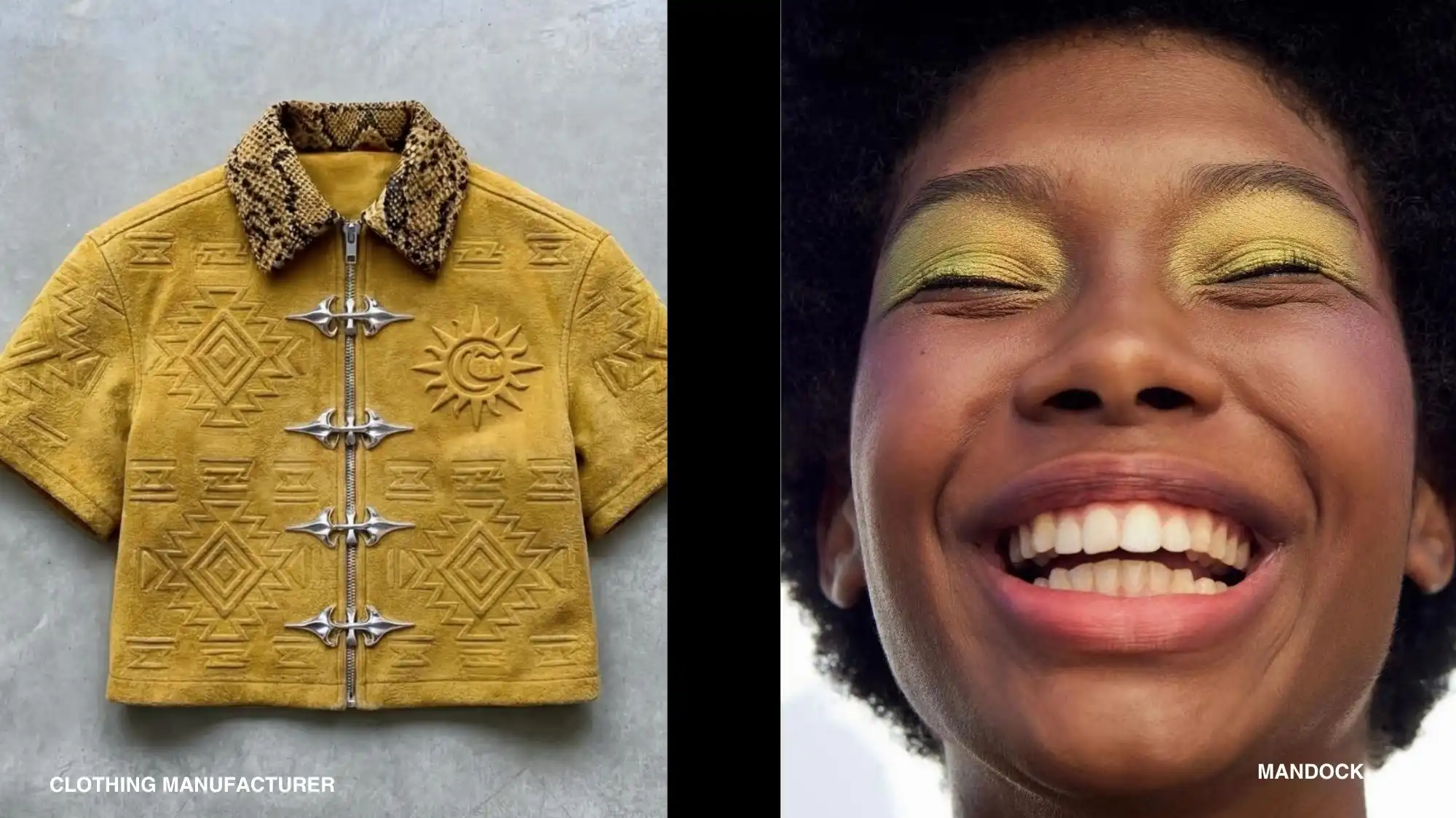
The caption in your third image captures a key idea: “less about trends, more about craft, story and purpose.” This aligns with a broader movement where luxury brands frame collections around social or environmental missions instead of purely aesthetic themes. Gen Z in particular responds to brands that show long‑term commitments—circularity programs, repair services, take‑back schemes and genuine partnerships with communities—rather than short‑term cause marketing.
For fashion trend forecasters, this means analysing not just what products look like, but what they stand for. Key signals include regenerative materials, transparent supply‑chain storytelling, collabs with NGOs or craftspeople, and content that educates consumers rather than simply selling to them.
Rethinking Luxury Fashion Trend Forecasting
From Loud vs Quiet to Intentional vs Superficial
The old dichotomy of loud versus quiet luxury is giving way to a more nuanced axis: intentional versus superficial. An intentional luxury brand may still use visible codes, but those codes are backed by credible commitments—ethics, community, creativity and long‑term value. Superficial luxury, on the other hand, leans on nostalgia, logos and hype with little substance behind the image.
In future‑facing fashion trend forecasting, the most powerful signals will sit at the intersection of:
- Cultural relevance (deep ties to youth culture, subcultures and local scenes)
- Material intelligence (craftsmanship, responsible materials, circular design)
- Narrative coherence (a clear story that aligns actions, aesthetics and values across seasons)
The central question your reference text poses—“What is luxury now: what you own, or what you represent?”—is becoming the core brief for both luxury brands and trend forecasters. The future of fashion lies in designing not only products, but identities and systems that help people live their values visibly, without needing to shout.
Views


Trend Forecasting Intelligence
C2 Trend Platform.
Structured trend forecasting for clarity, product direction, and collections aligned with future demand.
Trend Forecasting Intelligence