

What Makes a Product Feel Right in 2028: The New Logic of Desirability
Desirability is shifting from taste to systems thinking
By 2028, the products that truly work won’t just be stylish, innovative, or sustainable in isolation. They will feel “right” because they sit coherently inside a wider system of cultural codes, emotional needs, and decision frameworks. In fashion, this pushes desirability from an aesthetic judgement to a systemic calibration: a product must plug into how people live, choose, and signal meaning, not just look good on a moodboard.
From Visual Appeal to Systemic Sense
For years, desirability in fashion was mostly ruled by surface: silhouette, color, branding, and aspirational imagery. Today those elements are only one layer of evaluation. The 2028 consumer scans for systemic sense—does this product align with my values, my time constraints, my economic reality, my digital identity?
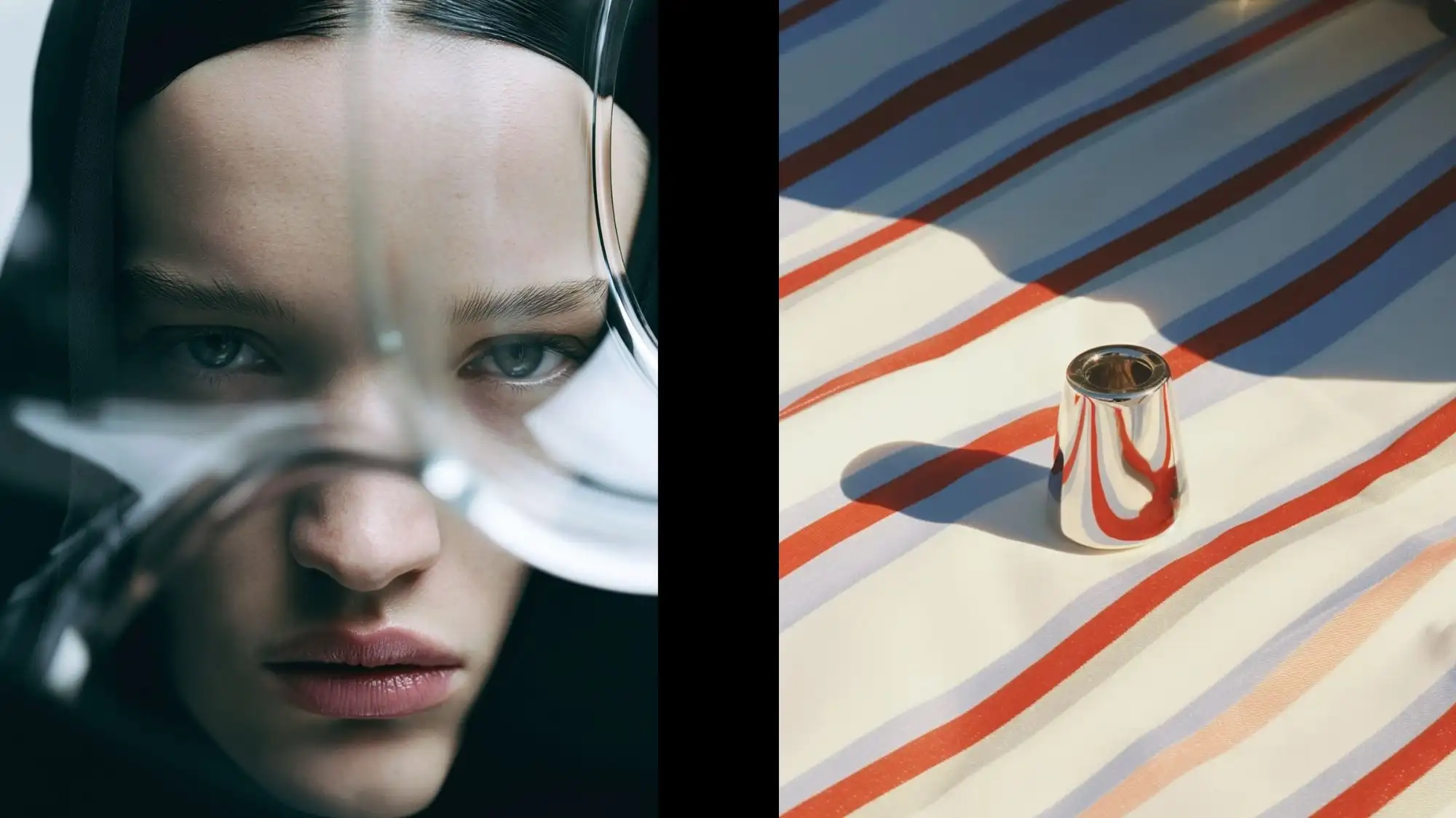
If a garment is visually exciting but contradicts a person’s practical or ethical logic, it creates friction. It may be admired, but it will not be adopted. “Feeling right” becomes a sign that the product fits into the user’s mental model of how their life should work. Trend forecasting, therefore, moves from predicting what will look new to decoding what will make structural sense within emerging lifestyles and cultural systems.
Emotional Micro-States as Design Inputs
The emotional landscape of desirability is also becoming more precise. Instead of designing for generic feelings like “comfort” or “luxury,” brands are now asked to respond to micro-emotional states: the need to feel grounded during uncertainty, to feel agile in hyper-fluid work lives, to feel quietly visible in saturated digital spaces.
Fashion translates these nuances into choices of material, cut, and interaction. A fabric no longer communicates only softness; it signals regulation, protection, or sensorial relief. A silhouette is not just oversized; it codes boundaries, retreat, or self-preservation. What feels right in 2028 is a product that captures the exact emotional tension of the moment and offers a clear, embodied response to it.
Contextual Intelligence Over Categories
Traditional product categories—daywear, officewear, occasionwear—are dissolving into contexts. Consumers move across digital and physical spaces, private and public roles, with little separation. They expect products to carry contextual intelligence rather than fixed labels.
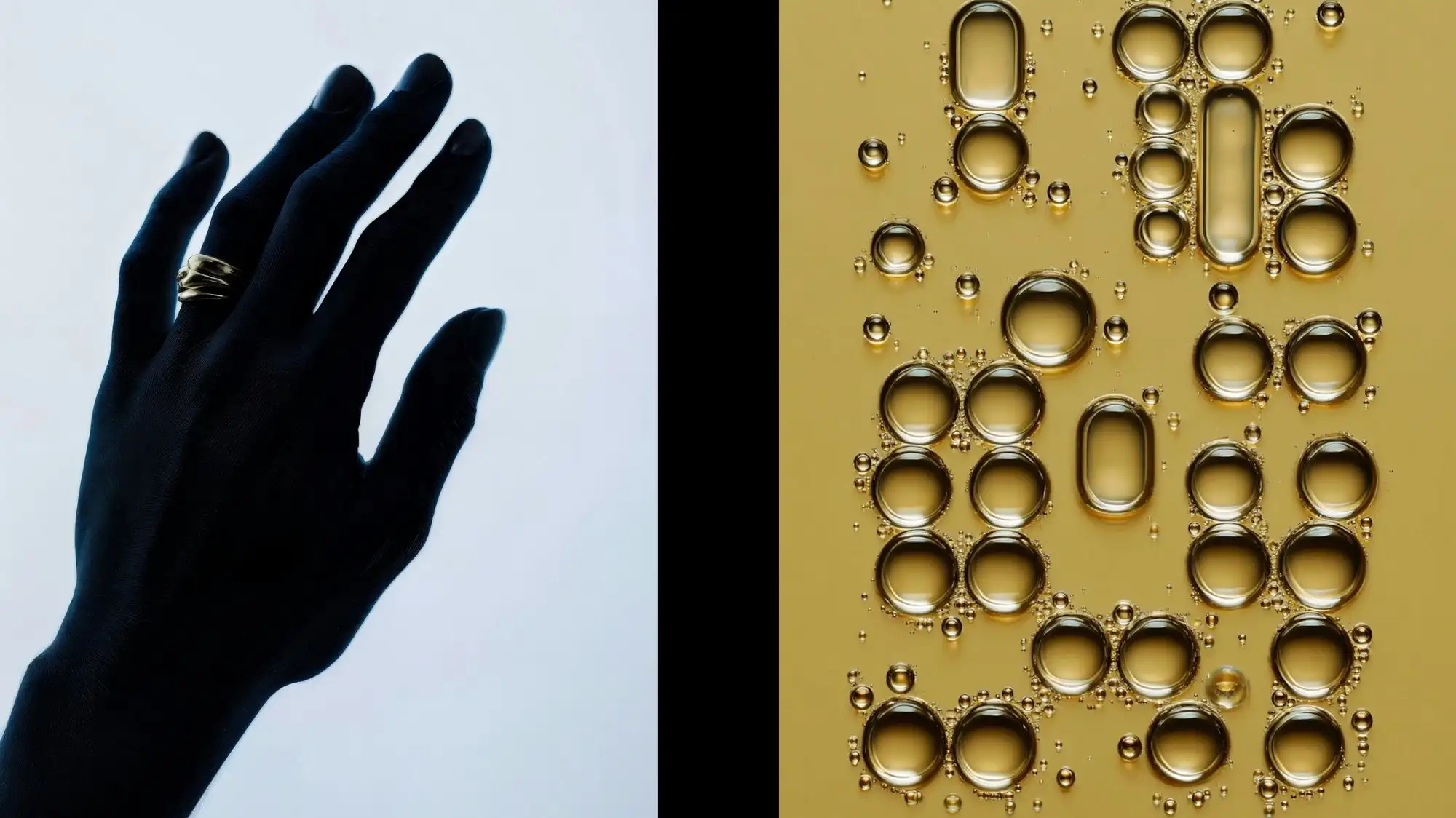
A desirable garment in 2028 might be designed around scenarios: how it photographs on a screen, how it performs during movement, how it signals identity in a mixed social environment. It doesn’t simply “transition from day to night”; it adapts to different emotional and social atmospheres with minimal decision effort. Desirability lives in this reduction of cognitive load—owning pieces that know how to behave across systems of use.
Sustainability as Structural Logic
Sustainability has shifted from marketing claim to structural prerequisite. What changes in the next phase is not whether a product is “responsible,” but how seamlessly responsibility is woven into the logic of desirability.

Materials, processes, and traceability need to feel intuitively aligned with the product’s promise. A piece that talks about circularity but feels fragile or disposable will feel wrong. A product feels right when its material story, its lifecycle, and its durability form a coherent narrative that the consumer can understand at a glance. In trend forecasting, material innovation becomes a language of trust as much as a language of aesthetics.
Designing for Systemic Rightness
The new logic of desirability is systemic. A product that feels right in 2028:
– Aligns with cultural signals and collective anxieties.
– Answers specific emotional micro-needs with precision.
– Operates intelligently across multiple contexts of use.
– Embeds sustainability as an obvious, lived logic rather than an abstract virtue.
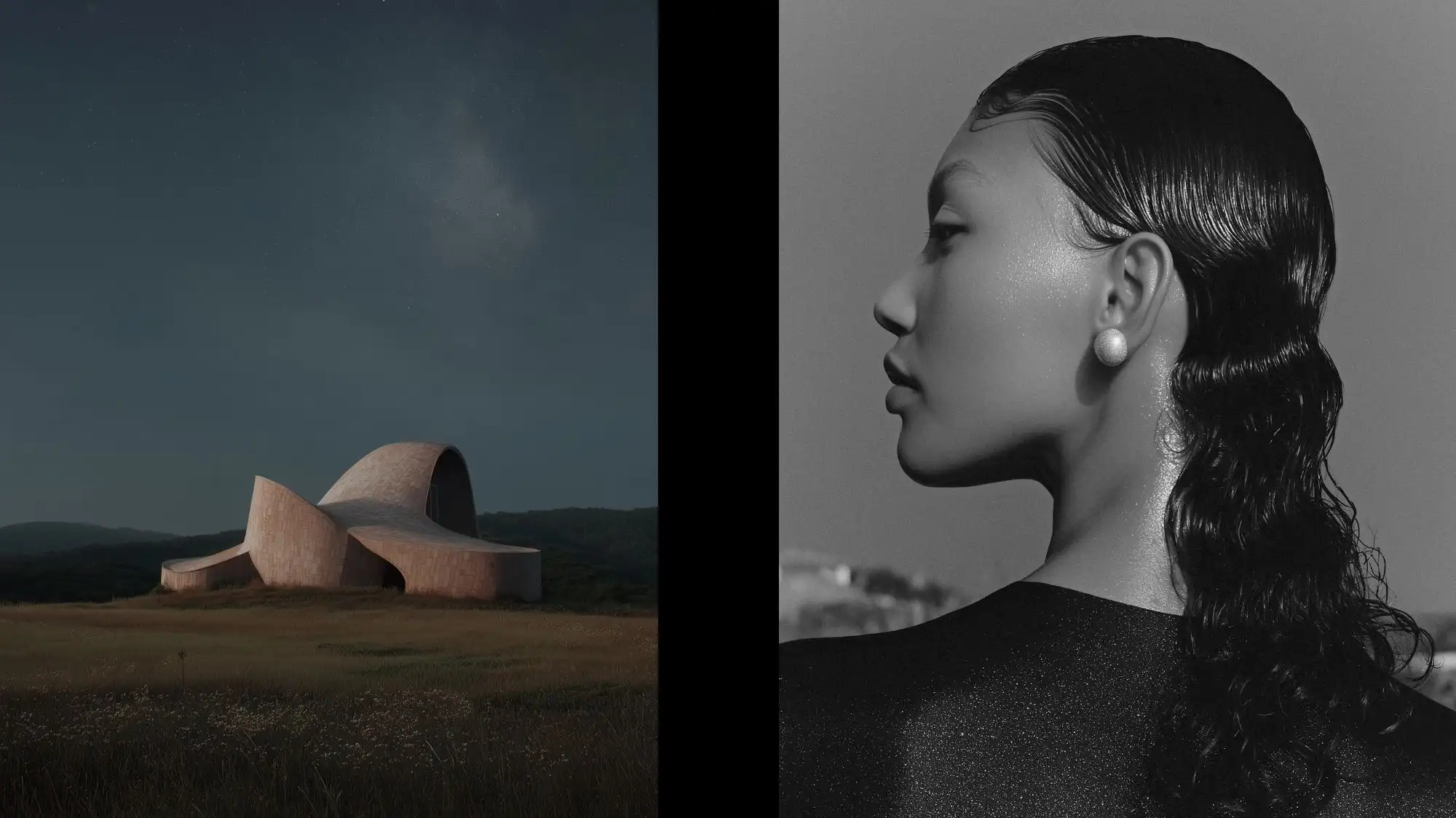
For fashion trend forecasters and strategists, this means tracking not only visual trends but the architectures around them: infrastructures, algorithms, platform behaviors, and social narratives. The winners of 2028 will be brands that don’t just anticipate what people will like, but understand how and where desirability is generated inside the larger system—and design products that lock cleanly into that logic of rightness.
Views


Trend Forecasting Intelligence
C2 Trend Platform.
Structured trend forecasting for clarity, product direction, and collections aligned with future demand.
Trend Forecasting Intelligence