

Youth Wellness in 2026: How Health, Emotion, and Performance Are Reshaping Brand Strategy
Why Youth Wellness Matters Now for Brands?
The wellness landscape is undergoing a profound transformation—and youth are driving it. What was once a relatively linear idea of “being healthy” has expanded into a complex, emotionally charged spectrum that blends performance, rest, spirituality, and identity. For brands looking ahead to 2026, this shift is not cosmetic. It is structural.
Health, fitness, and wellness are becoming top priorities for younger generations, but not in a uniform way. According to C2 Fashion Studio’s trend intelligence and fashion consumer insights, youth no longer respond to one-dimensional wellness messaging focused purely on fitness or aesthetics. Instead, they gravitate toward brands that design experiences—physical, digital, and emotional—that reflect a more nuanced understanding of wellbeing.
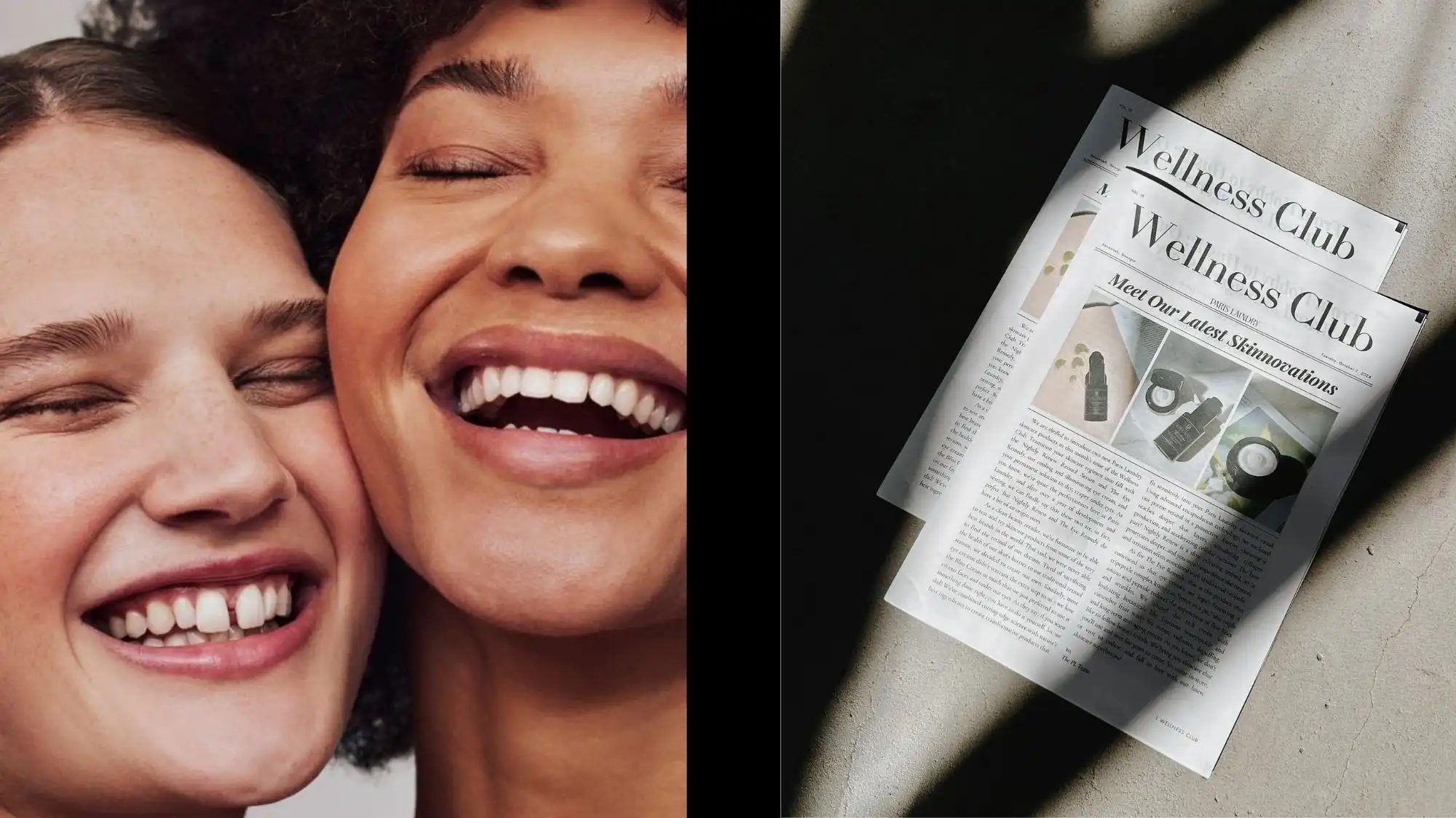
The data confirms this urgency. In a survey conducted by ABC Fitness, 73% of Gen Z respondents said they regularly use a gym, studio, or health club. Wellness is not aspirational for them; it is embedded into daily life. At the same time, new cultural signals are reshaping what wellness actually means. On TikTok, the rise of #sleepmaxxing shows young people actively experimenting with sleep routines, rituals, and environments as a form of self-optimisation and self-care. Sleep has shifted from passive recovery to an intentional wellness practice.
This evolution matters because youth are overwhelmed by noise—content, products, platforms, and promises. To cut through, brands must connect on an emotional level. Functional benefits alone are no longer enough. Wellness in 2026 is about how a brand makes people feel: supported, energised, protected, or grounded.
Polarised Wellness: Two Dominant Youth Mindsets
From Functional Benefits to Emotional Resonance
As polarised consumption becomes more entrenched, youth wellness is splitting into two dominant approaches. This is one of the most critical insights for fashion trend forecasting and strategic design consulting.
On one side are the optimisers. These consumers are driven by performance, control, and measurable outcomes. Their goal is to achieve a near “superhuman” aesthetic—one defined not by traditional beauty, but by enhanced capability. They lean into tech-driven solutions that heighten performance, accelerate recovery, and optimise the body as a system. Wearables, advanced materials, recovery technologies, and data-led fitness routines all play a role.
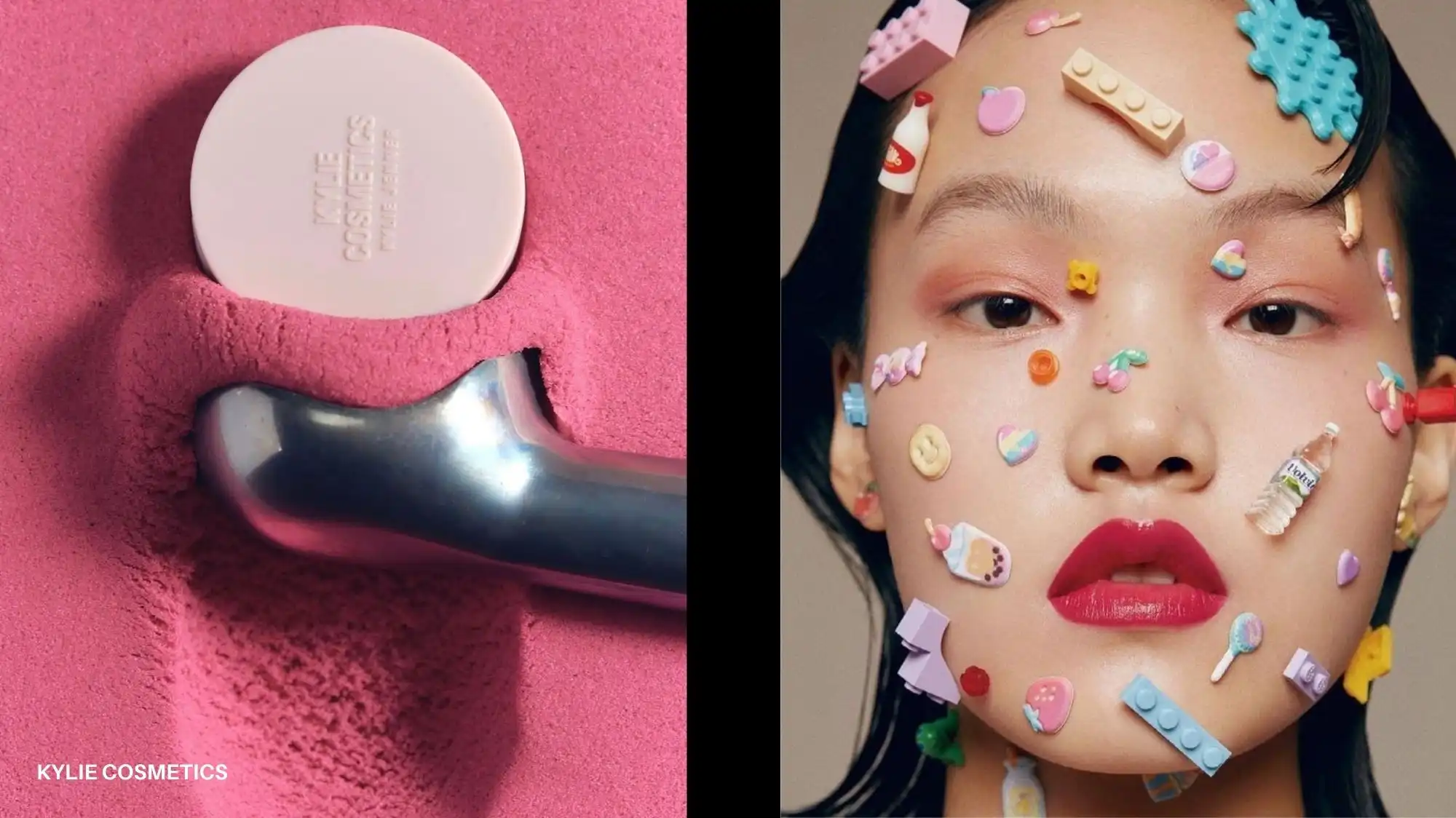
According to C2 Fashion Studio’s predictive fashion analytics, this mindset is pushing fashion toward a more technical, engineered language. Function becomes visible. Design communicates efficiency, precision, and mastery. For these consumers, wellness is about pushing limits and staying competitive—physically, mentally, and socially.
On the opposite side of the spectrum are those gravitating toward gentler, more holistic approaches. This group is not rejecting wellness, but redefining it. They seek balance rather than constant improvement, embracing mindfulness, therapy, meditation, and new-age practices that prioritise emotional safety and inner clarity. According to McKinsey, Gen Z outspends older generations on mindfulness-related wellness products, including meditation classes, mindfulness apps, and therapy sessions.
Here, wellness is less about optimisation and more about meaning. Fashion aligned with this mindset favours tactile comfort, cocooning silhouettes, grounding materials, and aesthetics that feel nurturing rather than performative. Meta-spirituality and ritual enter the design language, reflecting a desire for connection—to self, community, and something beyond productivity.
What This Means for Brands and Fashion Strategy?
For brands, the widening wellness spectrum creates both opportunity and risk. A one-size-fits-all approach will fail. Youth can immediately detect when wellness is used as a shallow marketing layer rather than a deeply understood value system.
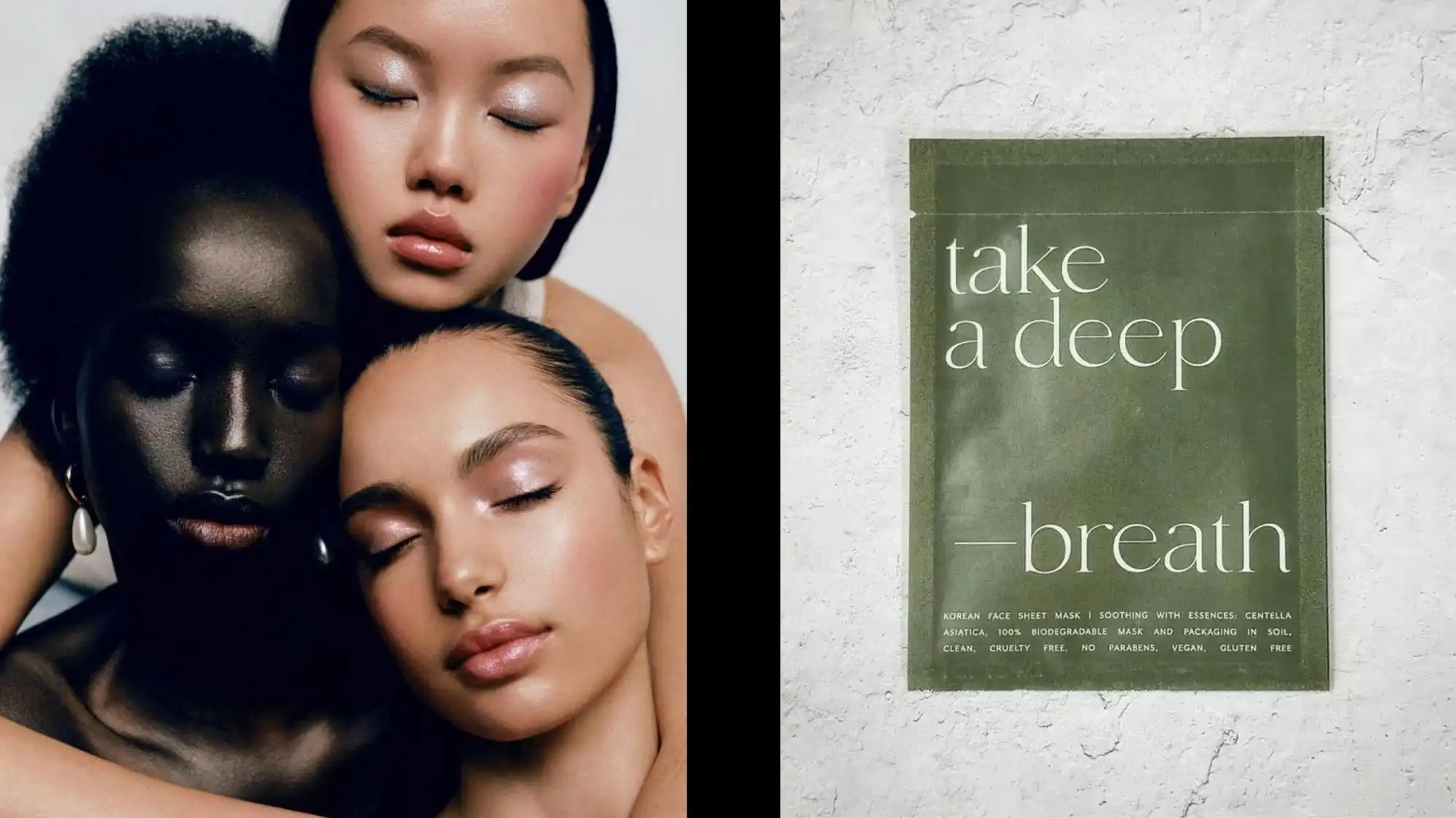
The challenge is not choosing one side of the spectrum, but understanding how these mindsets coexist. The same consumer may optimize during one phase of life and seek softness in another. According to C2 Fashion Studio’s trend analysis agency perspective, successful brands in 2026 will design flexible ecosystems—products, experiences, and narratives that allow movement between intensity and restoration without losing authenticity.
This requires a shift in how fashion approaches wellness:
- From products to experiences
- From static identities to adaptive systems
- From generic claims to emotionally intelligent design
A Structural Shift, Not a Passing Trend
The expansion of the wellness spectrum is not a short-term youth obsession. It reflects deeper societal tensions around burnout, performance pressure, mental health, and identity. For Gen Z, wellness is a tool for navigating uncertainty and reclaiming agency in an increasingly complex world.
For fashion and lifestyle brands, the implication is clear. Wellness is no longer a category—it is a cultural language. Those who understand its nuances, and design accordingly, will build stronger emotional connections and long-term relevance. Those who don’t will be filtered out by a generation that expects brands to meet them exactly where they are—physically, emotionally, and culturally.
Views


Trend Forecasting
C2 Trend Platform.
Your creative intelligence edge, decoding tomorrow’s visionary vibes into inspired actions for brands.
Your next Big Idea
starts here