

The Value Shift: How Resale, Vintage Fashion, and Cultural Intelligence Are Redefining Future Consumer Behavior
The global fashion system is undergoing a profound cultural recalibration. As prices in the primary market continue to rise, consumers are not simply spending less—they are spending differently. This shift marks the emergence of a powerful cultural macro trend that is reshaping fashion consumption: a move from volume to value, from immediacy to longevity, from ownership to intelligent circulation.
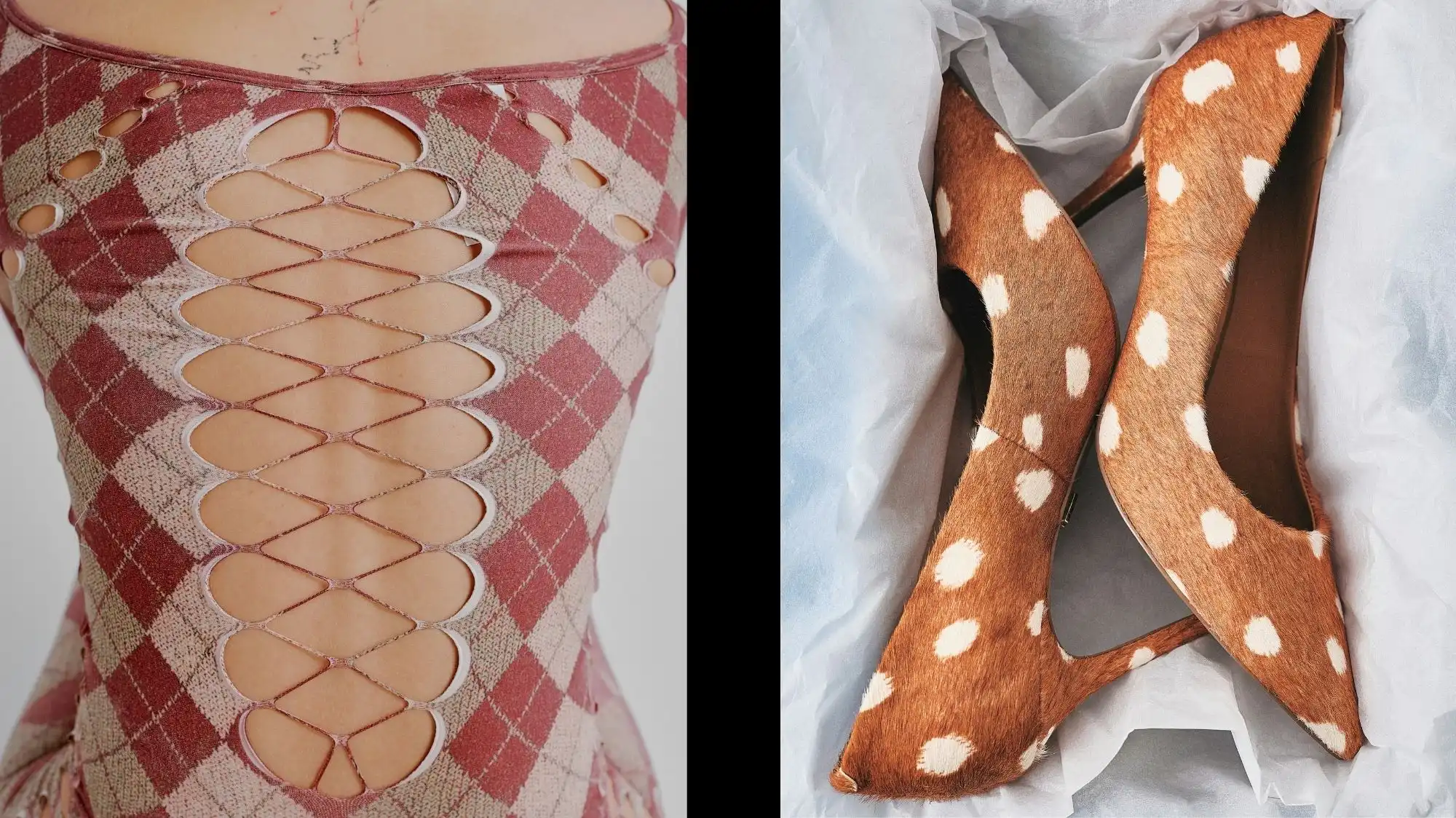
According to C2 Fashion Studio, resale and vintage fashion are no longer reactive behaviours tied only to inflation or sustainability narratives. They are now central expressions of a new lifestyle trend aligned with the Future Consumer 2026, whose purchasing decisions are guided by cultural intelligence, emotional durability, and economic awareness.
Resale as a Fashion Trend, Not a Compromise
Secondhand fashion has decisively crossed into the mainstream. What once carried stigma now carries status. Marketplaces have normalised resale, making access to secondhand and vintage fashion seamless, aspirational, and socially accepted. As a result, resale has become a fully legitimised fashion trend—one that sits comfortably alongside new collections rather than in opposition to them.
Consumers are not abandoning the primary market; they are reframing it. Resale allows them to engage with fashion more strategically, choosing when to buy new and when to invest in pieces with proven longevity. In this sense, resale reflects a broader trend forecasting signal: consumers are becoming editors of their wardrobes, not passive recipients of seasonal drops.
The Rise of Value Intelligence
From a fashion trend forecasting perspective, the key driver behind resale growth is not price sensitivity alone, but value intelligence. Today’s consumers are evaluating garments based on construction, material quality, brand heritage, and resale potential. Vintage fashion plays a crucial role here, offering tangible proof of durability and timeless design.
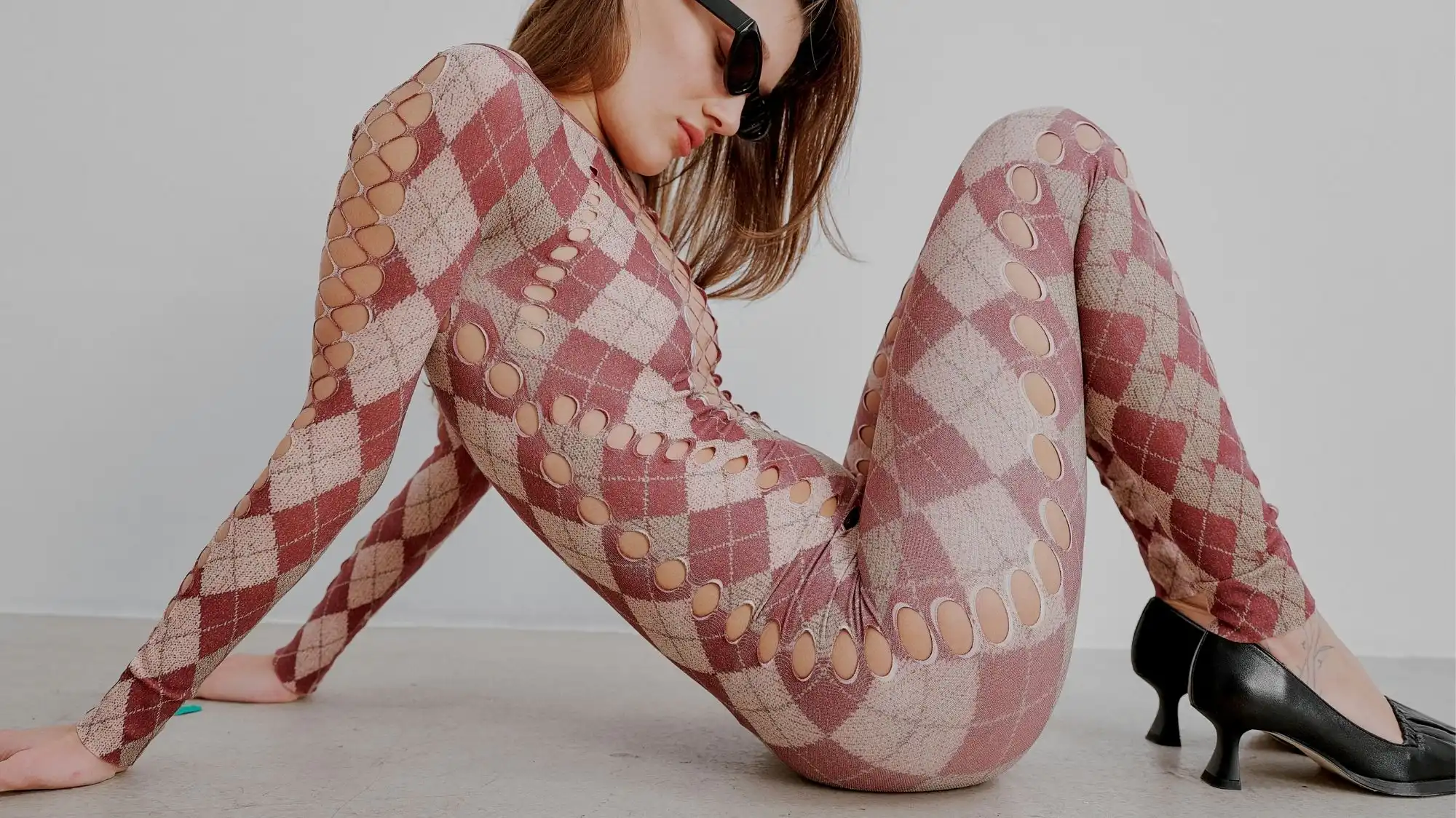
This behaviour aligns strongly with the Future Consumer 2026, who seeks reassurance in a volatile world. Investing in secondhand or vintage fashion is perceived as a lower-risk decision—financially, emotionally, and culturally. It allows consumers to express individuality while maintaining control over spending and identity.
A Market Outpacing First-Hand Fashion
The secondhand fashion and luxury market is forecast to grow two to three times faster than the first-hand market through 2027. Nearly 60% of global consumers say they are likely to shop resale by 2026, with figures exceeding 70% in China, where demand is driven by strong appetite for premium and luxury goods at accessible price points.
These numbers confirm a structural shift. Resale is no longer peripheral; it is becoming one of the most resilient growth engines within the fashion system. Technology, authentication tools, and logistics optimisation are accelerating this trajectory, making resale scalable and increasingly profitable.
Marketplaces and Brand-Led Resale: A Strategic Evolution
While resale marketplaces have played a critical role in democratising access, brands are now recognising the strategic importance of defining their own resale strategies. Brand-led resale programmes are expanding rapidly, signalling a desire to reclaim control over product narratives, pricing, and customer relationships.
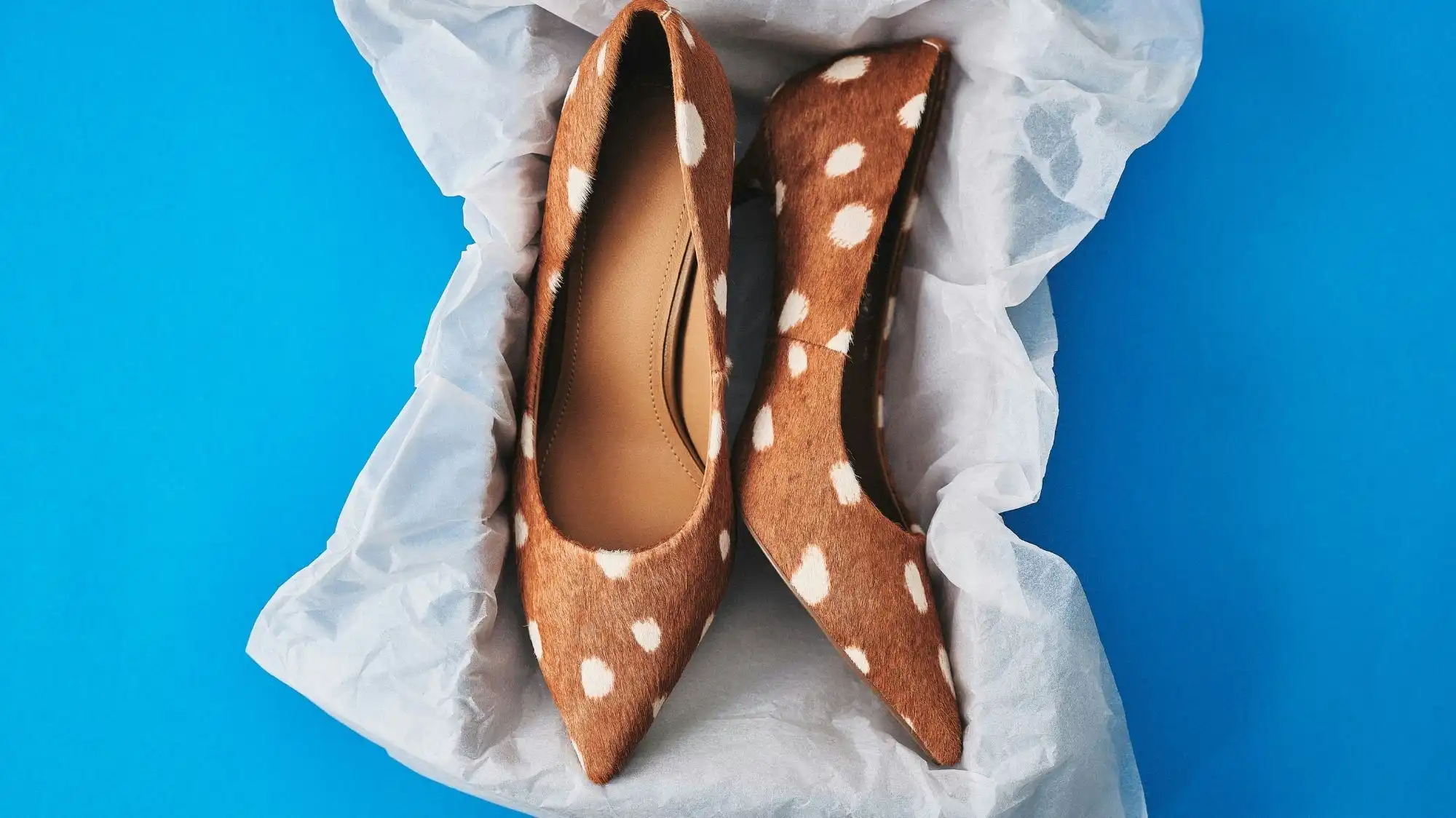
From a trend forecasting standpoint, this move is less about revenue alone and more about brand perception. Curated resale reinforces messages of quality, durability, and confidence—attributes that resonate deeply with the Future Consumer 2026. It also creates continuity between past, present, and future collections, strengthening brand coherence.
Fashion Categories That Anchor the Resale Economy
Not all fashion categories perform equally in resale. According to C2 Fashion Studio’s fashion trend analysis, the strongest resale performance is found in:
- Outerwear
- Bags and leather goods
- Structured tailoring
- Iconic vintage fashion pieces
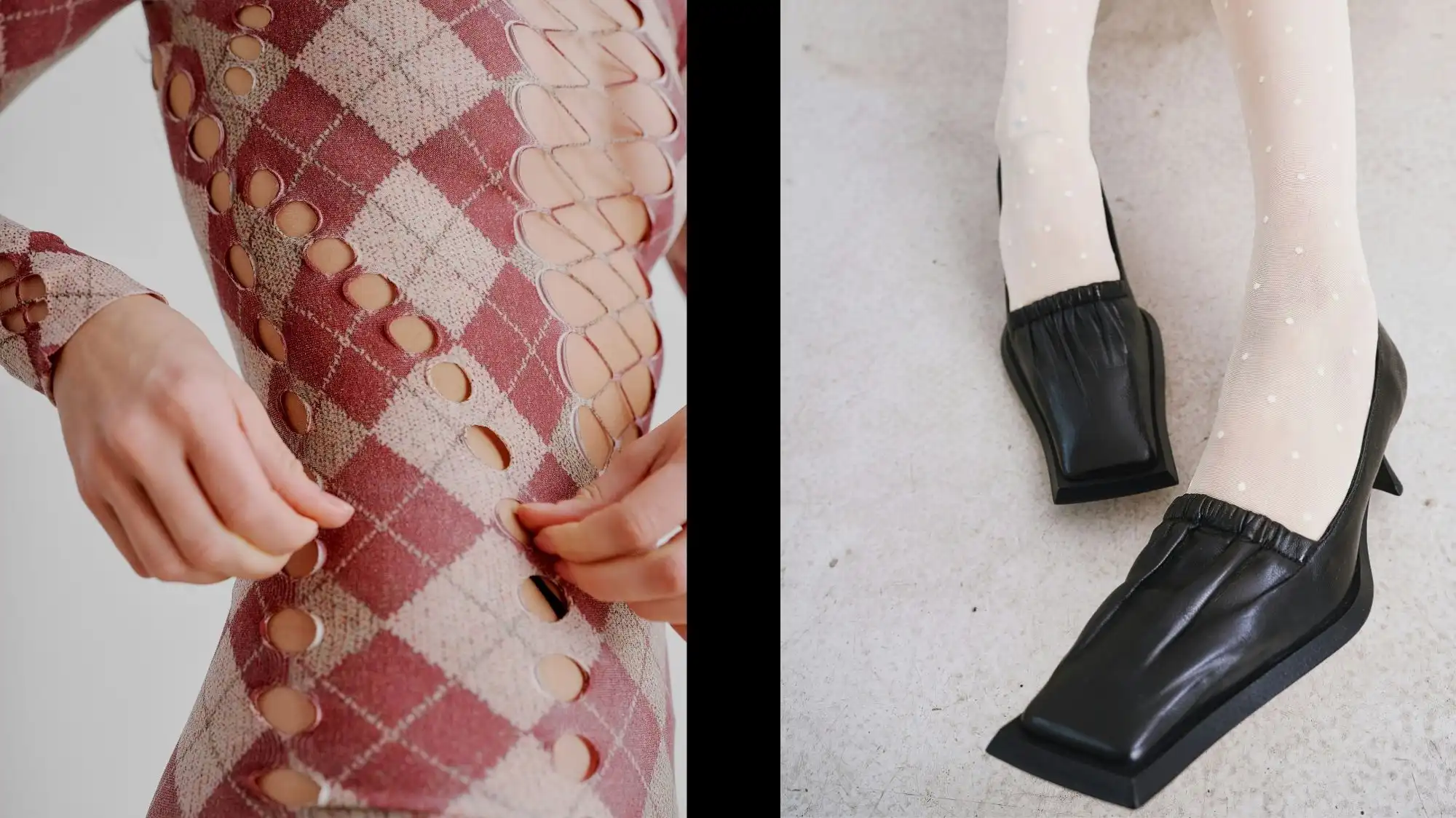
These categories align naturally with long-term value and brand DNA. They also act as gateways, introducing new customers to the brand ecosystem through a lower entry point while reinforcing trust in the primary offering.
Resale as a Brand Halo Effect
One of the most underestimated dimensions of resale is its halo effect on new collections. By validating the longevity of products, resale strengthens perceptions of craftsmanship and relevance. It also creates loyalty loops, keeping consumers within the brand’s universe across multiple life cycles of a product.
In cultural terms, resale signals confidence. A brand willing to resell its own products is implicitly stating that its creations are designed to endure—not just materially, but culturally.
Vintage Fashion and the Cultural Imagination
Vintage fashion occupies a unique position within this macro trend. It satisfies the Future Consumer’s desire for authenticity, uniqueness, and narrative depth. In a landscape saturated with sameness, vintage offers distinction without excess.
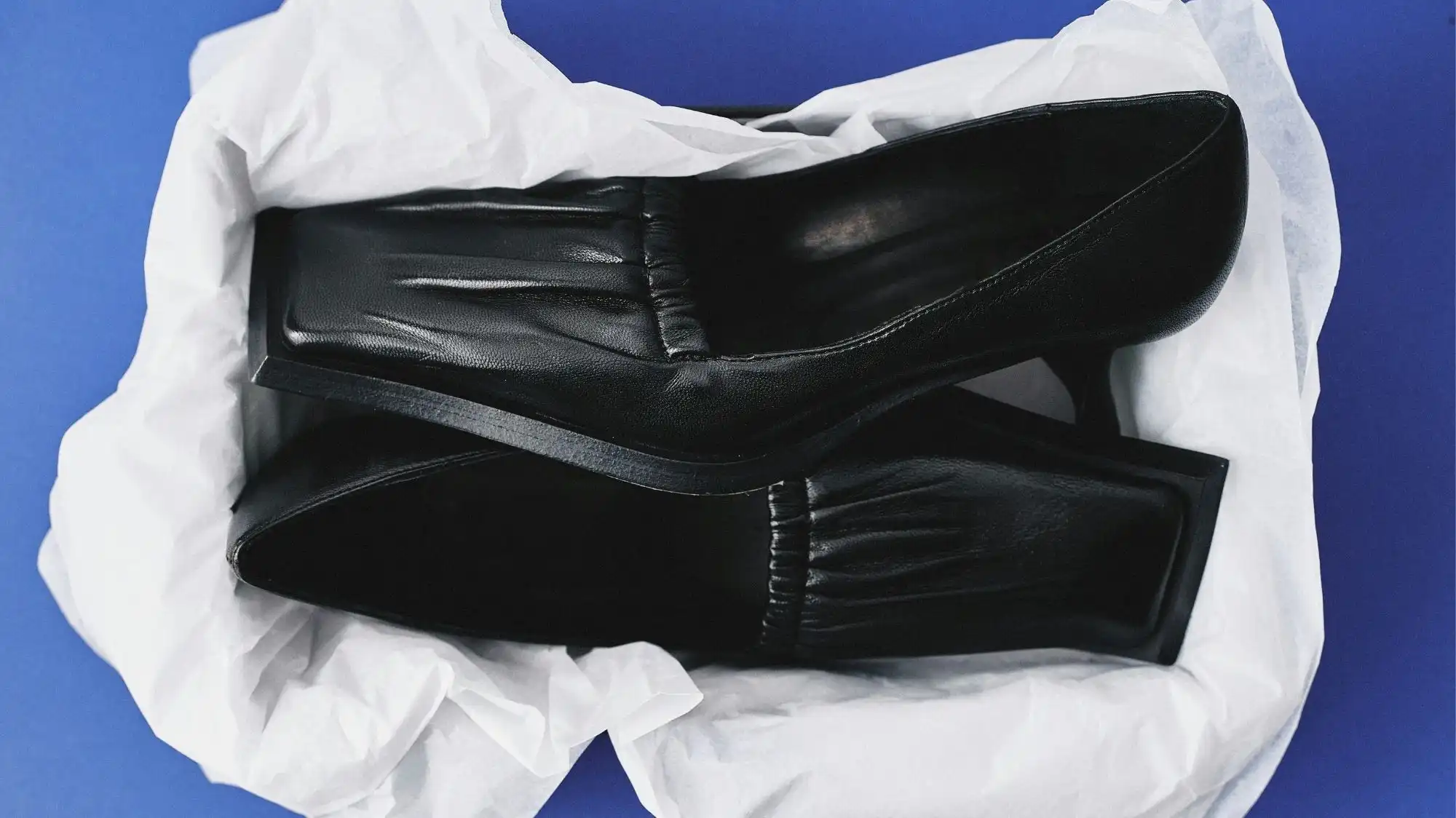
As observed by C2 Fashion Studio, vintage is no longer about nostalgia. It is about cultural literacy—the ability to recognise, reinterpret, and recontextualise fashion history in a contemporary way.
“Resale is not a step backward. It is a cultural upgrade—proof that the future of fashion belongs to what can last, circulate, and remain meaningful over time.”
— Cristina Capucci
The Strategic Outlook
This Value Shift is not a passing phase. It is a foundational change in future consumer behavior. Brands that integrate resale and vintage fashion into their long-term strategies will be better positioned to build relevance, resilience, and trust.
For those shaping the next era of fashion trends and lifestyle trends, resale is no longer optional. It is a cultural signal—and a strategic imperative—pointing directly toward the Future Consumer 2026 and beyond.
Views


Trend Forecasting Intelligence
C2 Trend Platform.
Structured trend forecasting is designed to eliminate guesswork, strategic creative direction and align collections with future demand.
Trend Forecasting Intelligence