

Fashion Trend Forecasting 2028: The Rise of Asia’s T-Wave
The Rise of Asia as the World’s New Trend Laboratory
For over two decades, Western fashion capitals dictated the direction of global style. Paris, Milan, London and New York established the aesthetic codes that brands translated into products worldwide. That model is rapidly evolving.
According to C2 Fashion Studio Trend Forecasting, Spring Summer 2028 marks the acceleration of what we define as T-Wave: the transformation of Asia from a manufacturing powerhouse into the world’s most influential laboratory for trend experimentation, consumer innovation, retail evolution and cultural storytelling.
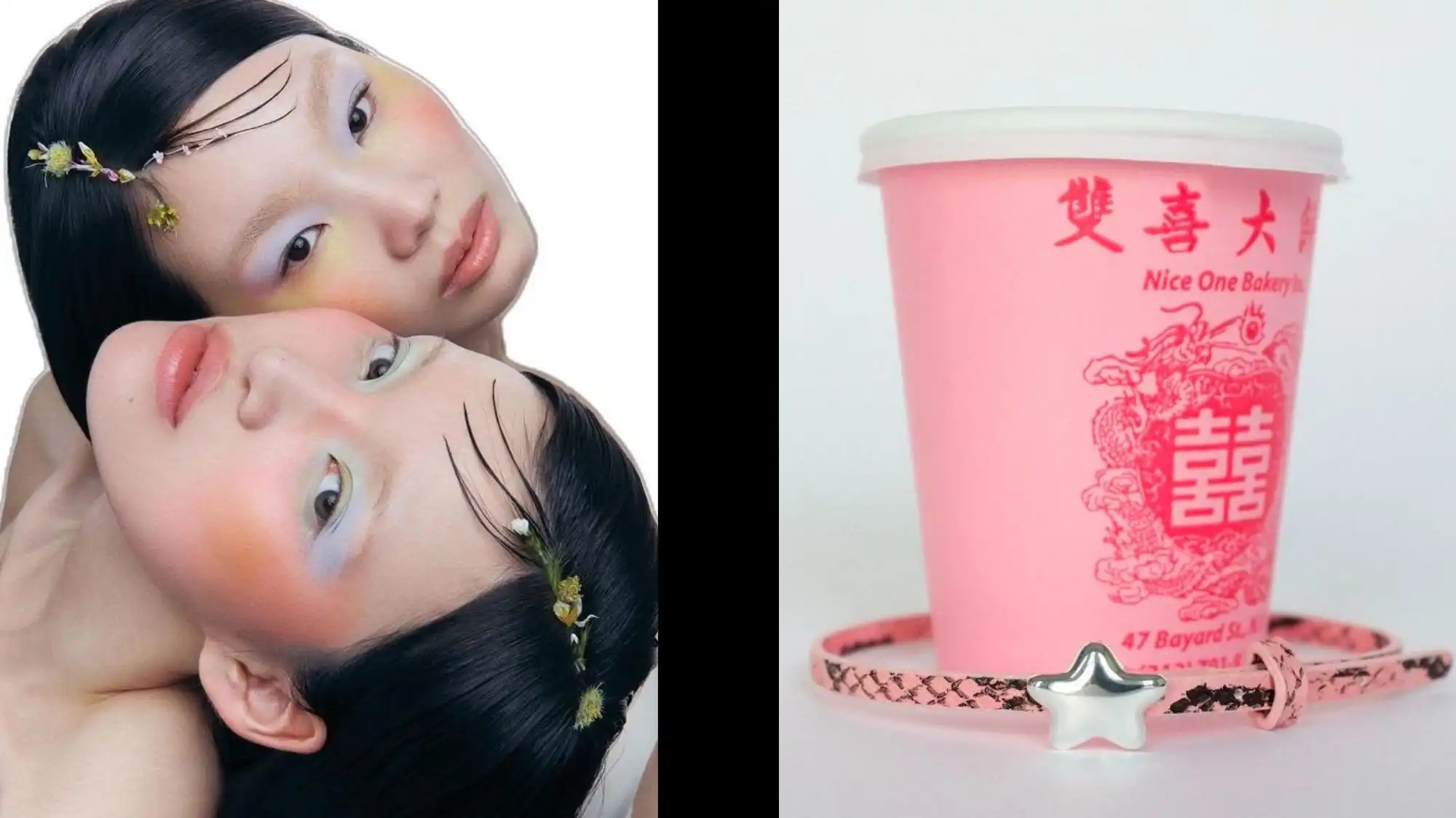
Unlike previous waves driven by exports alone—such as Japanese streetwear in the 1990s or the Korean Hallyu movement during the 2010s—the T-Wave represents an ecosystem where entertainment, technology, commerce, fashion, beauty and social media operate simultaneously.
Today, trends are no longer simply created. They are tested, refined, commercialized and amplified at extraordinary speed through highly integrated digital ecosystems.
For brands involved in Fashion Trend Forecasting, Trend Intelligence and Consumer Behavior analysis, understanding this shift is becoming strategically essential.
From Hallyu to T-Wave — A New Generation of Cultural Influence
The Korean Wave (Hallyu) fundamentally changed global perceptions of Asian creativity. K-pop, K-dramas, K-beauty and K-fashion demonstrated that culture could become one of the strongest forms of economic and geopolitical soft power.
However, the landscape emerging in 2028 extends far beyond South Korea.
China has become a dominant force in digital consumer culture through platforms such as Douyin, Xiaohongshu, Taobao Live and WeChat ecosystems. Japan continues influencing design language through craftsmanship and niche aesthetics. Southeast Asia increasingly contributes new creators, communities and shopping behaviors.
Rather than one dominant country, Asia is evolving into an interconnected innovation network.
Consumers no longer separate fashion from entertainment.
Shopping has become content. Content has become commerce. Commerce has become culture.
Chinamaxxing Signals a New Cultural Curiosity
One of the most fascinating cultural phenomena emerging online is Chinamaxxing.
Originally born as an internet meme, it has evolved into a broader fascination with contemporary Chinese lifestyle, technology, wellness, architecture, design, food and fashion among younger Western audiences. Recent analyses describe it as part irony, part admiration and part genuine cultural discovery, reflecting China’s growing soft power among Gen Z.
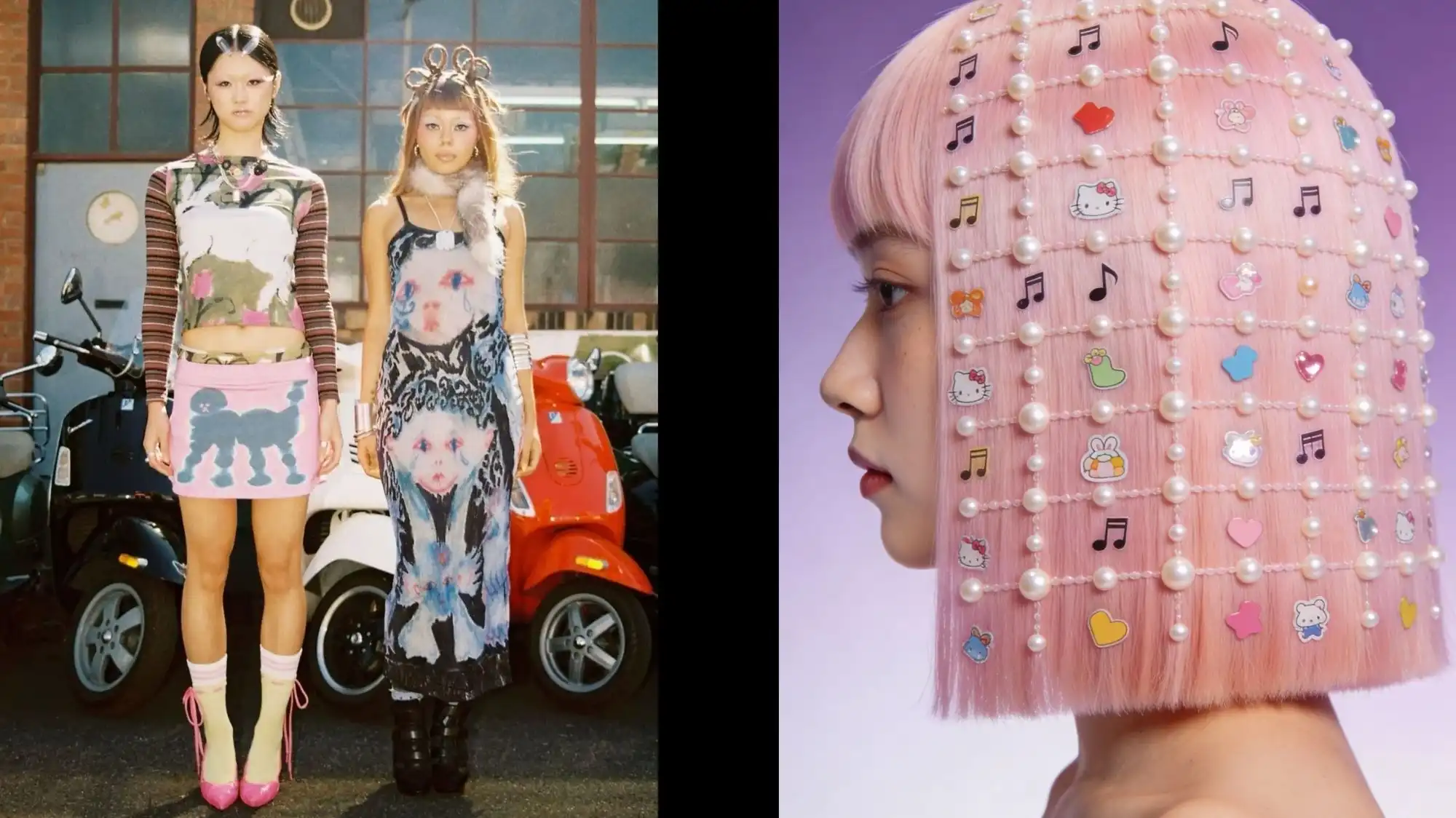
Unlike previous fascination with traditional Chinese symbolism, today’s consumers admire:
- Futuristic cities
- Seamless digital ecosystems
- Advanced retail experiences
- Contemporary design
- Chinese luxury brands
- Wellness rituals
- Cafè culture
- Mobile-first lifestyles
For fashion brands, this represents a profound shift.
Consumers are increasingly inspired by the everyday aesthetics of Shanghai, Shenzhen, Hangzhou and Chengdu rather than exclusively looking toward Paris or New York.
Live Shopping Is Becoming Entertainment
Perhaps no innovation illustrates Asia’s influence more clearly than live commerce.
In China, livestream shopping has evolved far beyond product demonstrations.
It combines storytelling, celebrity influence, limited-time offers, real-time interaction, gaming mechanics and entertainment into a single immersive retail experience.
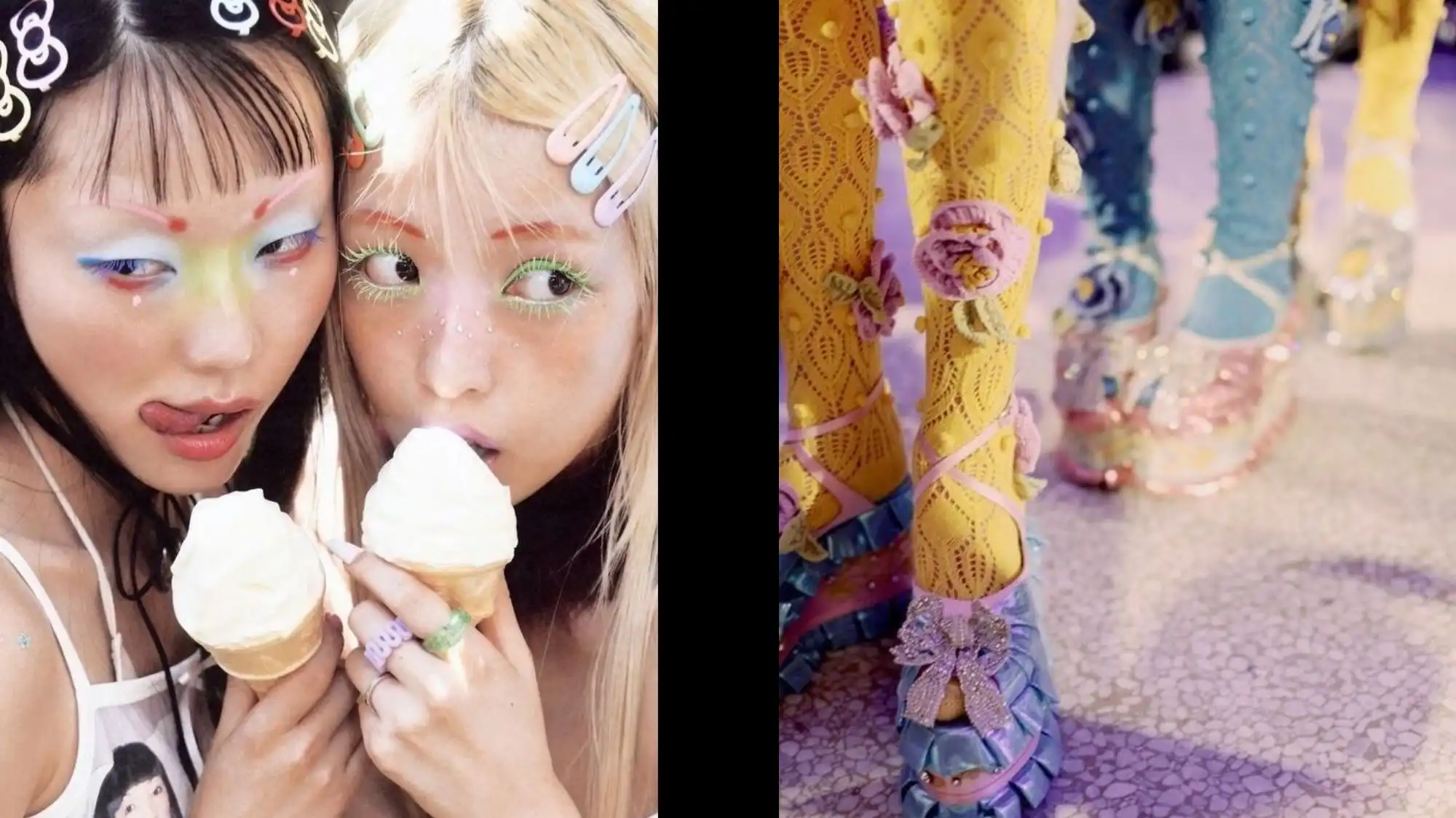
The purchasing journey becomes emotional rather than transactional.
Consumers don’t simply buy products. They participate in experiences.
Western brands have experimented with livestream commerce for years, yet Asian platforms continue to demonstrate far higher engagement rates because content, commerce and community exist inside the same digital ecosystem. Luxury brands operating in China are increasingly integrating AI-driven personalization and digitally connected retail experiences as standard practice.
According to C2 Fashion Studio Trend Forecasting, experiential commerce will become one of the defining characteristics of retail throughout Spring Summer 2028.
Micro-Dramas Are Creating the New Storytelling Economy
Another rapidly expanding phenomenon is the rise of micro-dramas.
Originally developed in China, these ultra-short vertical video series typically consist of episodes lasting only one to three minutes.
Their growth has been extraordinary.
Industry estimates indicate that China’s micro-drama market expanded from roughly US$500 million in 2021 to more than US$7 billion by 2024, with global expansion accelerating through dedicated platforms and international audiences.
Unlike traditional advertising, micro-dramas create emotional attachment before introducing products.
Fashion becomes part of the narrative rather than interruption.
Luxury, beauty and lifestyle brands are increasingly collaborating with creators to integrate products naturally into serialized storytelling.
This approach reflects changing attention spans while strengthening emotional engagement.
K-Fashion Evolves Beyond Trends
K-fashion has entered a new phase.
Instead of merely following K-pop celebrities, consumers increasingly adopt complete aesthetic identities inspired by Korean culture.
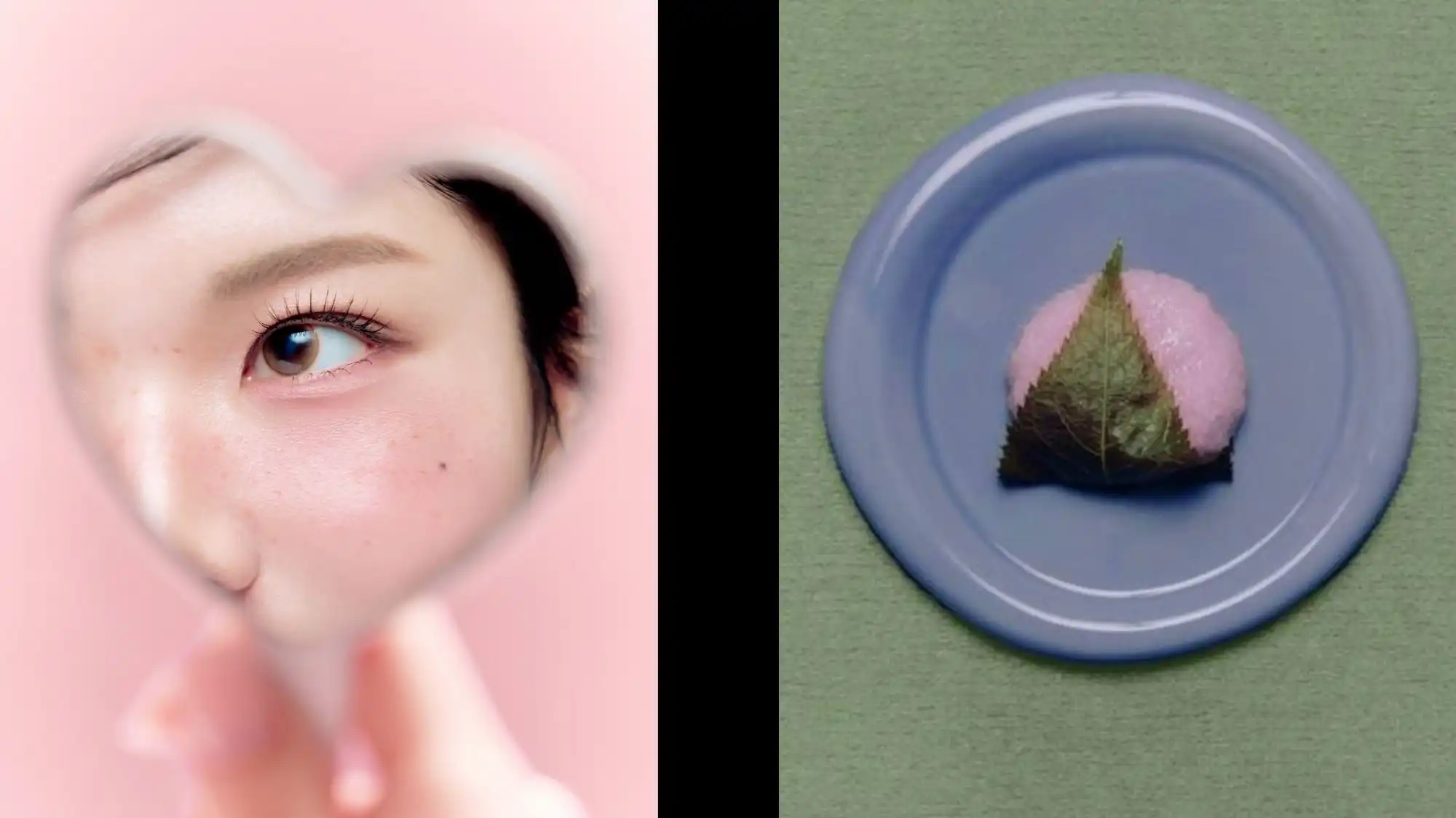
Silhouettes, beauty routines, retail environments, cafés, packaging, typography and visual communication work together to build coherent lifestyle ecosystems.
The emphasis is shifting from seasonal trends toward complete emotional worlds.
This ecosystem thinking increasingly influences brands worldwide.
Consumer Behavior Is Becoming “Experience-First”
One of the strongest signals emerging from Asia is a change in purchasing psychology.
Consumers increasingly evaluate brands according to:
- Emotional participation
- Community belonging
- Entertainment value
- Aesthetic identity
- Shareability
- Digital immersion
- Cultural relevance
Ownership becomes secondary. Participation becomes primary.
This explains why consumers enthusiastically embrace creator brands, collectible toys, immersive retail spaces and highly visual shopping experiences.
Recent research also shows that Asian Gen Z consumers increasingly prioritize authenticity, personal aesthetics and founder-driven identities over traditional luxury status, reshaping how fashion brands build relevance.
According to C2 Fashion Studio Trend Forecasting
At C2 Fashion Studio, we view the T-Wave as far more than a regional phenomenon.
It represents one of the most important macro shifts shaping Fashion Trend Forecasting, Trend Intelligence, Consumer Behavior, Retail Innovation, Material Intelligence and Creative Strategy for Spring Summer 2028.
Asia is no longer simply producing products.
It is producing new ways of consuming, communicating, shopping, entertaining and expressing identity.
Brands that continue observing only Western fashion capitals risk overlooking the ecosystems where tomorrow’s consumer expectations are already being formed.
Understanding these emerging cultural dynamics enables companies to anticipate future product opportunities, develop more relevant collections and create experiences that resonate with increasingly connected global consumers.
The future of fashion will not be defined by geography alone. It will be shaped by the ecosystems where culture, technology, commerce and creativity converge—and today, Asia stands at the center of that transformation.
Views


Trend Forecasting Intelligence
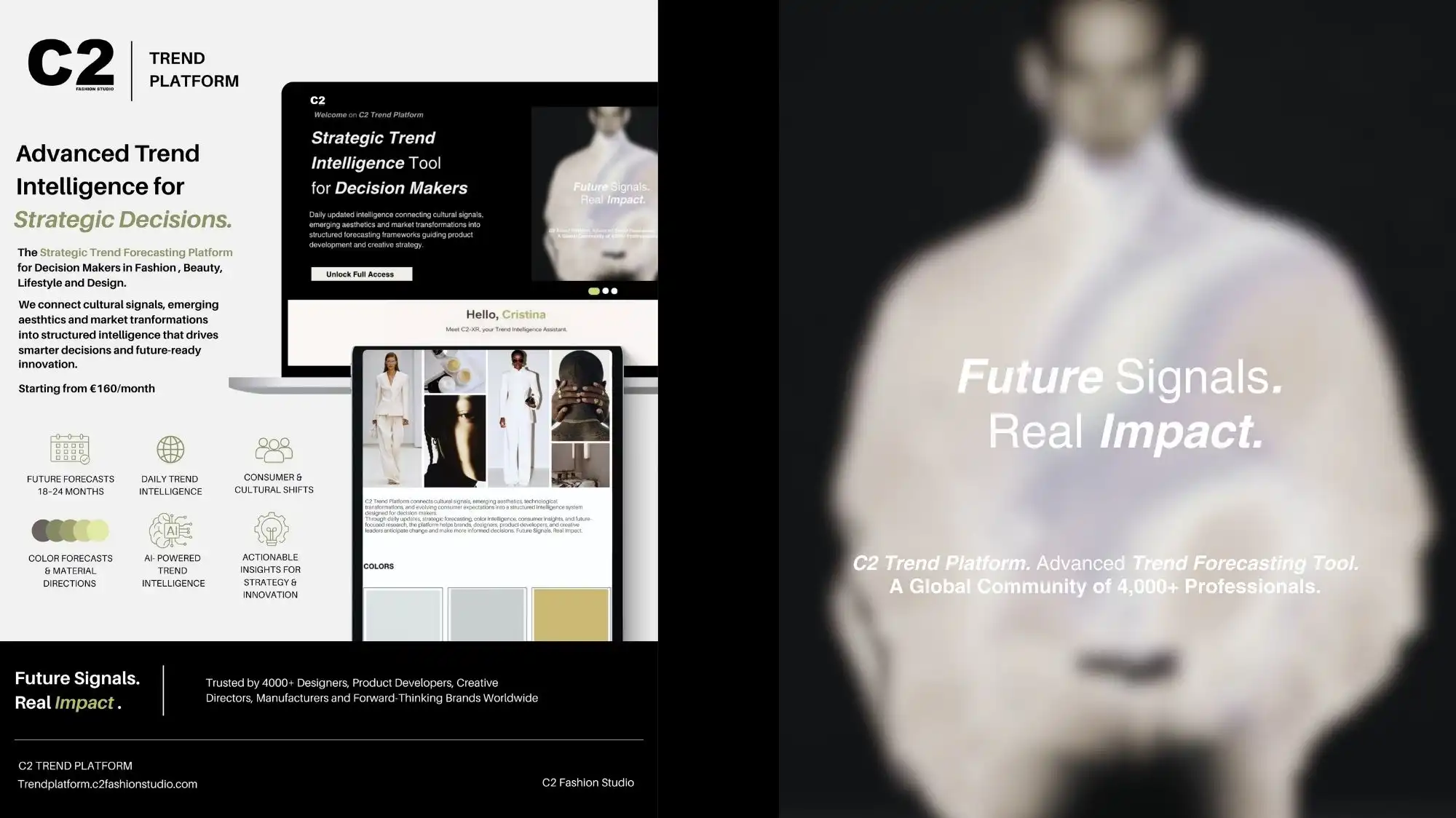
C2 Trend Platform.
Structured trend forecasting for clarity, product direction, and collections aligned with future demand.
Trend Forecasting Intelligence